
- Home
- Products
- Car Detailing Products
- Car Care Chemicals
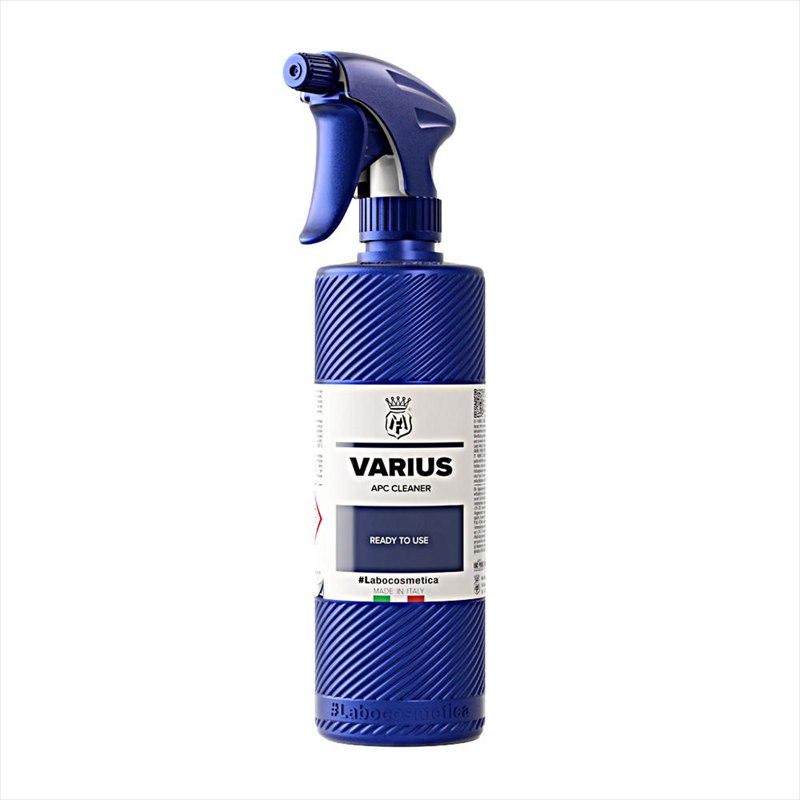
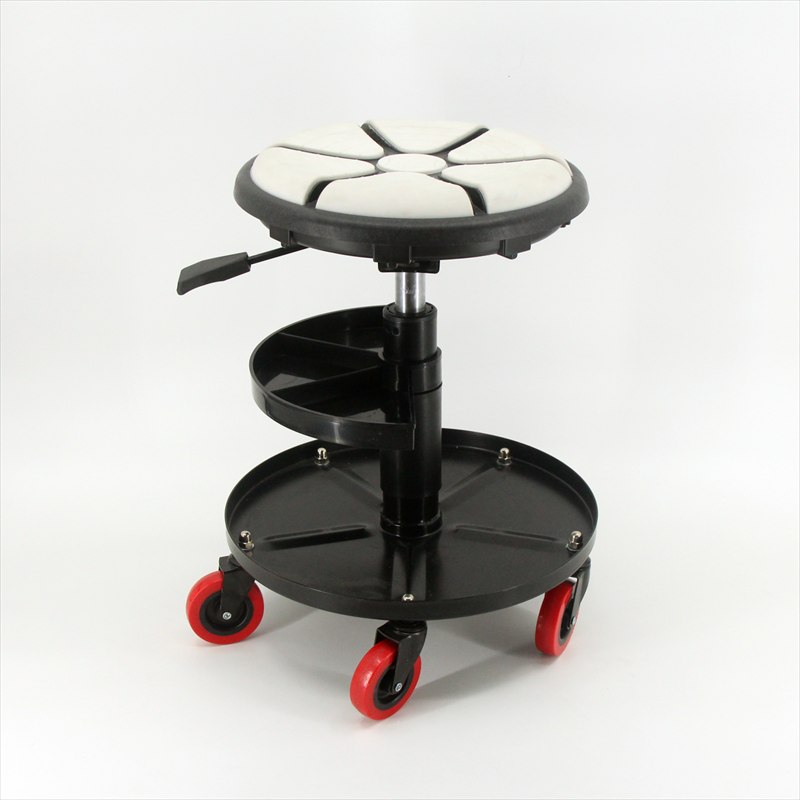
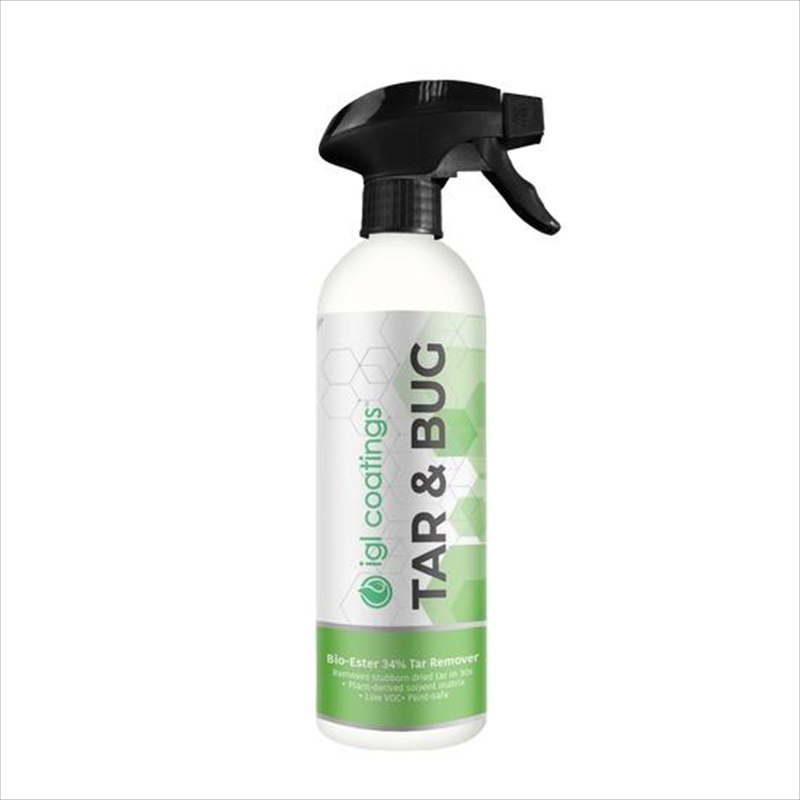
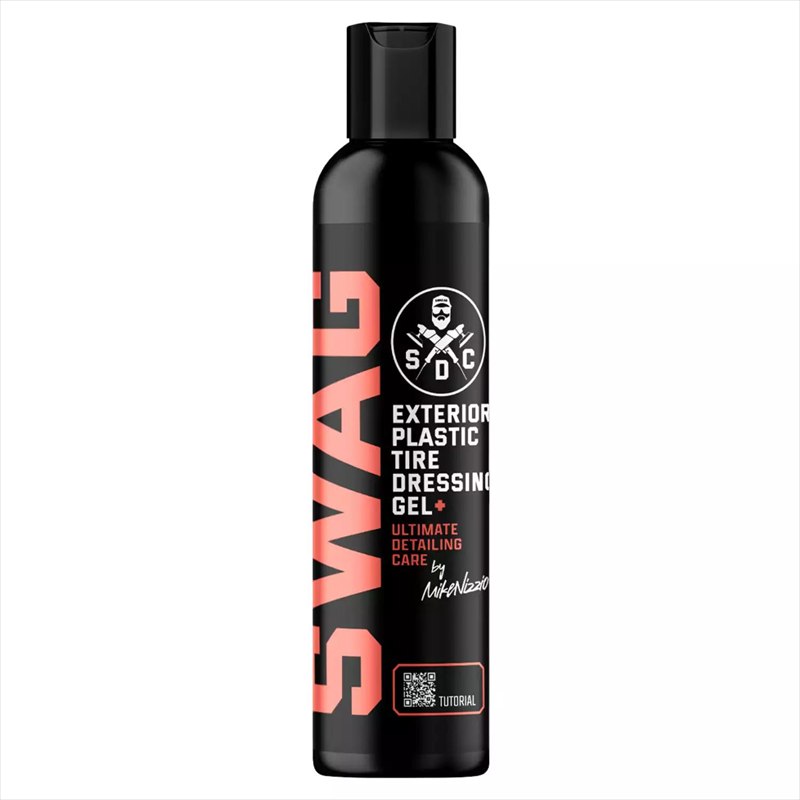
Car Care Chemicals
Product Details
Car Care Chemicals Product Overview
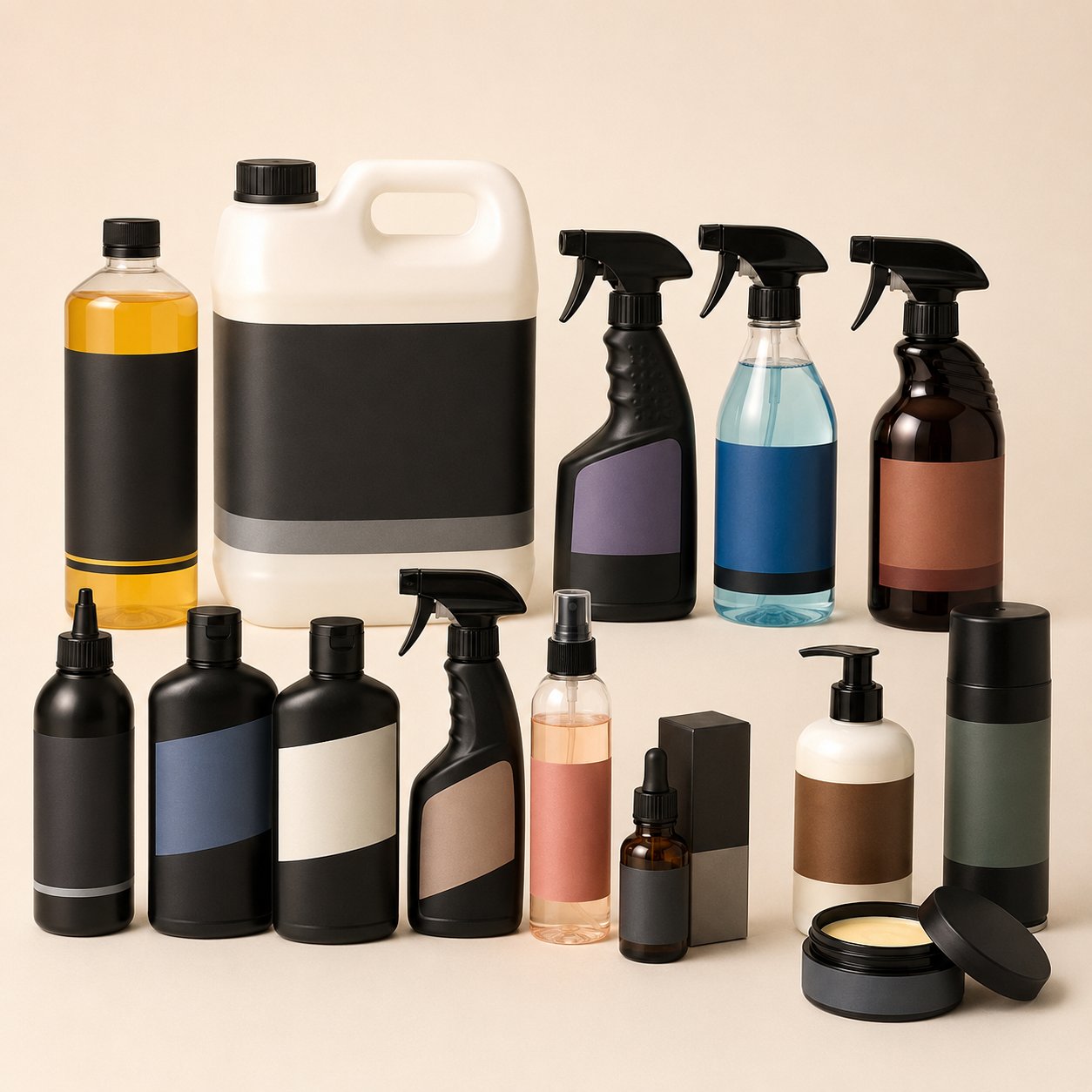
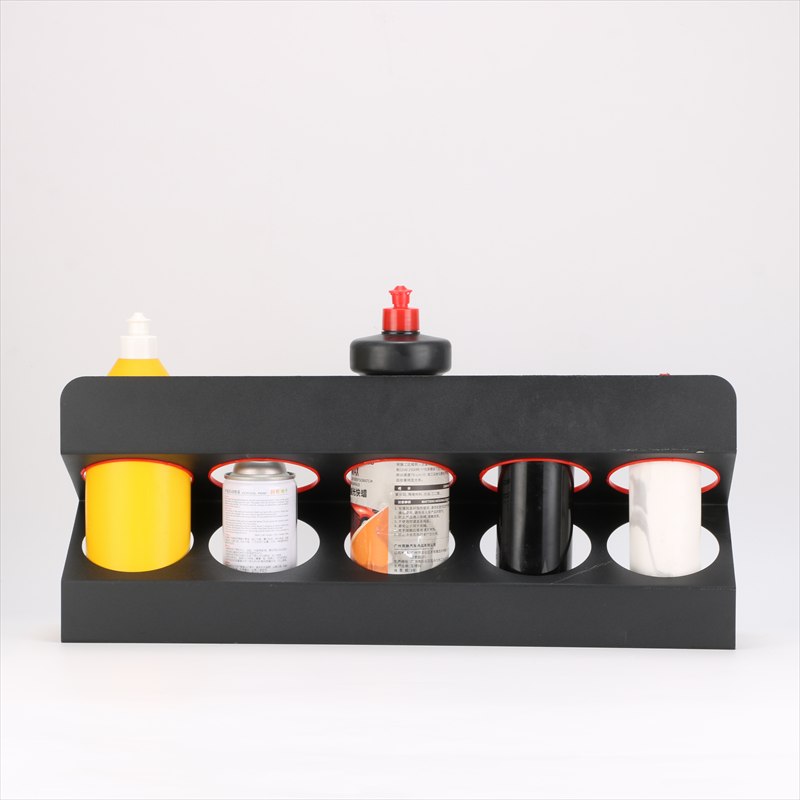
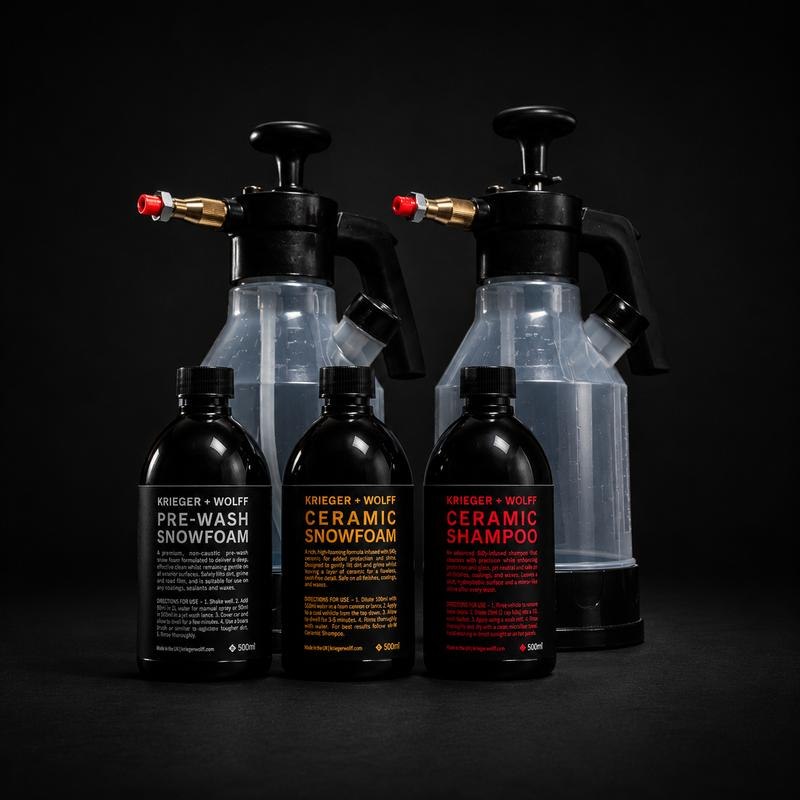
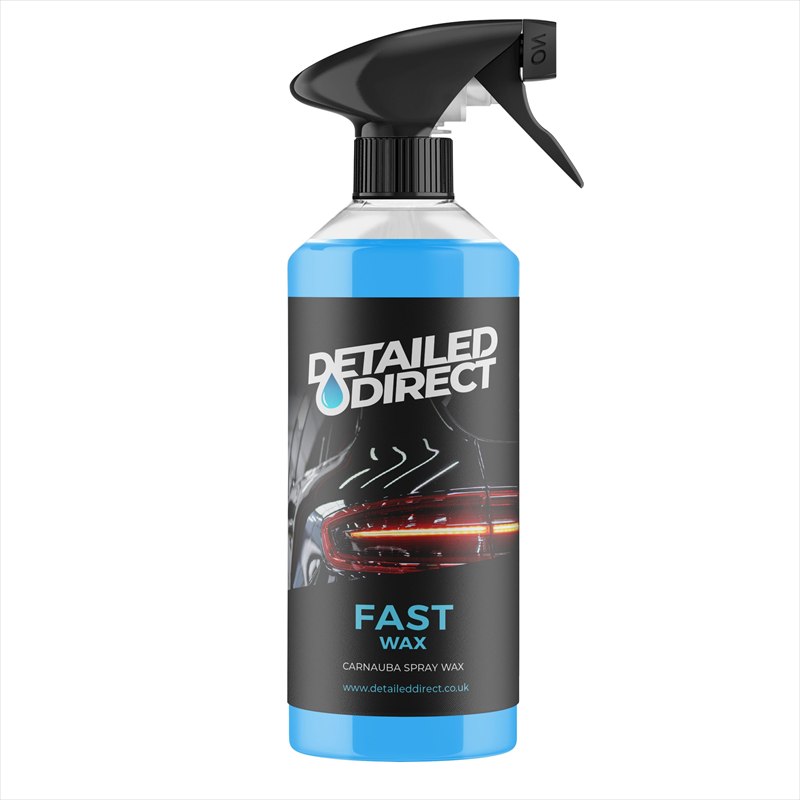
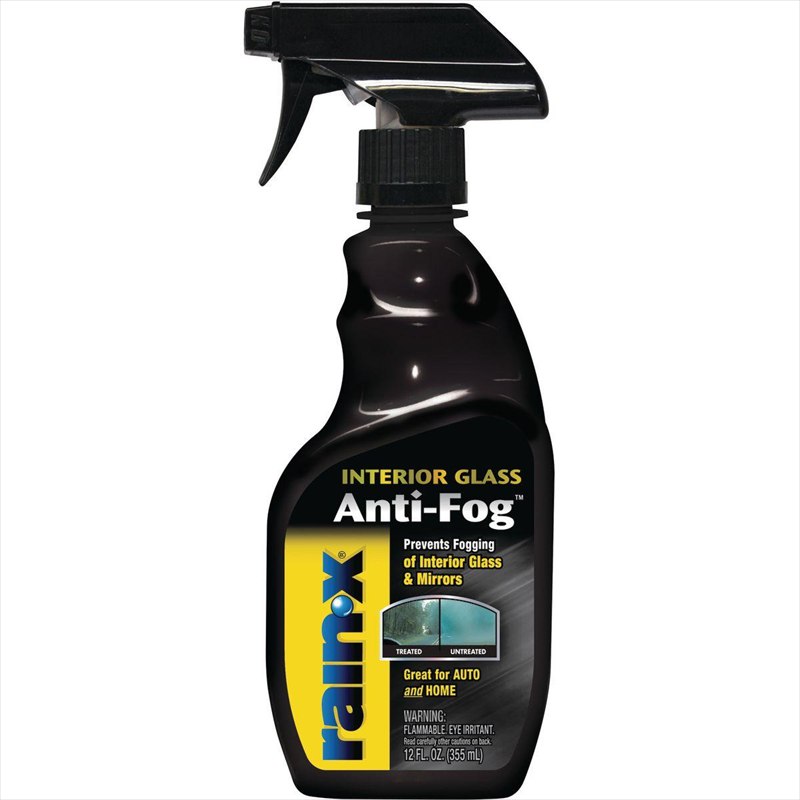
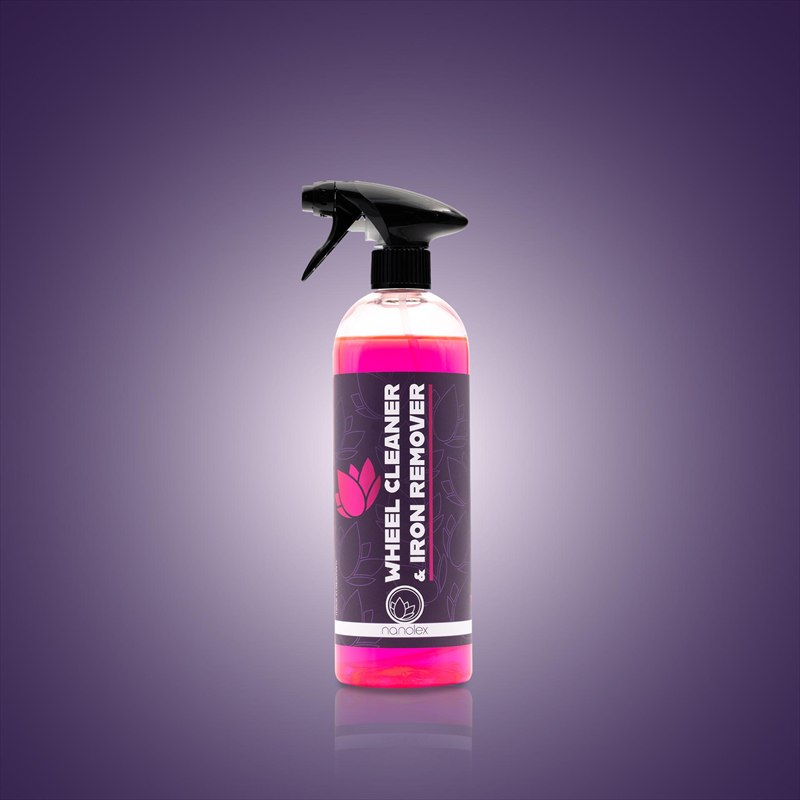
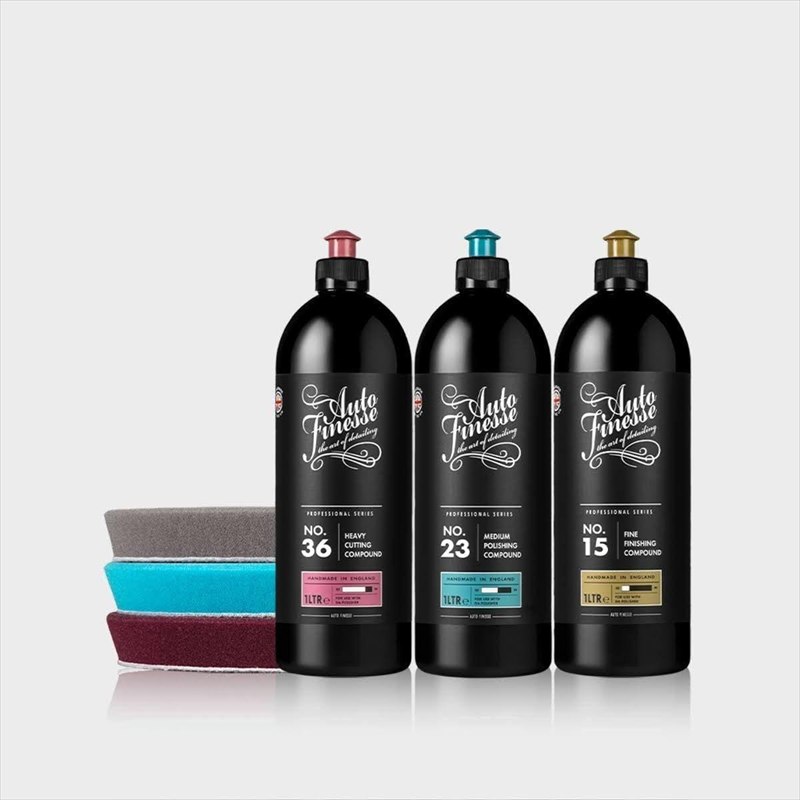
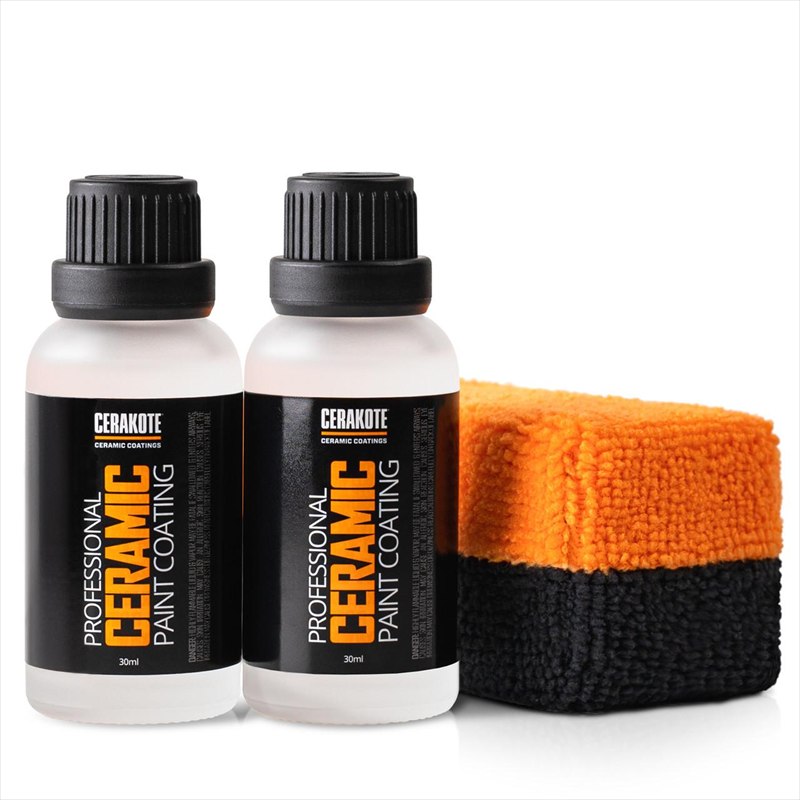
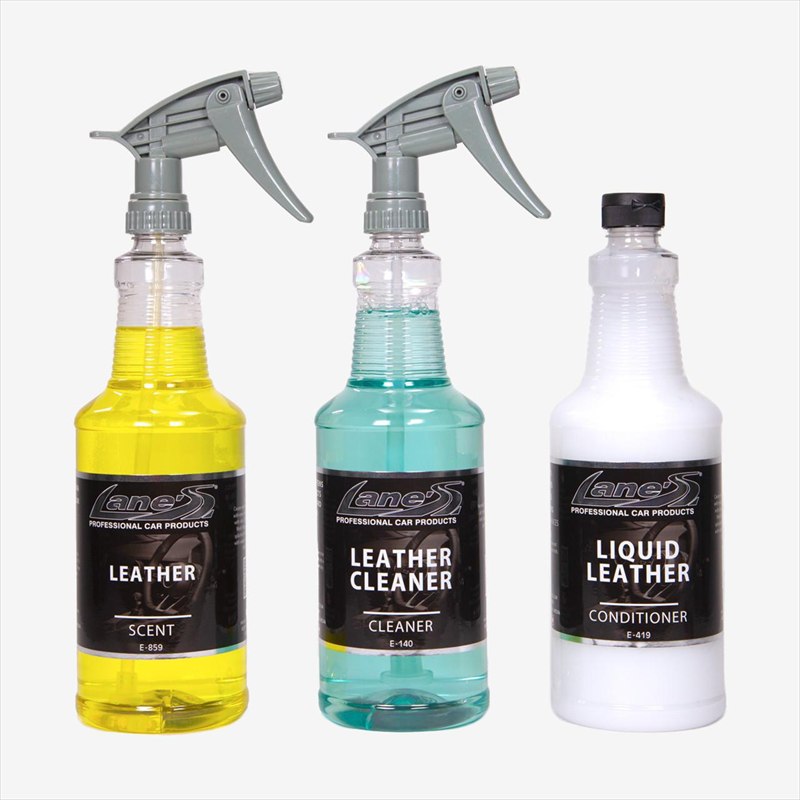
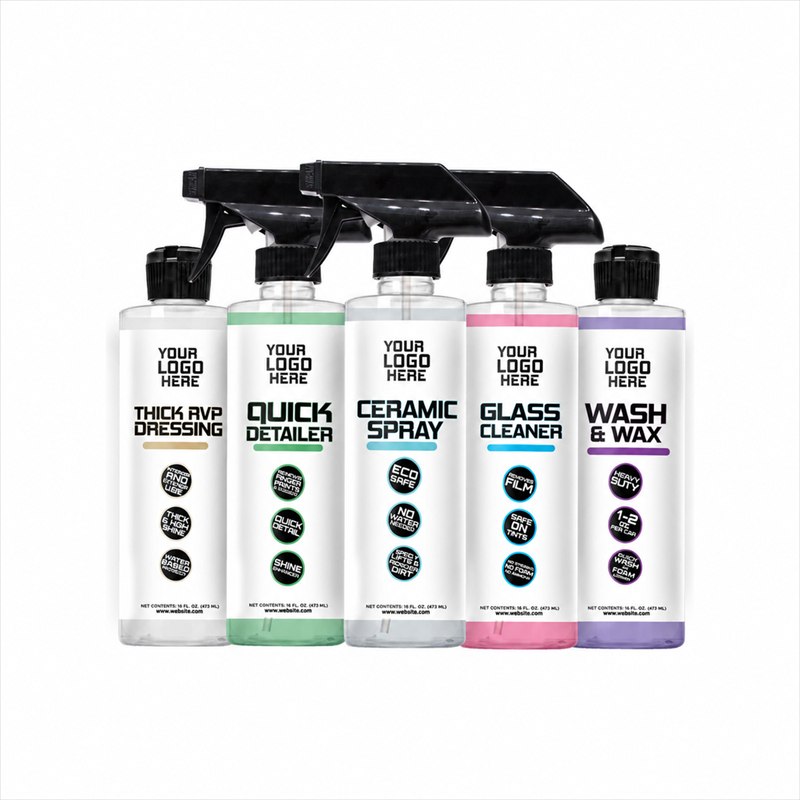
Car care chemicals include shampoos, pre-wash products, all-purpose cleaners, wheel cleaners, glass cleaners, dressings, compounds, waxes, sealants and coatings. Products with similar names can differ significantly in formulation, concentration, surface compatibility, application method and transport classification.
JanetSourcing helps detailing brands, distributors and car wash operators compare manufacturers, coordinate samples and develop private-label products. The sourcing process can cover formula or approved reference, performance targets, dilution, packaging, labels, safety information, quality parameters and destination-market requirements.
What Problems Can a Well-Defined Chemical Range Solve?
Product selection should begin with the contamination, target surface, application method and user. pH or fragrance alone is not a reliable measure of strength, safety or commercial suitability.
Poor Cleaning at the Recommended Dilution
Concentrates should be evaluated at the intended dilution on a defined surface and contamination. Comparing bottle price alone can hide a higher cost per prepared liter or per vehicle.
Surface Damage or Unwanted Residue
Acidic, neutral and alkaline products can all be unsuitable for particular materials or coatings. Compatibility depends on the complete formulation, concentration, contact time, temperature and rinse method.
Formula Separation or Packaging Failure
Color change, sediment, viscosity drift, bottle distortion, trigger failure or label lifting may appear over time or after temperature exposure. Formula stability and packaging interaction should be evaluated together.
Unsupported Performance Claims
Claims such as scratch-free, safe for all surfaces or fixed protection periods require evidence and defined conditions. Product copy and labels should match available test support.
Shipping Delays or Reclassification
Transport requirements depend on ingredients, physical properties, hazard classification, packaging and route. An SDS alone does not prove that a product can ship as non-dangerous goods.
How to Choose Car Care Chemicals
Select the category and application first, then confirm formula, concentration, packaging and documentation. Test samples using consistent conditions so product differences are meaningful.
Shampoo and Pre-Wash Products
Compare cleaning behavior, lubrication where relevant, foam characteristics, equipment compatibility and dilution. Foam appearance alone does not determine cleaning performance.
APC and Degreasing Products
Review intended surfaces, concentration, residue, contact time and handling precautions. A stronger alkaline value does not automatically mean better cleaning or acceptable surface safety.
Wheel and Iron-Removal Products
Check compatibility with the intended wheel finishes, metals, coatings and application method. Acidic or reactive products require clear instructions and packaging review.
Glass and Interior Cleaners
Evaluate streaking, residue, finish and compatibility with plastics, displays, fabrics, leather or coatings as applicable. One interior cleaner should not be assumed safe for every material.
Compounds, Waxes, Sealants and Coatings
Assess cutting or finishing behavior, application window, cure requirements, finish and supported durability claims using defined methods and surfaces.
Concentrated and Ready-to-Use Formulas
Concentrates reduce packaging volume per prepared unit but require accurate dilution and clear instructions. RTU products offer convenience but may increase packaging and freight per usable liter.
Car Care Chemical Specifications and Private-Label Options
The exact specification depends on the product. Parameters and tolerances should be agreed with the manufacturer for the approved formula or reference sample.
| Item | Options or Confirmation Points |
|---|---|
| Product and application | Category, target contamination, surface, application method and user group |
| Formula format | Ready-to-use or concentrate; liquid, gel, cream, paste or another confirmed form |
| Chemical parameters | pH at a stated concentration, appearance, color, odor, viscosity or other relevant controls |
| Dilution and use | Ratio convention, recommended dosage, contact time, temperature and rinse instructions |
| Performance | Defined cleaning, correction, finish or protection evaluation with agreed conditions |
| Packaging system | Bottle or can material, closure, trigger or pump, seal, label adhesive and carton |
| Stability and shelf life | Supported period, storage conditions, batch identification and packaging integrity |
| Documents | SDS, TDS, specifications, COA where applicable, test reports and transport classification |
| Private label | Formula selection or development, fragrance, color, bottle, label, carton and instructions |
| Quotation details | Products, applications, formula format, pack size, quantity, branding and destination |
Private-Label Chemical Development and Quality Control
Chemical projects require more than a logo and bottle. Formula approval, packaging compatibility, label content, documentation and shipping assessment should be coordinated before production.
Phase 1 Product Brief
Action: Define product categories, target surfaces, expected performance, concentration, price level, packaging and destination market.
Quality focus: Identify restricted claims, handling needs and applicable market information early.
Phase 2 Manufacturer Comparison
Action: Compare manufacturers by formulation capability, quality system, development support, available documents and packaging experience.
Quality focus: Request evidence for the exact product rather than relying on general factory certifications or unrelated test reports.
Phase 3 Sample and Performance Evaluation
Action: Arrange samples for side-by-side testing under consistent contamination, surface, dilution, application and contact conditions.
Quality focus: Record cleaning or finish results, residue, odor, handling and any visible surface interaction.
Phase 4 Formula and Packaging Approval
Action: Confirm the approved formula or reference sample, quality parameters, bottle, closure, label, carton and instructions.
Quality focus: Review packaging compatibility, fill level, leak risk and label durability with the actual formula.
Phase 5 Documentation and Production
Action: Collect relevant SDS, TDS, specifications, transport information and other agreed documents before bulk shipment.
Quality focus: Coordinate batch identification and selected quality checks against the approved requirements.
Phase 6 Inspection and Shipping Assessment
Action: Arrange pre-shipment checks and confirm the transport classification and carrier requirements.
Quality focus: Check appearance, fill, packaging, labels, batch information, carton marks and agreed documents; handle dangerous-goods requirements where applicable.
Why Source Car Care Chemicals with JanetSourcing?
Formula Comparison Based on Intended Use
We help buyers compare samples at defined dilution and application conditions instead of choosing by fragrance, pH or catalog claims alone.
Packaging and Label Coordination
Bottle, closure, sprayer, seal, label adhesive and carton can be reviewed as one packaging system for the selected formula.
Document Collection Support
JanetSourcing can coordinate collection and review of available SDS, TDS, specifications, COA where applicable, test reports and transport information.
Range and Shipment Coordination
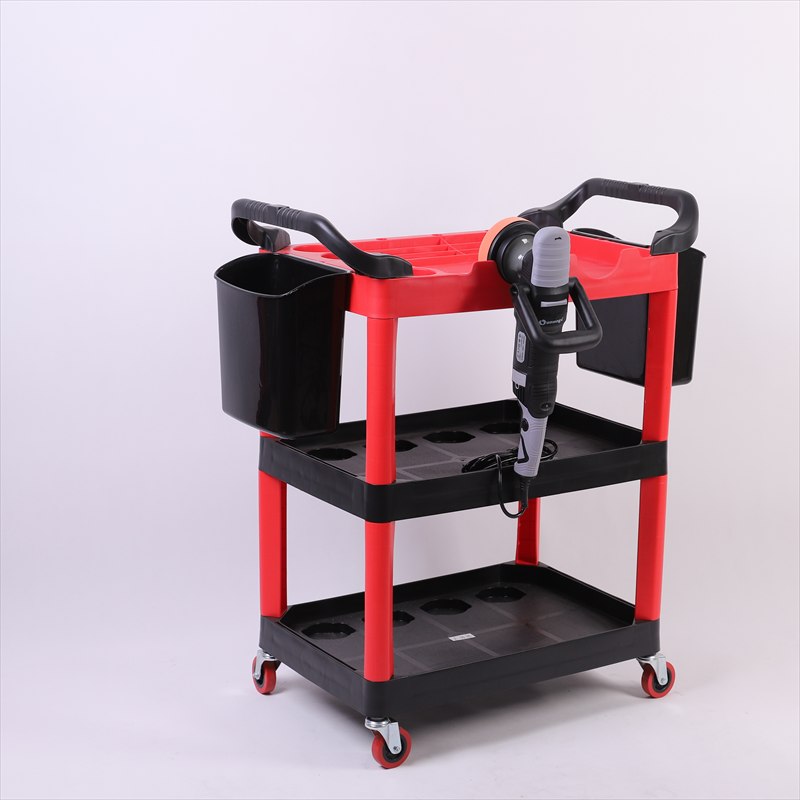
Chemical categories and compatible accessories can be sourced as a coordinated program, while each product is assessed individually for storage and shipping suitability.
Frequently Asked Questions
Does a neutral pH mean a cleaner is safe for every surface?
No. Surface compatibility depends on the complete formulation, concentration, contact time, temperature and material or coating. Test the intended surface.
How should concentrated products be compared?
Compare cost per prepared liter, recommended dosage, actual performance, packaging, freight and user convenience. Confirm whether the ratio means product-to-water or product-to-final solution.
Can a car care formula be customized?
Depending on the manufacturer and project, options may include selecting or adjusting a formula, fragrance, color, concentration and packaging. Development, testing and ownership terms should be agreed in writing.
How is shelf life confirmed?
Shelf life should be supported by suitable stability information under defined storage conditions and with the final packaging. Do not assume one period applies to every formula.
What packaging compatibility should be checked?
Review bottle resin, caps, triggers, pumps, seals, label adhesive, inner packaging and cartons with the actual chemical and expected temperature and storage conditions.
Which documents may be needed?
Depending on product and market, buyers may need SDS, TDS, specifications, COA where applicable, transport classification, test reports and compliant product labels.
Does an SDS mean the product is non-dangerous for shipping?
No. Transport classification also depends on physical properties, hazard criteria, packaging, transport mode and route. Confirm before booking.
What information is needed for a quotation?
Provide the product list, intended surfaces and performance, concentrate or RTU preference, pack sizes, quantities, branding, destination market and any reference formulas or samples.
Develop a Private-Label Car Care Chemical Range
Send JanetSourcing your product list, intended applications, target market, preferred formula format, packaging sizes, estimated quantities and performance references. We can coordinate manufacturer comparison, samples, packaging and document collection for each product.
PRODUCTS
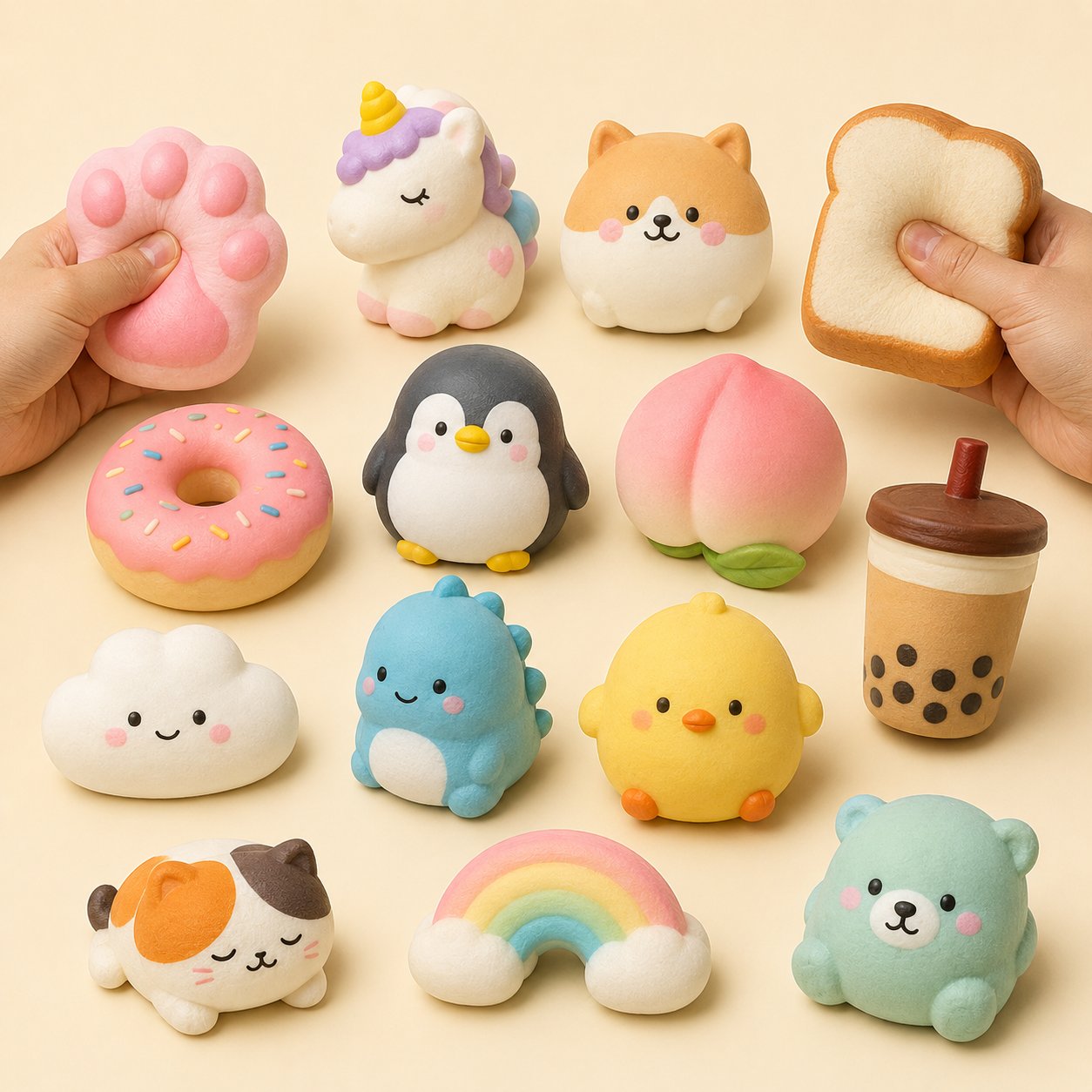
Squishy Toys
Soft and fun squishy toys designed for squeezing, stress relief and sensory play, available in various cute shapes, sizes, colors and designs for toy, gift and novelty markets.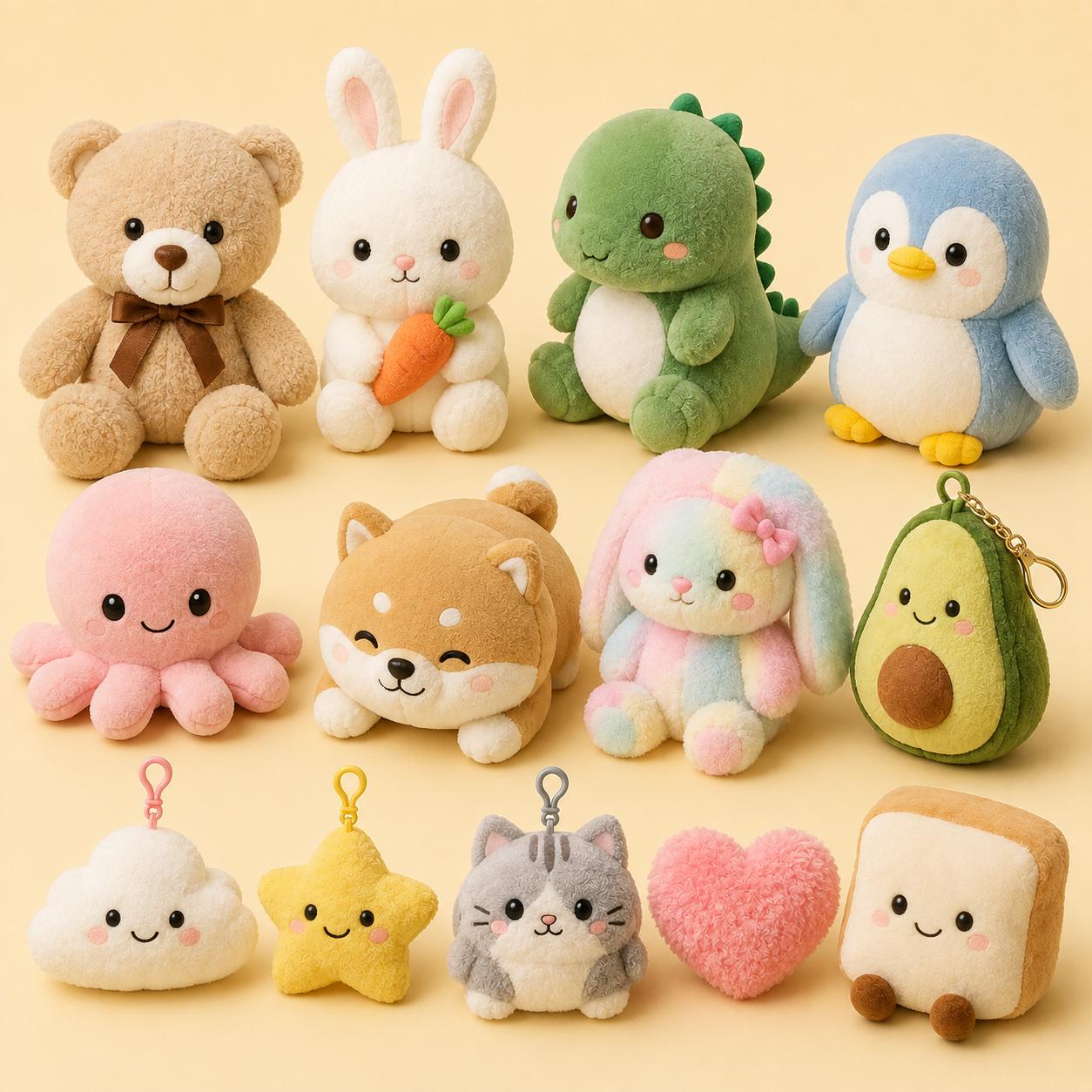
Plush & Soft Toys
Soft and cuddly plush toys designed for play, comfort, decoration and gifting, available in various animals, characters, sizes, fabrics and designs for toy, gift and promotional markets.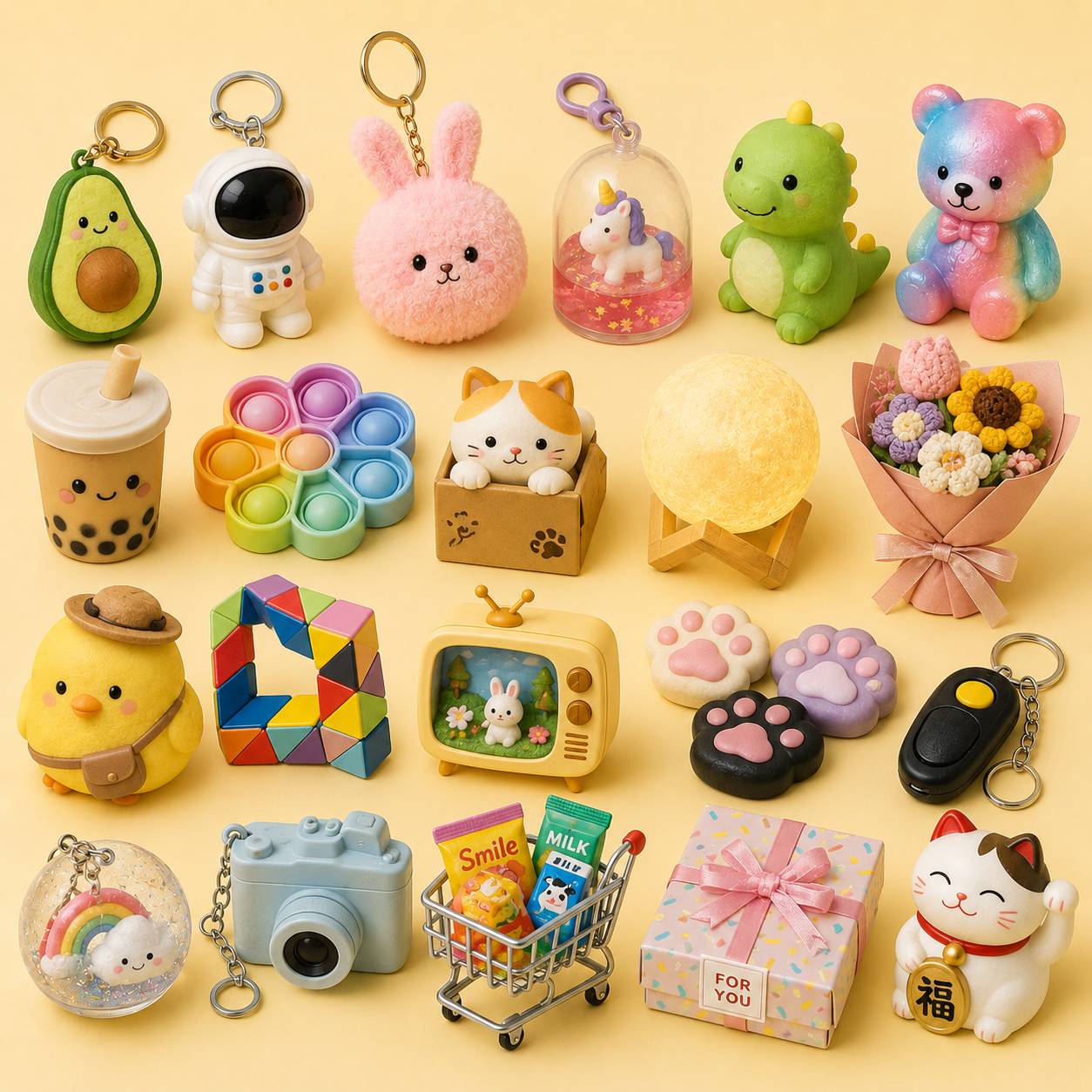
Novelty & Gift Items
Creative and eye-catching novelty and gift items designed for gifting, entertainment, decoration and impulse purchases, available in various fun, practical and trendy designs for gift, retail and promotional markets.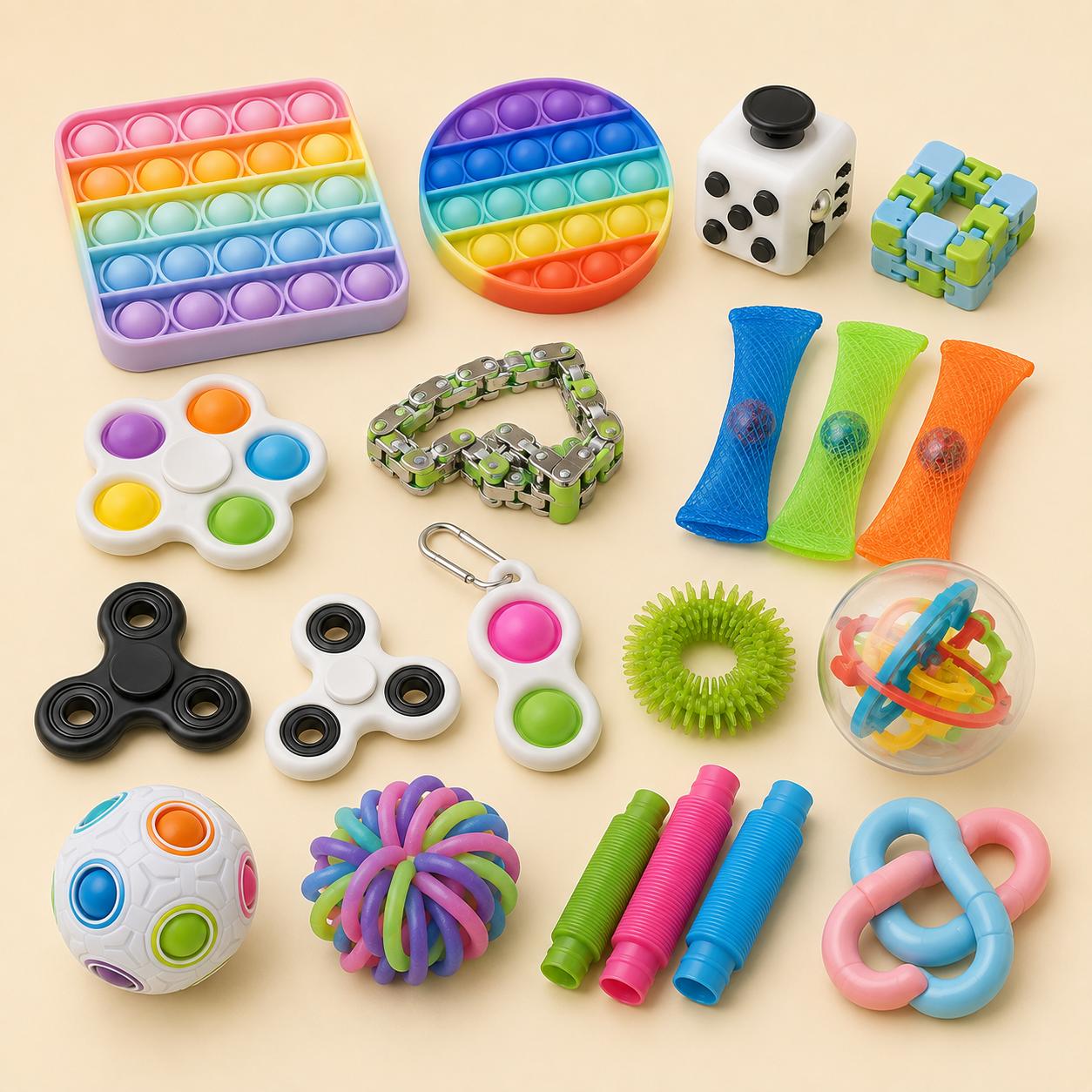
Fidget & Sensory Toys
Fun and engaging fidget and sensory toys designed for stress relief, sensory stimulation and interactive play, available in various shapes, materials, colors and designs for toy, gift and educational markets.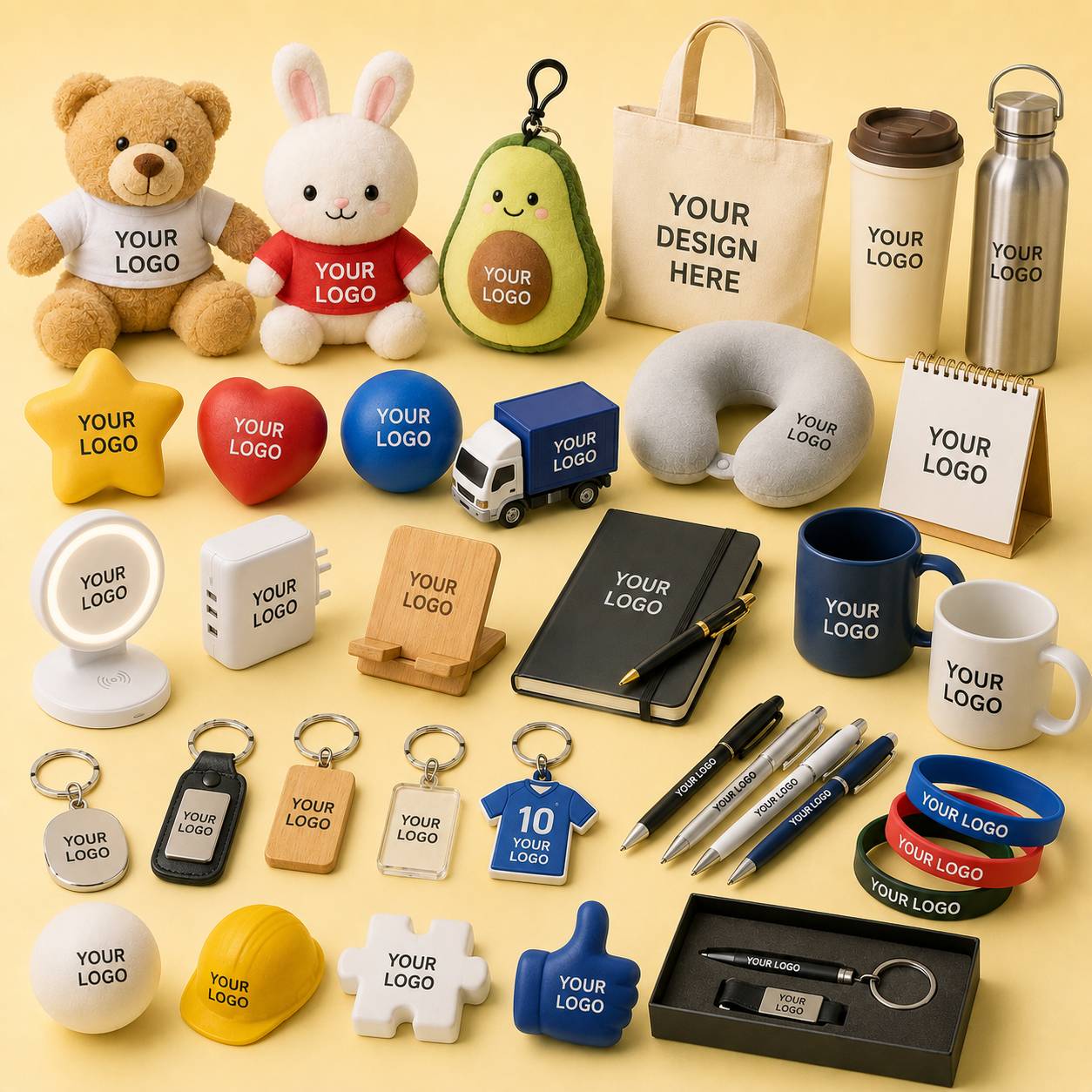
Custom & Promotional Gifts
Customized gift and promotional products designed for brand promotion, corporate events, marketing campaigns and special occasions, with flexible options for custom logos, colors, designs, packaging and private-label solutions.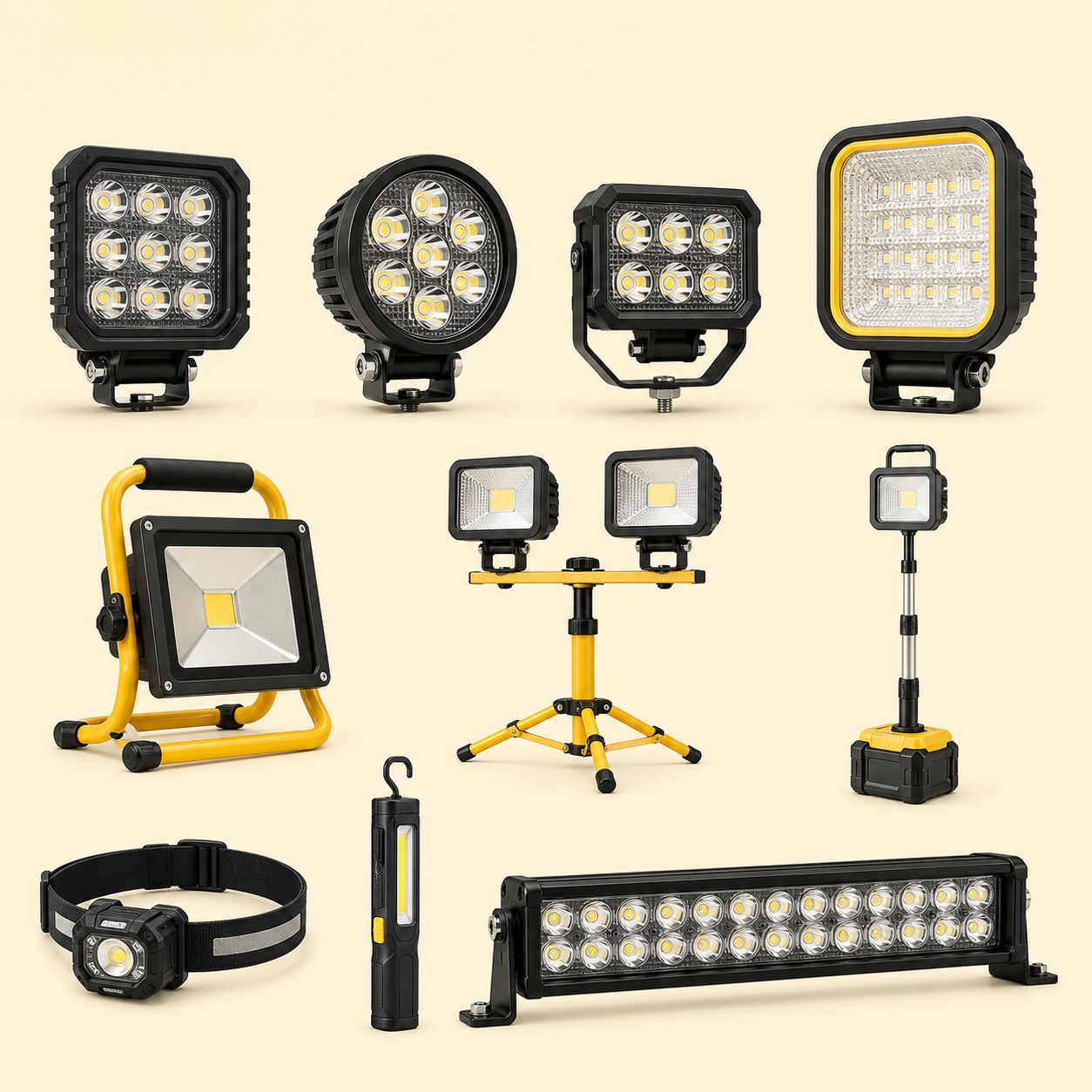
Workshop Lights
Bright and reliable workshop lights for clear illumination in garages, workshops and maintenance areas, available in various portable, rechargeable and adjustable designs for professional use.

TELL US ABOUT YOUR SOURCING NEEDS
Please fill out the form below and we will get back to you as soon as possible.