
- Home
- Products
- Car Detailing Products
- Car Cleaning Accessories
Car Cleaning Accessories
Product Details
Car Cleaning Accessories Product Overview
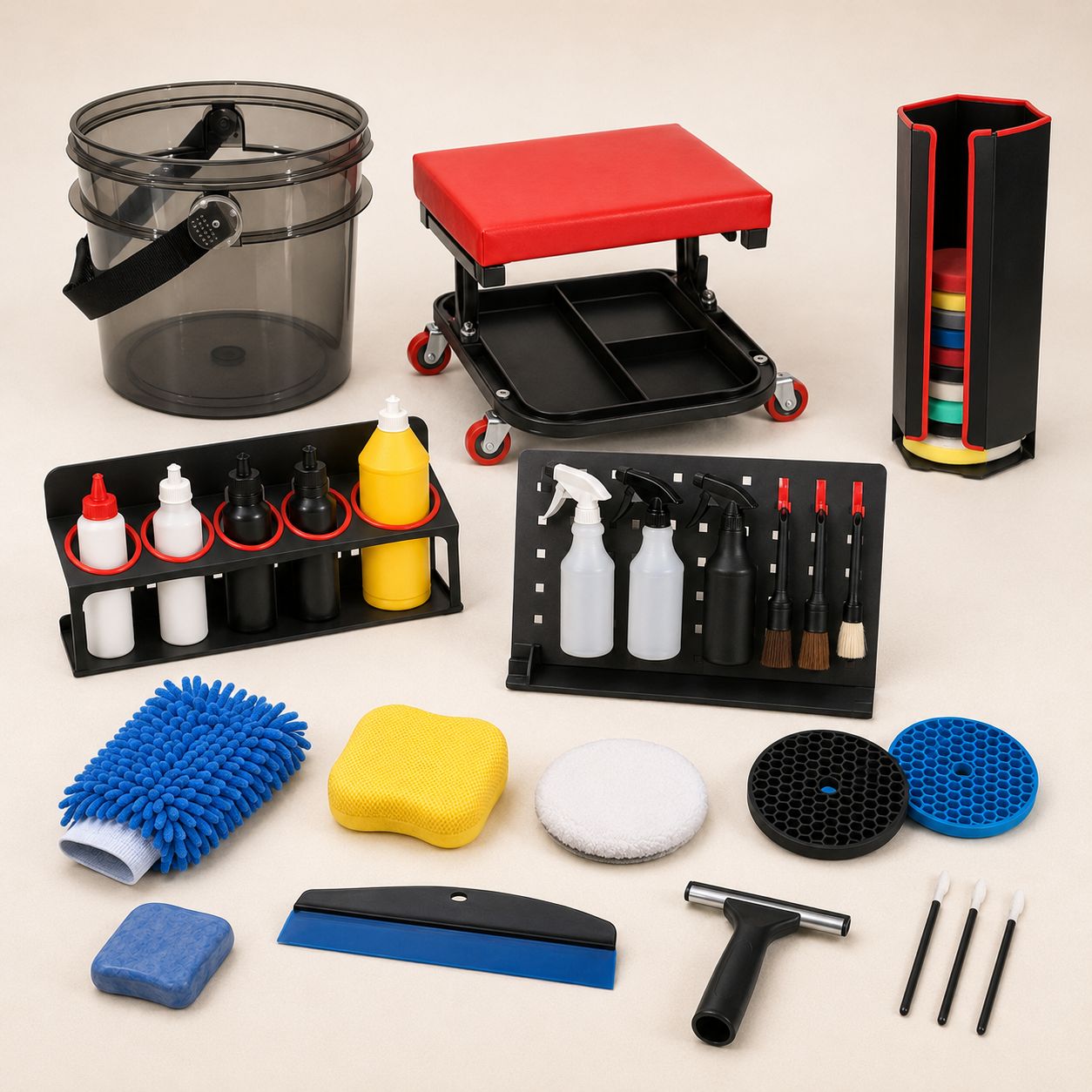
Car cleaning accessories cover several different jobs: contact washing, wax or dressing application, water management, tool storage and workshop organization. Because a wash mitt, foam applicator, bucket and metal rack have different materials and failure points, a mixed range needs category-specific specifications rather than one generic quality standard.
JanetSourcing helps automotive brands, distributors and car wash businesses source individual products or coordinated kits from specialized manufacturers. We can organize supplier comparison, sample collection, branding, inspection, warehousing and consolidation according to the product list.
What Problems Can the Right Cleaning Accessories Solve?
A carefully planned range supports safer task separation, repeatable workflow and easier merchandising. Buyers should identify the job each accessory is expected to perform.
Cross-Contamination Between Surfaces
Dedicated mitts, sponges and applicators for paint, wheels, tires and interiors help reduce the transfer of abrasive dirt or chemical residue. Color coding can make separation easier for professional users.
Poor Contact-Wash Handling
Wash mitt fiber construction, pile or chenille strands, cuff quality, stitching and dirt release affect handling. No mitt can guarantee scratch-free washing; pre-rinsing, clean tools and correct technique remain essential.
Uneven Product Application
Foam or microfiber applicators should be selected for the wax, sealant, dressing or cleaner and the target surface. Shape, foam consistency, surface finish and bonding influence control and coverage.
Unstable Bucket Systems
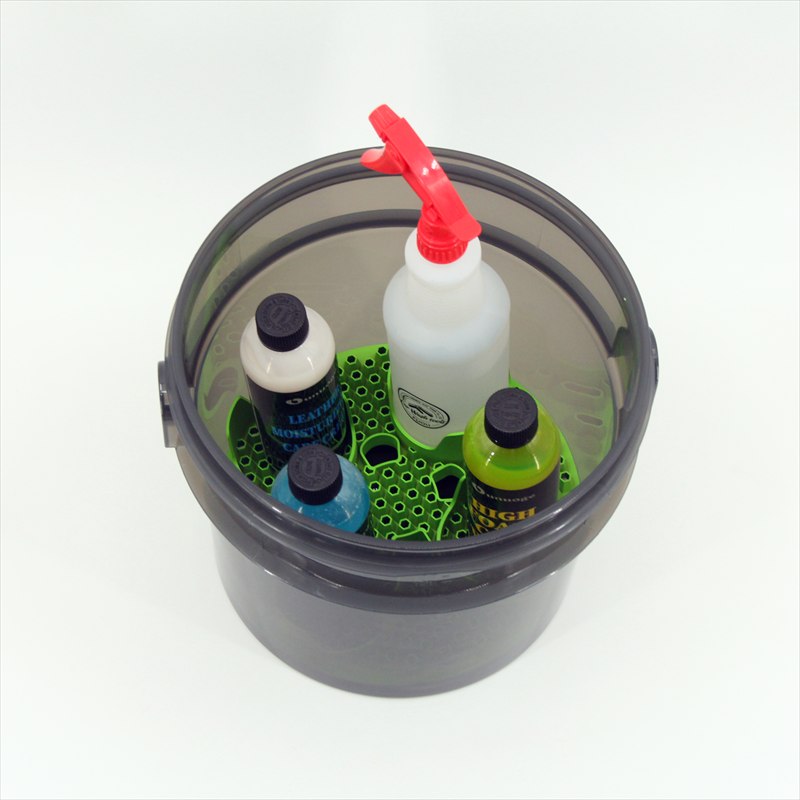
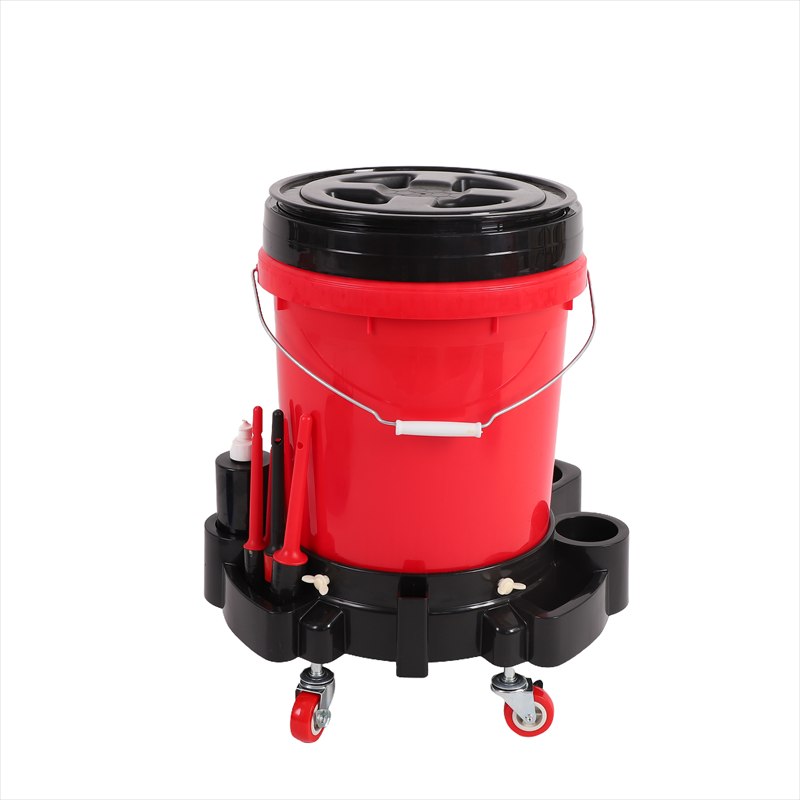
Bucket wall thickness, handle strength, lid fit, grit-guard dimensions and dolly stability should be checked as a matched system rather than as separate catalog items.
Cluttered Detailing Workspaces
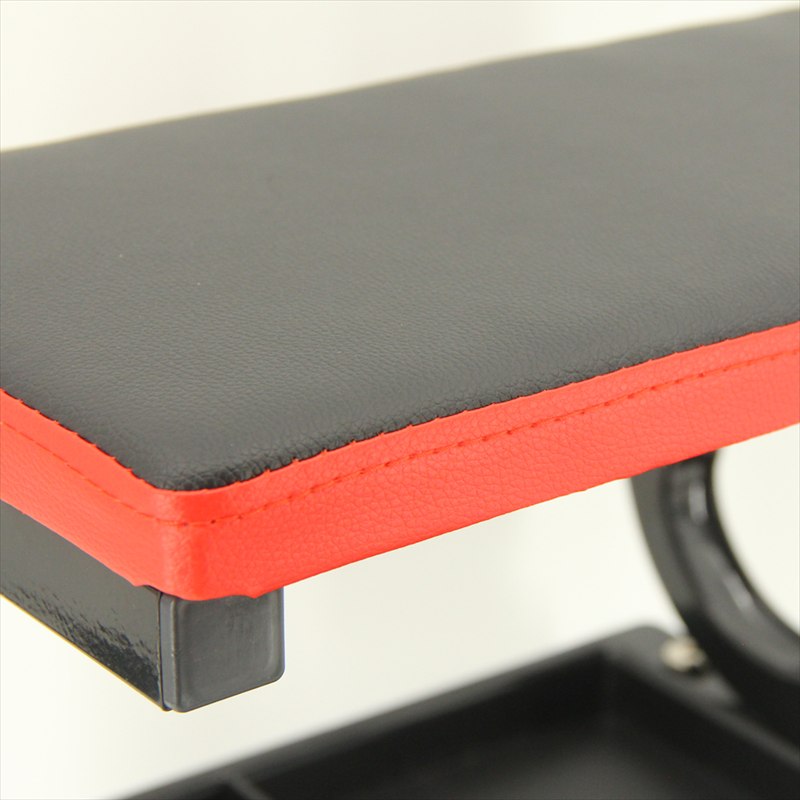
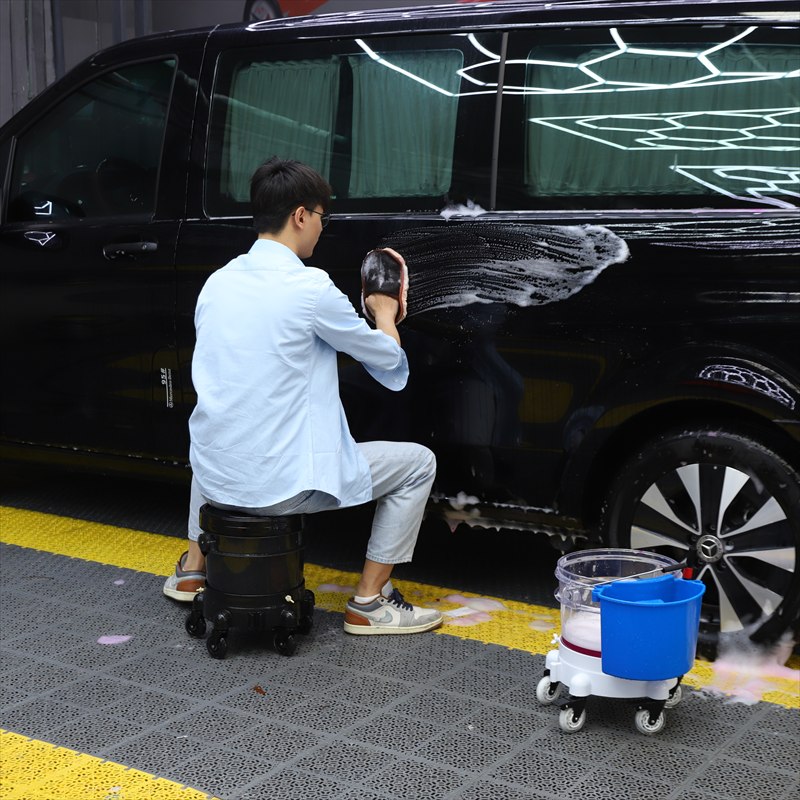
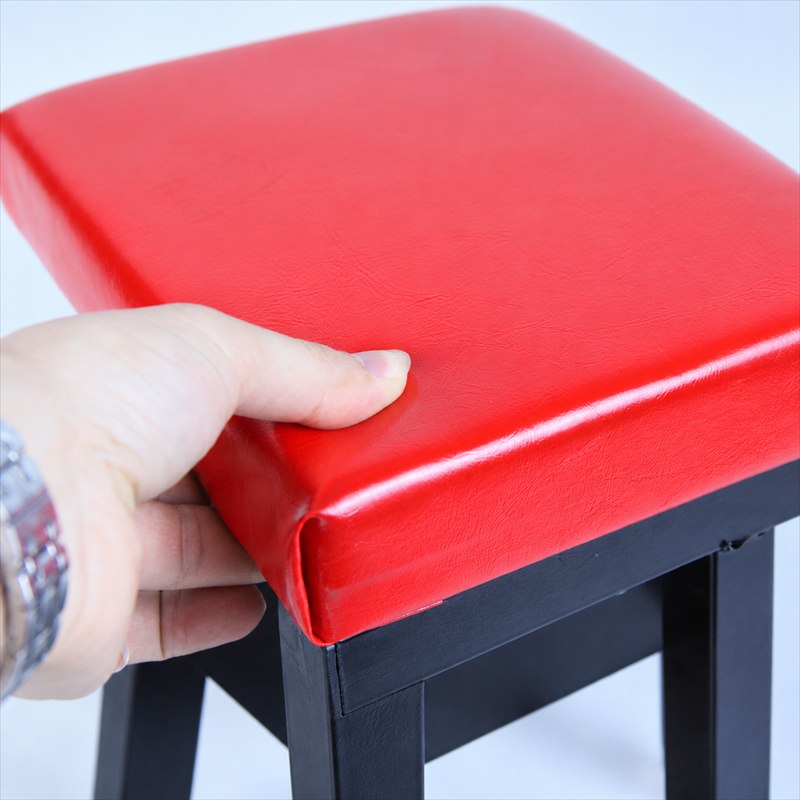
Bottle holders, pad racks, organizers and stools can improve access and workflow, but mounting points, structural stability, finish and rated use conditions need product-specific review.
How to Choose Car Cleaning Accessories
Build the assortment around real detailing steps. Adding more items does not improve a kit if the products overlap or do not fit the target workflow.
Microfiber and Chenille Wash Mitts
Compare fiber or strand attachment, stitching, cuff construction, absorbency, washability and dirt release. Evaluate samples after repeated wet use and cleaning.
Wash Sponges
Foam structure, dimensions, resilience and surface condition influence handling. Sponge selection should reflect the intended wash or cleaning task rather than appearance alone.
Foam and Microfiber Applicators
Use applicators for compatible waxes, sealants, dressings and care products. They are not automatic substitutes for wash mitts and should be matched to the surface and formulation.
Buckets, Grit Guards and Dollies
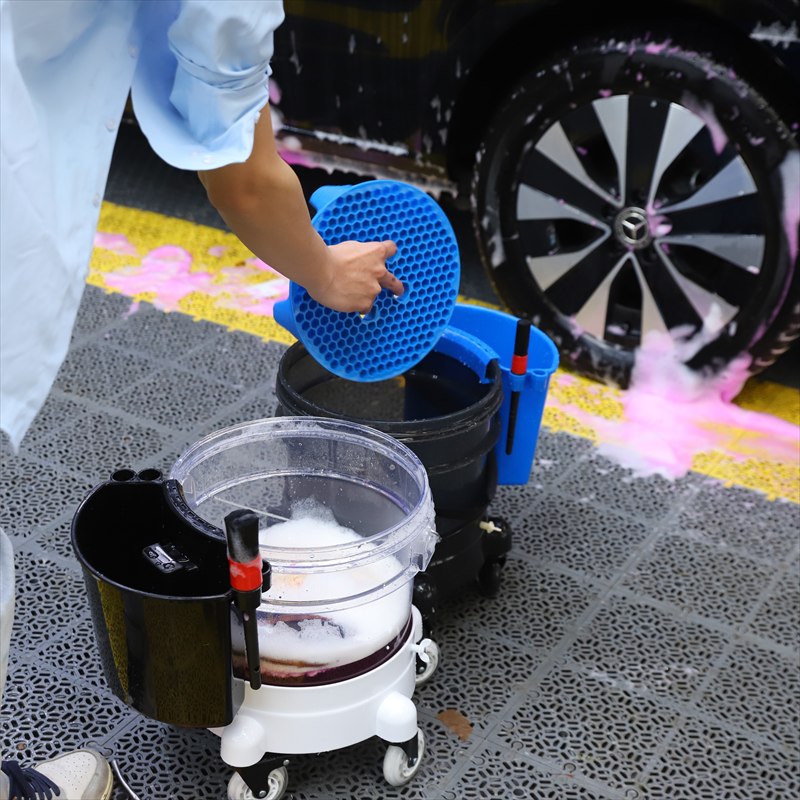
Confirm bucket capacity and dimensions, guard fit, lid compatibility, handle strength and dolly stability. A two-bucket process can help manage contamination but does not eliminate scratch risk.
Organization and Workshop Products
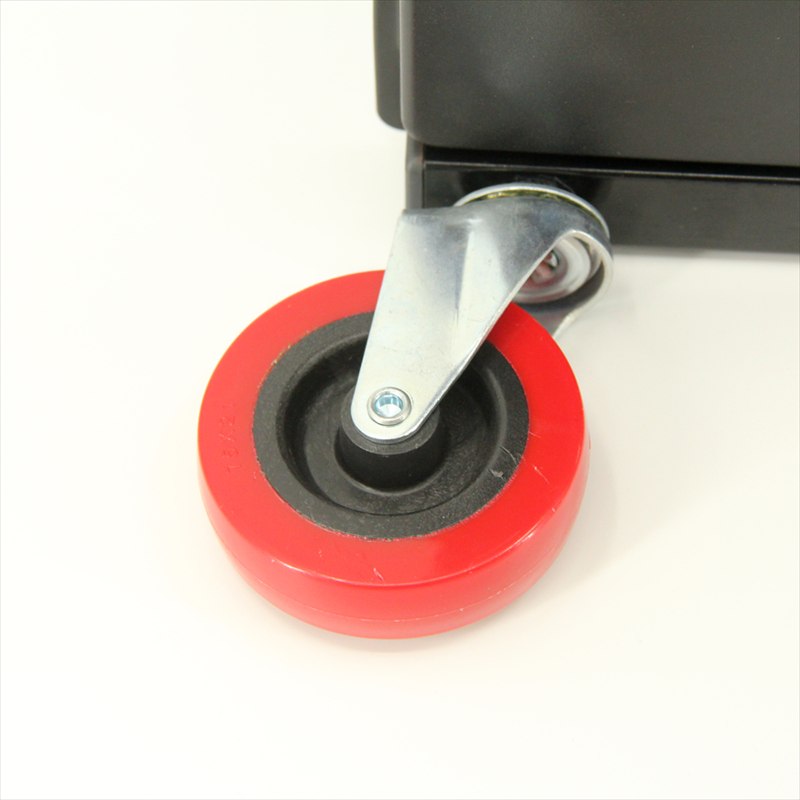
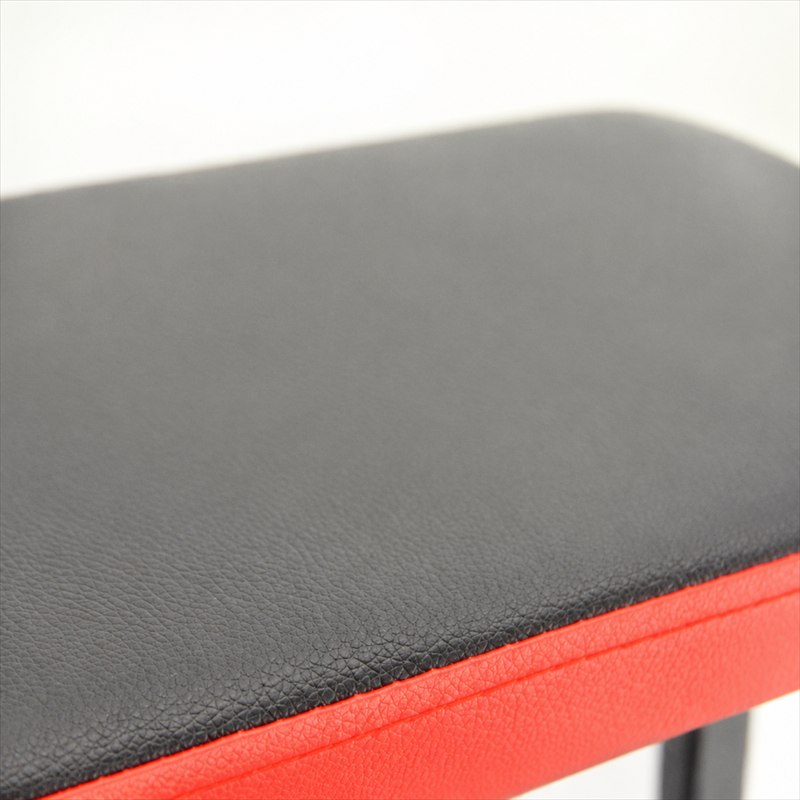
For bottle holders, pad racks, trays and stools, compare dimensions, mounting method, structural stability, surface finish, moving components and intended load conditions.
Car Cleaning Accessory Specifications and Customization Options
A multi-category quotation should identify each item separately. Materials, dimensions, quantities and logo methods differ by product and supplier.
| Product Group | Important Confirmation Points |
|---|---|
| Wash mitts | Fiber or chenille construction, size, cuff, stitching, absorbency, shedding and color |
| Sponges | Foam type, cell structure, size, shape, resilience, surface finish and color |
| Applicator pads | Foam or microfiber material, dimensions, bonding, edge finish and product compatibility |
| Buckets and lids | Material, capacity, dimensions, wall thickness, handle and lid fit |
| Grit guards and dollies | Diameter, rigidity, bucket fit, wheel or brake function and stability |
| Holders and racks | Material, dimensions, mounting points, surface finish and intended load |
| Detailing stools | Structure, stability, moving parts, assembly, packaging and stated use conditions |
| Kit configuration | Item list, colors, quantities, storage bag or bucket and packing sequence |
| Branding | Printing, embroidery, molded mark, label, engraving or product-specific option |
| Quotation details | Item list, reference photos, specifications, quantity, packaging and destination |
Multi-Category Sourcing and Quality Control
Mixed accessory programs often involve several manufacturers. A shared product list and approved samples help keep variants, packaging and quantities under control.
Phase 1 Range and Kit Planning
Action: Translate the buyer’s product list into individual specifications, kit combinations, quantities and target packaging.
Quality focus: Remove overlapping items and define which tools must remain separated by task or color.
Phase 2 Specialist Supplier Matching
Action: Identify suitable manufacturers for textile, foam, plastic and metal products instead of forcing one supplier to cover every category.
Quality focus: Compare category capability, customization, order conditions and sample availability.
Phase 3 Sample Collection and Approval
Action: Collect samples from shortlisted suppliers and assemble proposed kits where needed.
Quality focus: Apply different checks to each product: stitching and shedding for mitts, recovery for foam, fit for bucket systems, and stability for racks or stools.
Phase 4 Branding and Pack-Out Confirmation
Action: Approve logos, colors, labels, item counts, storage bags, retail boxes and carton information.
Quality focus: Use a clear packing list and visual reference to prevent missing or substituted kit components.
Phase 5 Pre-Shipment Inspection
Action: Arrange inspections with category-specific criteria and an agreed sampling scope.
Quality focus: Check product identity, dimensions, workmanship, function where applicable, kit completeness, labels and packaging protection.
Phase 6 Warehousing and Consolidation
Action: Receive goods from multiple suppliers, coordinate repacking and consolidate shipments when requested.
Quality focus: Reconcile supplier deliveries against the master item list, variants, quantities and carton marks before export.
Why Source Car Cleaning Accessories with JanetSourcing?
One Brief for Multiple Product Categories
We help turn a mixed accessory list into separate specifications and supplier tasks, making quotations and approvals easier to compare.
Category-Specific Quality Checks
A textile mitt, plastic bucket and metal rack are not inspected in the same way. Inspection points can be aligned with each product’s material and function.
Private-Label Kit Assembly
Products can be coordinated into basic wash kits, bucket kits or professional accessory sets, with branding and pack-out subject to supplier capability.
Multi-Supplier Consolidation
JanetSourcing can coordinate receiving, warehousing, repacking and shipment consolidation so buyers do not have to manage every small supplier separately.
Frequently Asked Questions
What products can be included in a car cleaning accessory range?
Options may include wash mitts, sponges, applicators, buckets, grit guards, holders, racks, stools and other selected detailing tools.
Can one wash mitt be used for paint and wheels?
Dedicated tools are recommended to reduce cross-contamination. Wheel and tire tools should be kept separate from paintwork accessories.
Does a grit guard prevent all wash scratches?
No. It can help keep a wash tool away from some settled particles, but washing method, tool cleanliness and surface contamination still matter.
What should be checked on a wash mitt sample?
Review material construction, stitching, cuff quality, fiber or strand attachment, absorbency, dirt release, shedding and behavior after cleaning.
Can JanetSourcing create a private-label cleaning kit?
Yes, subject to product and supplier requirements. Share the item list, colors, logo, packaging, target price and quantity.
How are products from several suppliers kept consistent?
Use individual specifications, approved samples, a master packing list and category-specific inspection criteria. Receiving checks help reconcile mixed deliveries.
Can accessories be sourced even if they are not shown on the website?
Yes. Reference photos, dimensions, materials or an existing sample can be used to search for suitable options in China.
What information is needed for a quotation?
Send the complete item list, reference photos, materials or dimensions, quantities per item, kit composition, logo, packaging and destination market.
Plan Your Car Cleaning Accessory Range
Share your product list, reference photos, quantities, kit concept, branding and destination market. JanetSourcing can coordinate specialist suppliers, samples, category-specific inspections and a consolidated shipment plan.
PRODUCTS
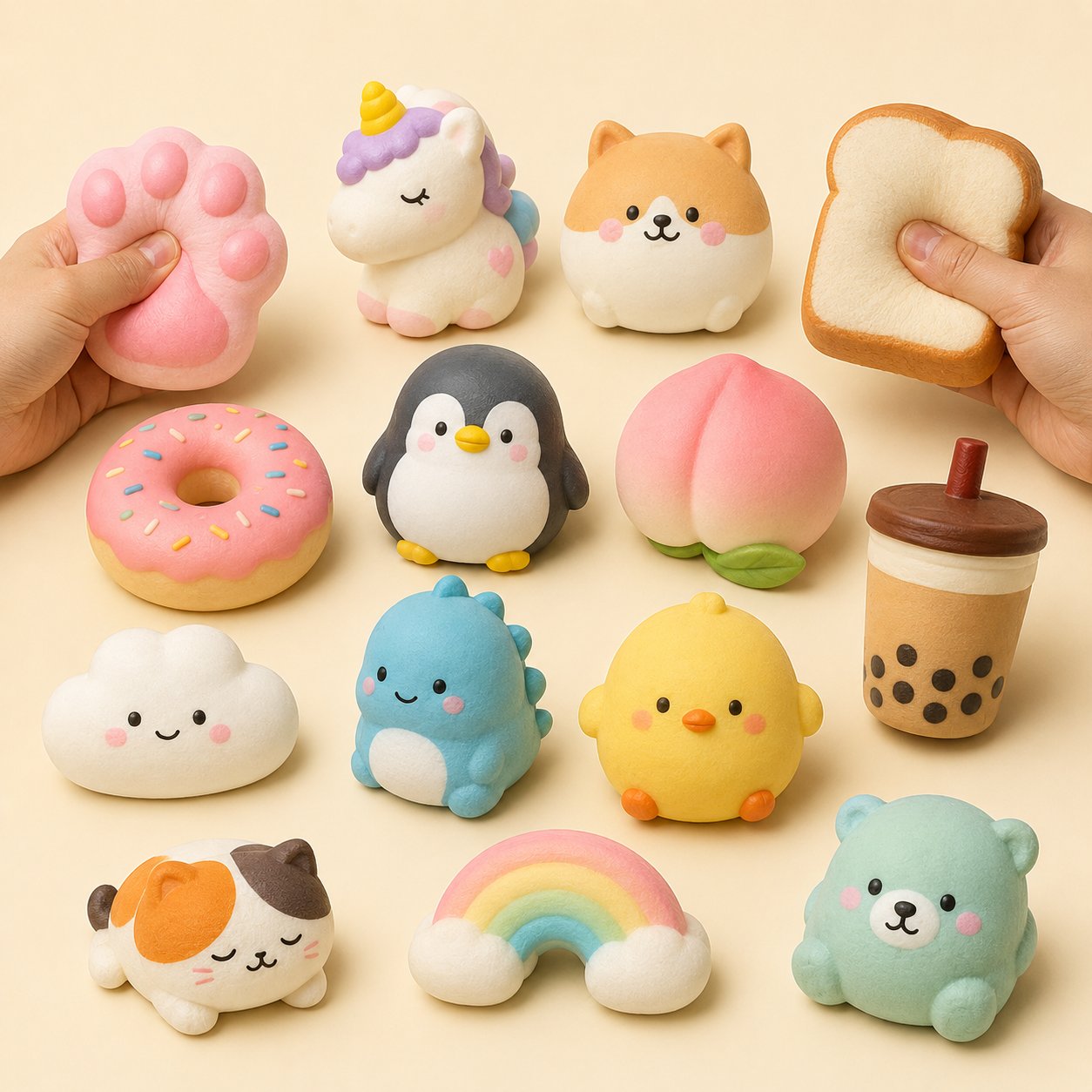
Squishy Toys
Soft and fun squishy toys designed for squeezing, stress relief and sensory play, available in various cute shapes, sizes, colors and designs for toy, gift and novelty markets.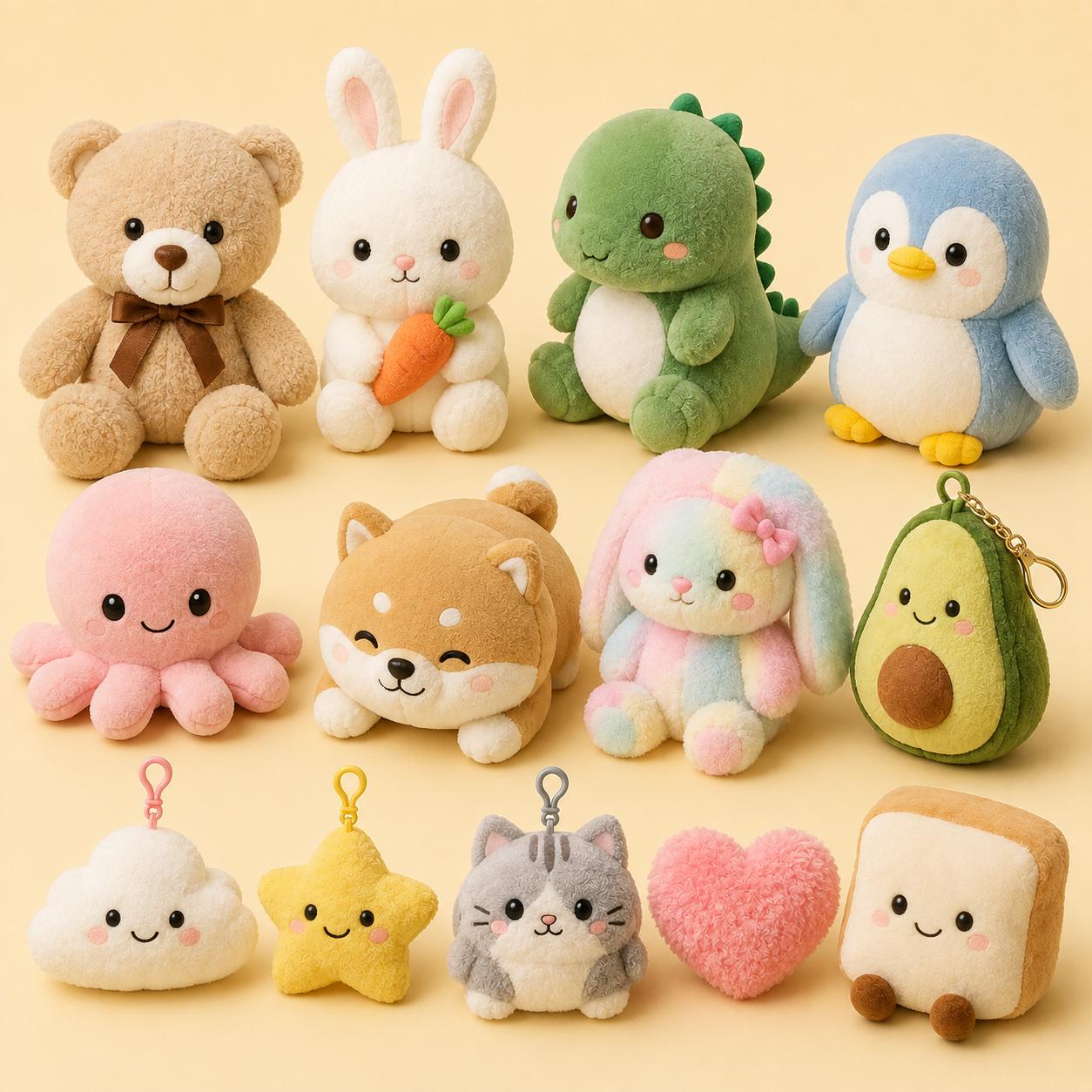
Plush & Soft Toys
Soft and cuddly plush toys designed for play, comfort, decoration and gifting, available in various animals, characters, sizes, fabrics and designs for toy, gift and promotional markets.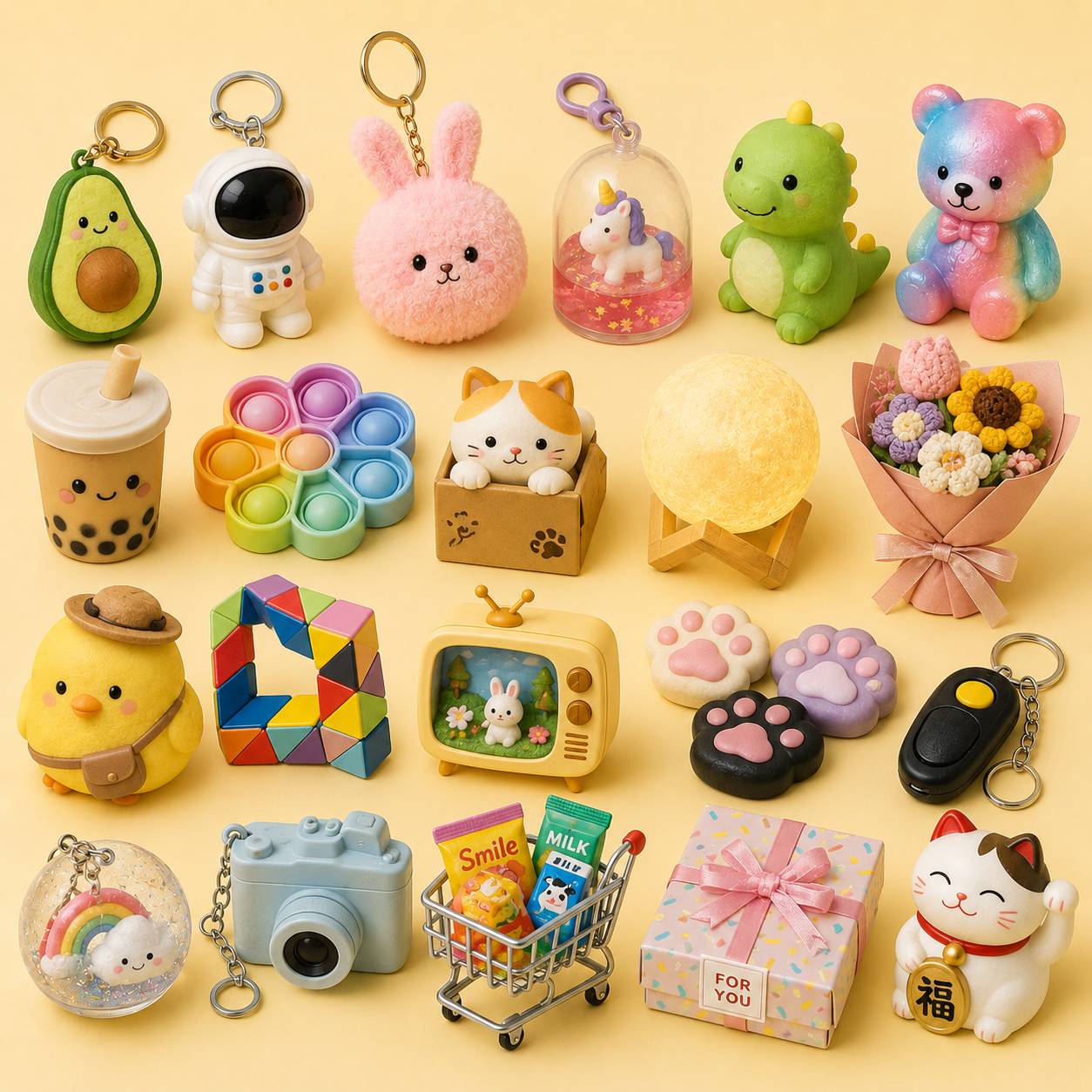
Novelty & Gift Items
Creative and eye-catching novelty and gift items designed for gifting, entertainment, decoration and impulse purchases, available in various fun, practical and trendy designs for gift, retail and promotional markets.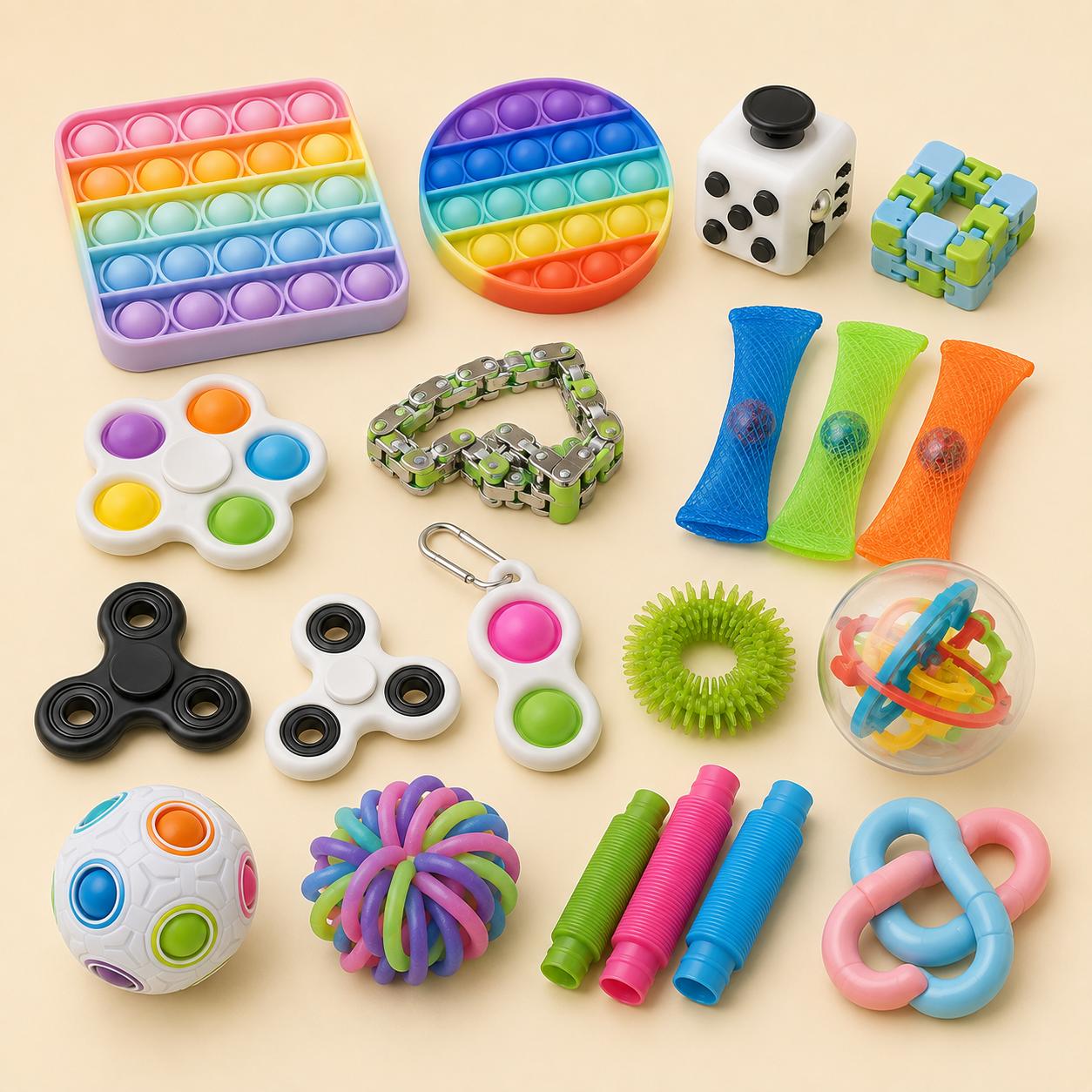
Fidget & Sensory Toys
Fun and engaging fidget and sensory toys designed for stress relief, sensory stimulation and interactive play, available in various shapes, materials, colors and designs for toy, gift and educational markets.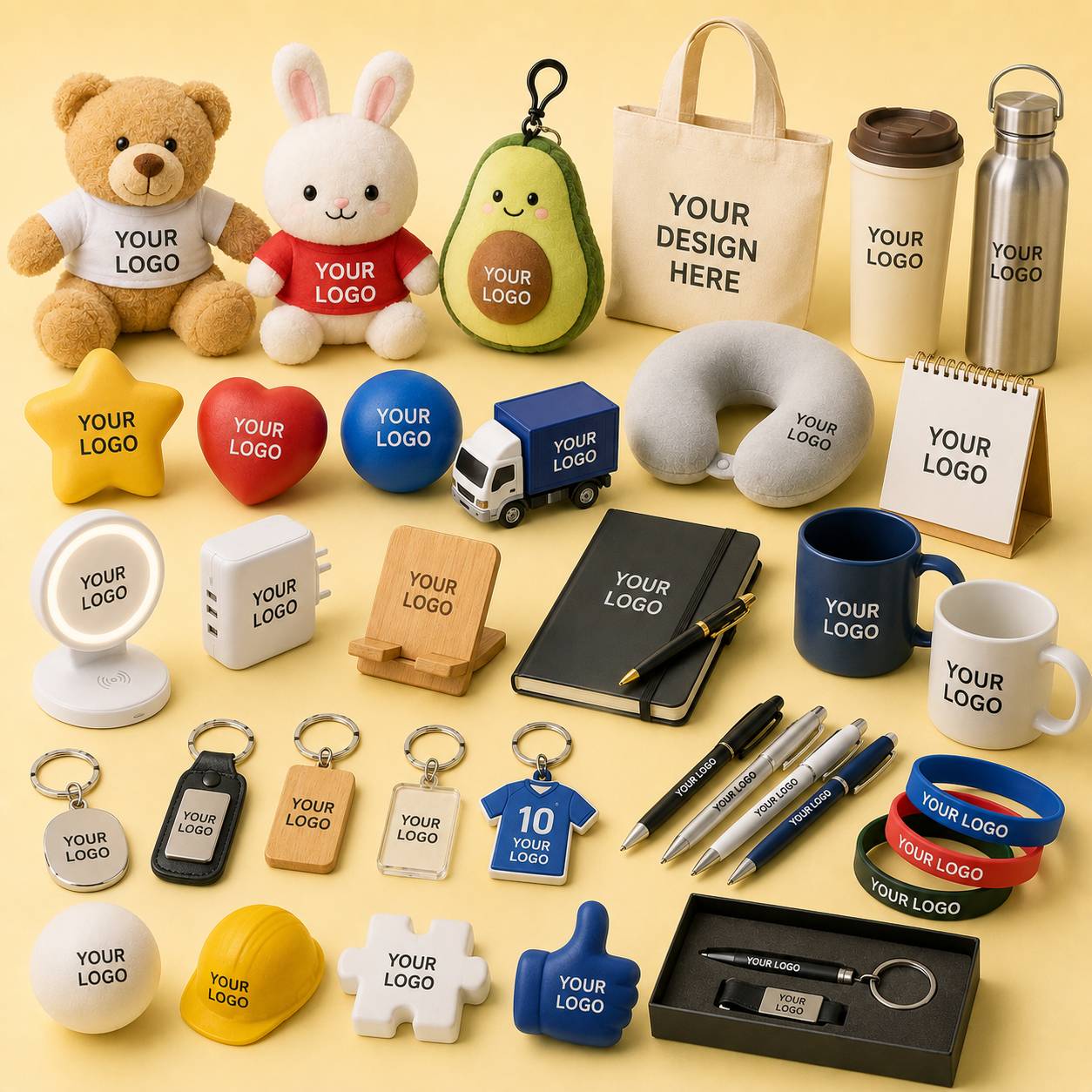
Custom & Promotional Gifts
Customized gift and promotional products designed for brand promotion, corporate events, marketing campaigns and special occasions, with flexible options for custom logos, colors, designs, packaging and private-label solutions.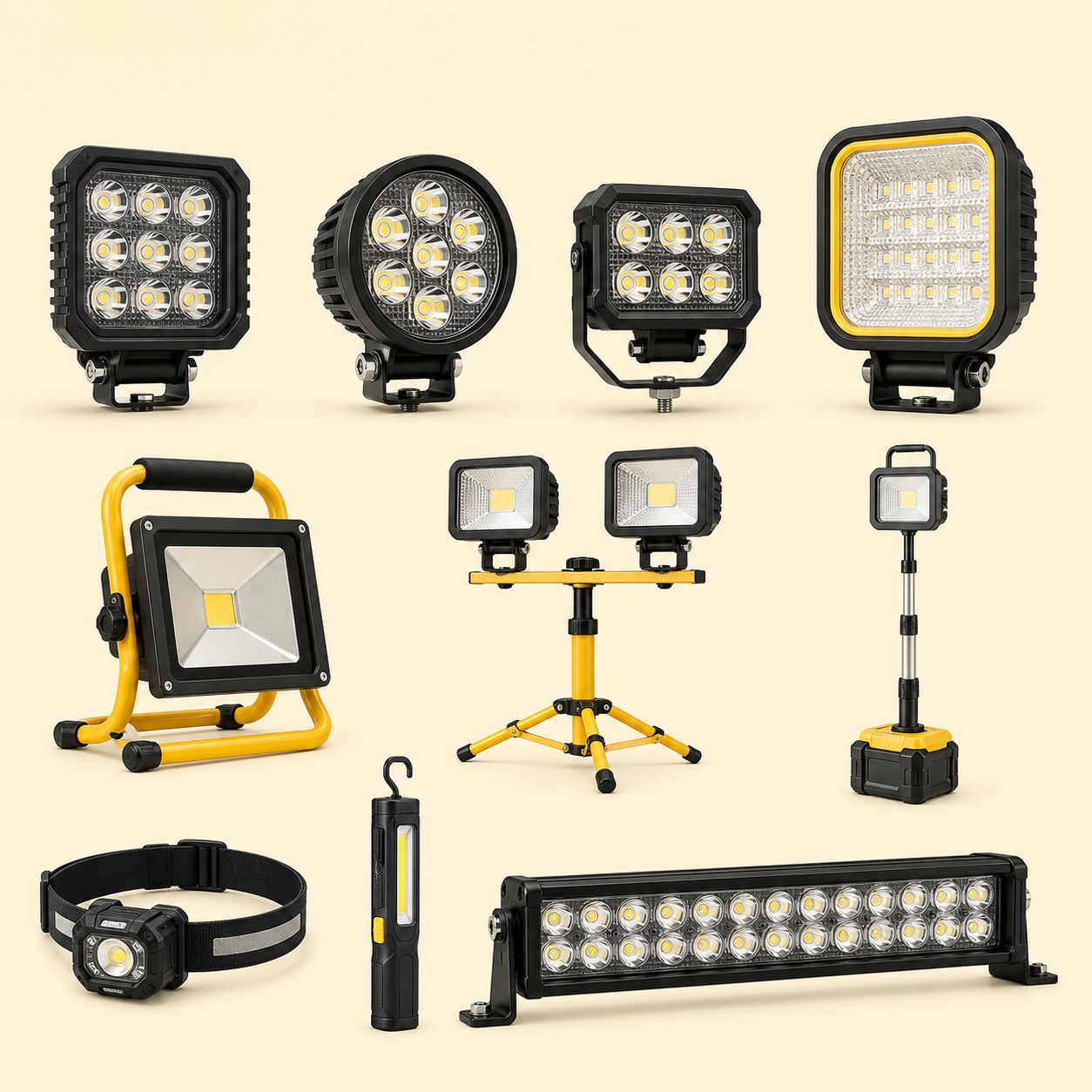
Workshop Lights
Bright and reliable workshop lights for clear illumination in garages, workshops and maintenance areas, available in various portable, rechargeable and adjustable designs for professional use.

TELL US ABOUT YOUR SOURCING NEEDS
Please fill out the form below and we will get back to you as soon as possible.