
- Home
- Products
- Car Detailing Products
- Car Polishers
Car Polishers
Product Details
Car Polishers Product Overview
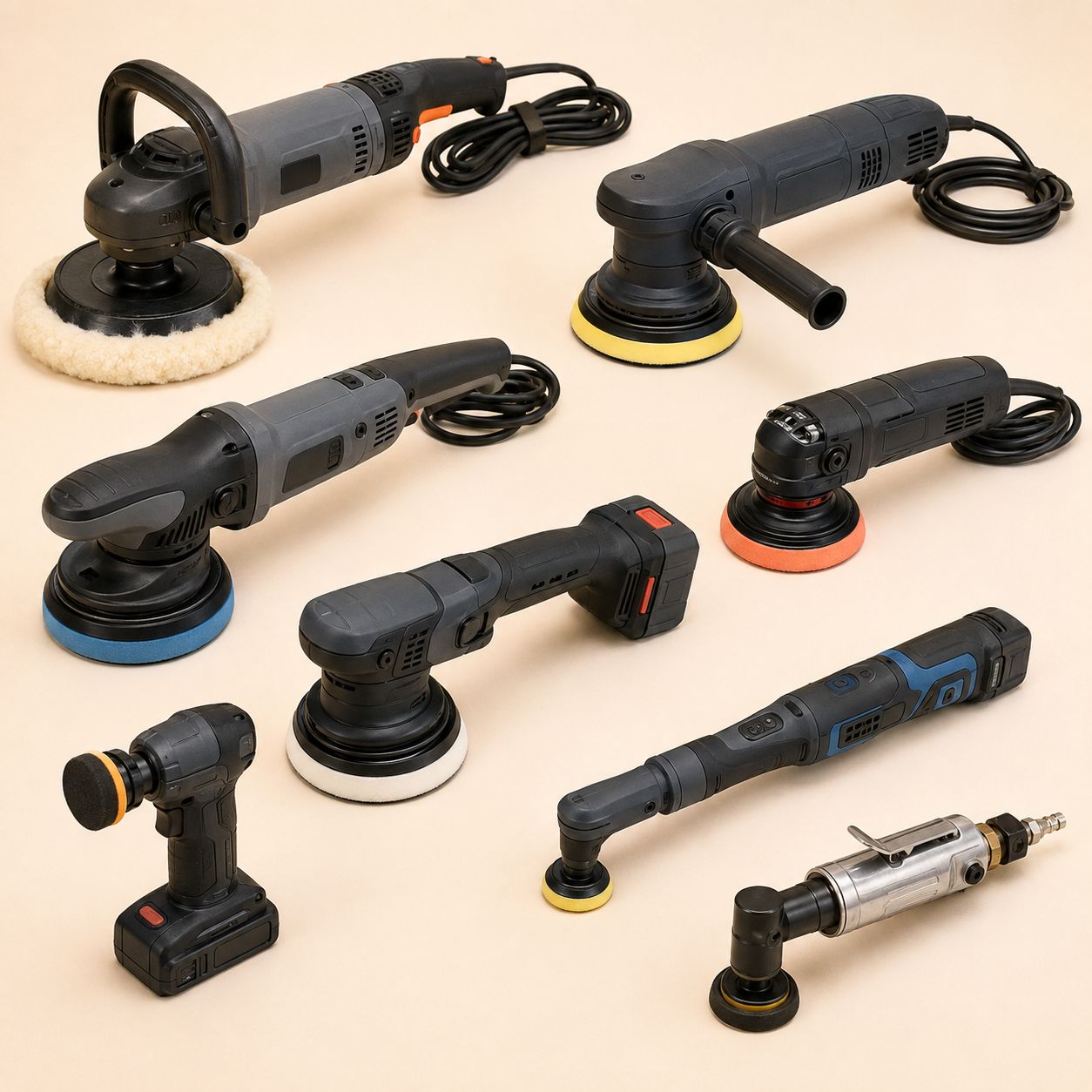
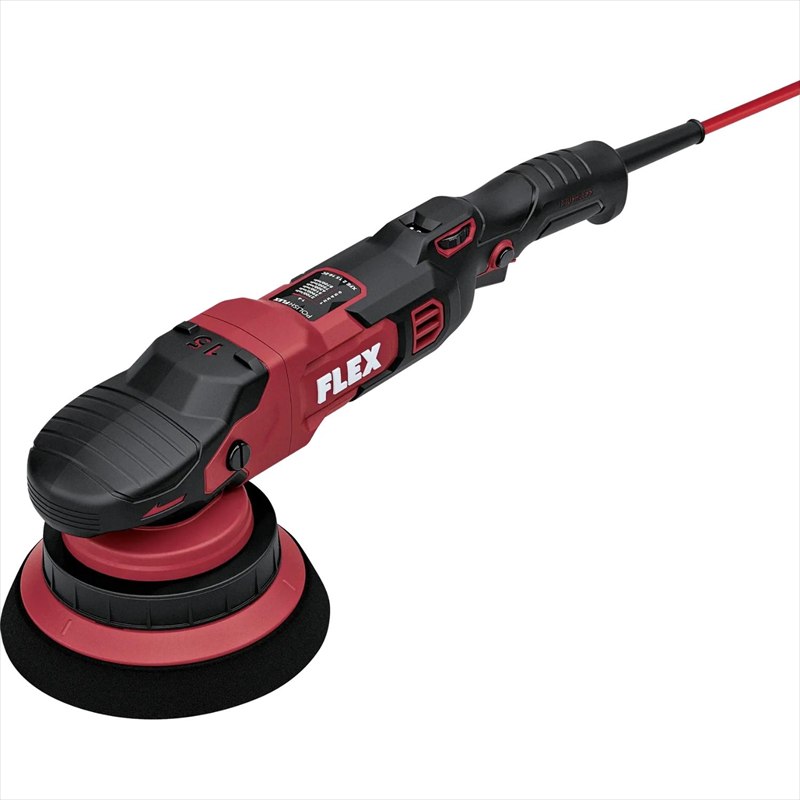
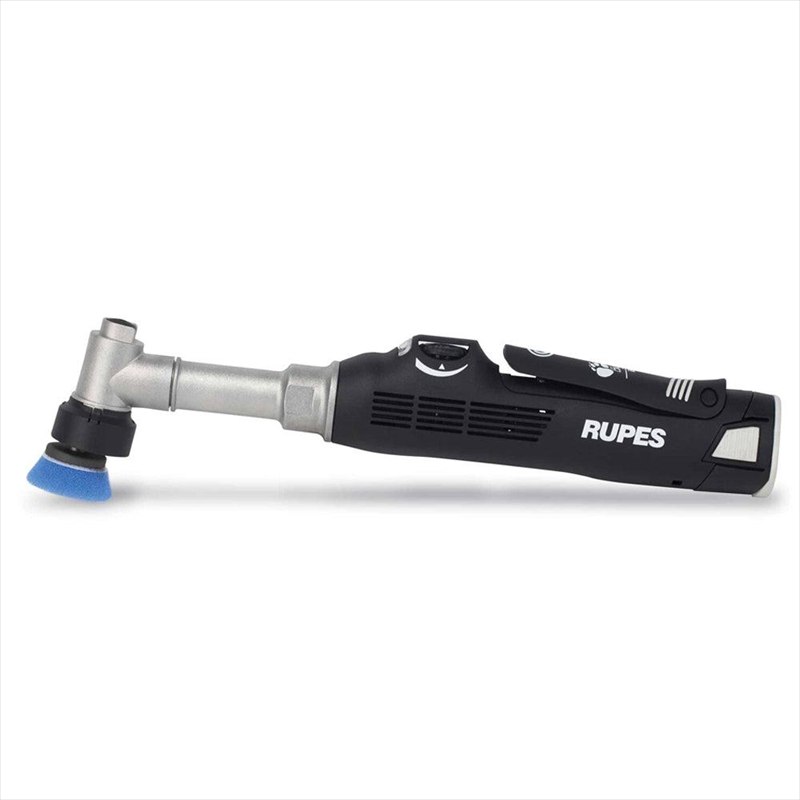
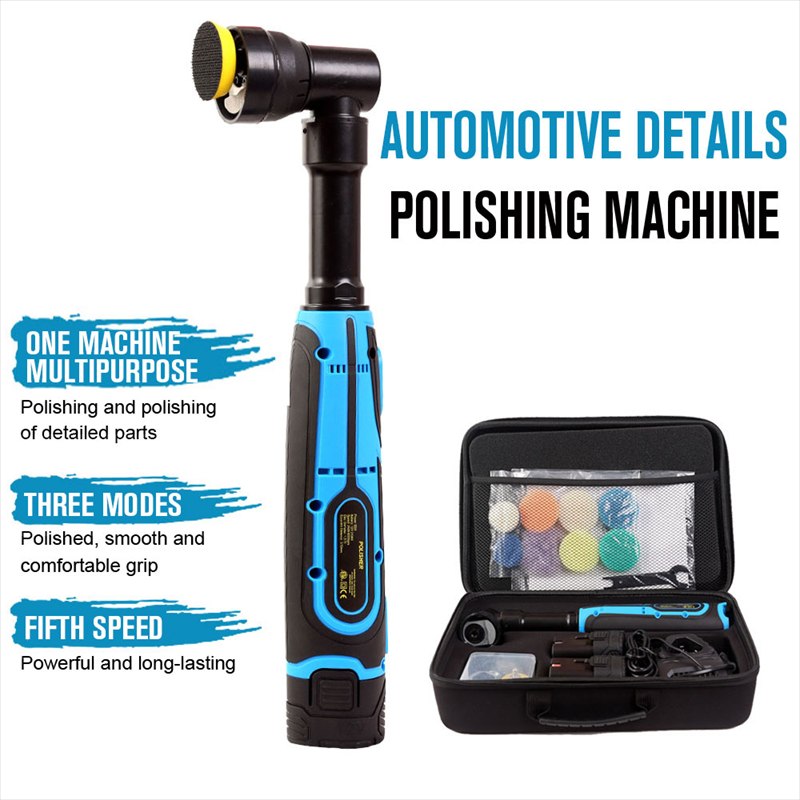
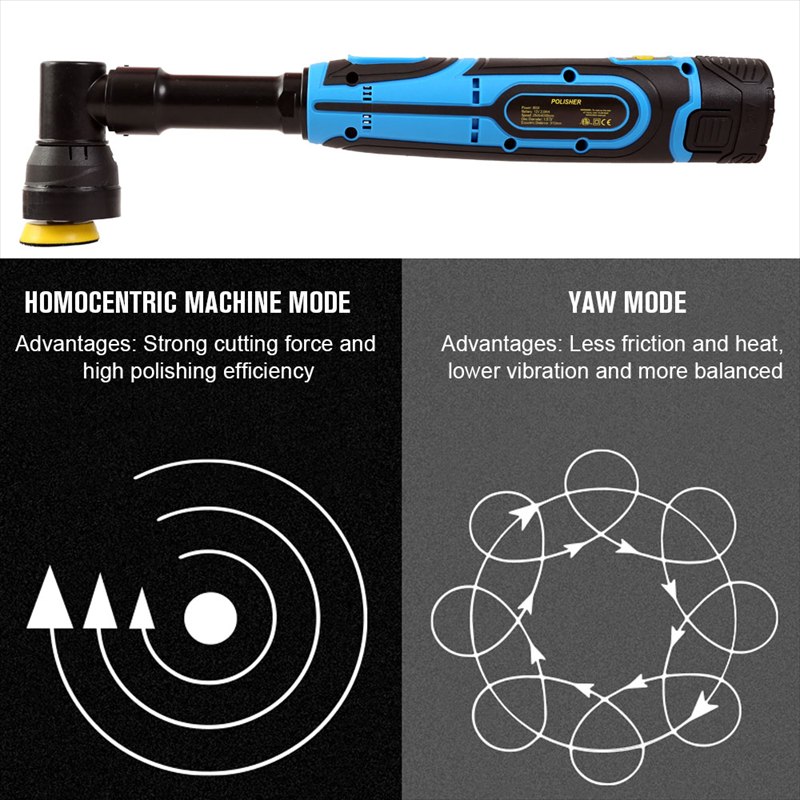
A car polisher should be evaluated as a complete machine, not by advertised wattage or no-load speed alone. Free-spinning dual-action, rotary and forced-rotation machines produce different movement and handling, while motor behavior under load, vibration, balance, heat management and pad compatibility influence practical correction work.
JanetSourcing helps automotive brands and distributors compare suitable manufacturers, coordinate samples and confirm private-label configurations. Buyers can specify machine type, orbit, backing plate, voltage, plug, corded or battery platform, accessory set, documentation and destination market.
What Problems Can the Right Car Polisher Solve?
Different paint areas and correction stages require different movement, control and machine size. Product evaluation should consider the operator, pad system and intended working load.
Slow Correction on Large Panels
A suitable DA, forced-rotation or rotary system can improve coverage and correction efficiency when paired with the right backing plate, pad and compound. The largest orbit is not automatically the best choice for every panel.
Limited Access Around Curves and Details
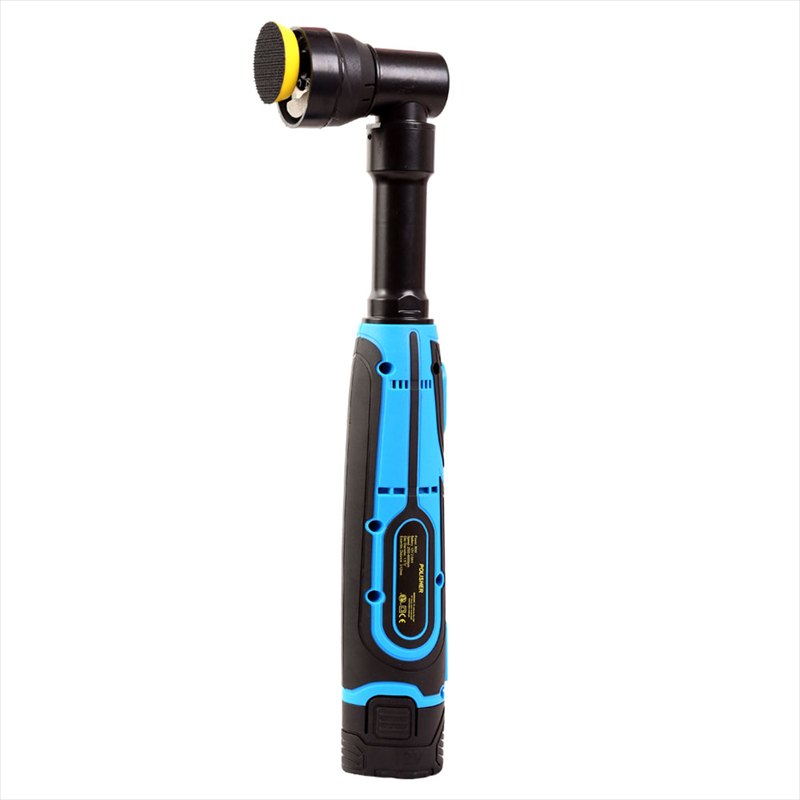
Compact machines and shorter-orbit configurations can offer better control around pillars, bumpers and smaller areas where a large backing plate is difficult to position.
Pad Stall on Free-Spinning DA Machines
Free-spinning pad rotation may slow or stop under excessive pressure or on some curved surfaces. Machine torque behavior, orbit, pad weight, backing plate and technique should be assessed together.
Excessive Vibration and Operator Fatigue
Poor balance, unsuitable accessories or mechanical construction can increase vibration. Handle shape, weight, switch position and measured behavior under load matter for frequent professional use.
Heat, Service and Spare-Part Risk
Motor and gearbox temperature, carbon-brush replacement on applicable models, backing plates, switches, batteries and chargers affect long-term ownership. Spare-part availability should be checked before building a product range.
How to Choose a Car Polisher
Select the machine movement first, then compare orbit or backing-plate size, load behavior, ergonomics and the power system under the same polishing conditions.
Free-Spinning Dual-Action Polishers
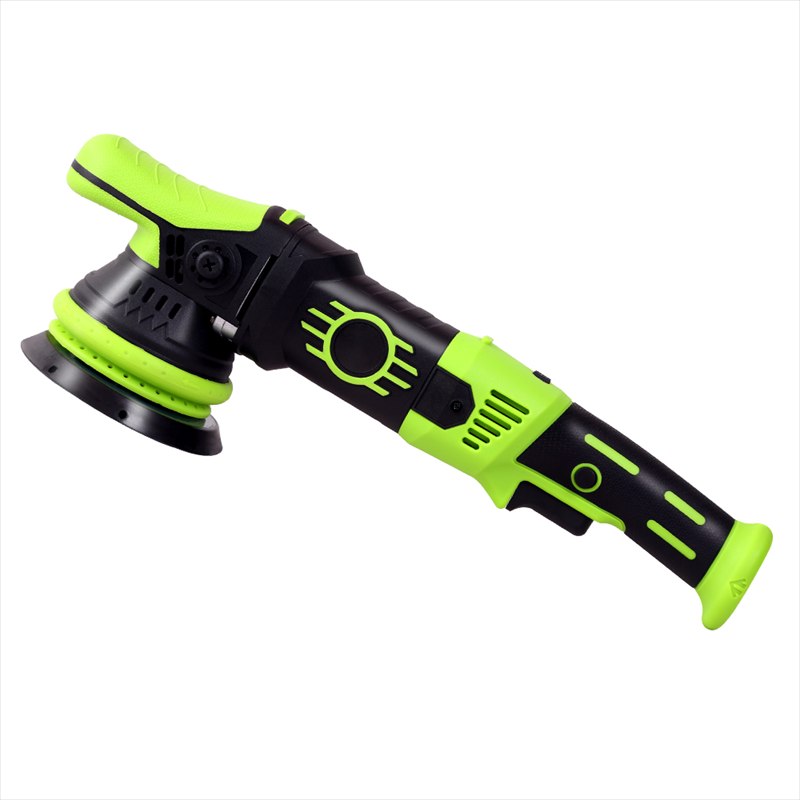
DA machines combine orbital movement with free pad rotation. They can cover general correction and finishing, but pad rotation depends on machine design, pressure, panel shape and pad selection.
Rotary Polishers
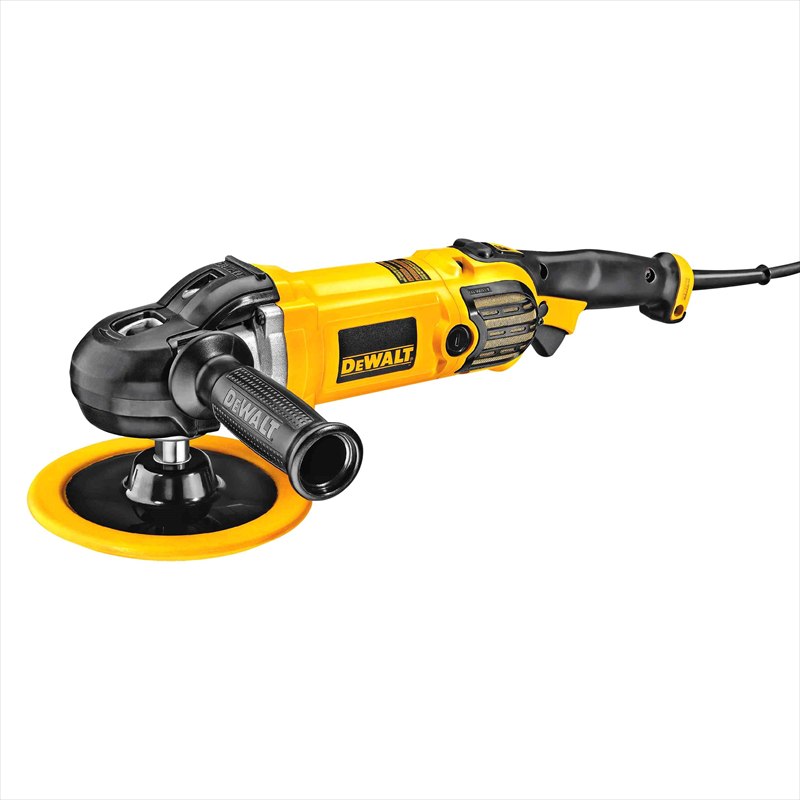
Rotary polishers drive the pad directly around a fixed axis. They can provide effective correction, while localized heat and polishing marks require suitable technique and system matching.
Forced-Rotation Polishers
Forced-rotation machines mechanically maintain pad movement while producing orbital action. Their correction and handling characteristics differ from free-spinning DA models and should be evaluated by intended users.
8 mm, 15 mm and 21 mm Orbits
Shorter orbits can support controlled work and smaller areas, 15 mm is commonly considered for versatile use, and long-throw 21 mm models can cover broad panels. Actual cut depends on the complete machine, pad, compound and paint.
Corded and Cordless Models
Corded machines support continuous work with a suitable power supply. Cordless models improve mobility, but runtime depends on battery capacity, motor load, speed, battery condition and technique—not capacity alone.
Car Polisher Specifications and Customization Options
Exact rated values and operating limits should come from the selected model and supporting technical documents. Electrical and battery requirements must be checked for the destination market.
| Item | Options or Confirmation Points |
|---|---|
| Machine movement | Free-spinning DA, rotary or forced-rotation |
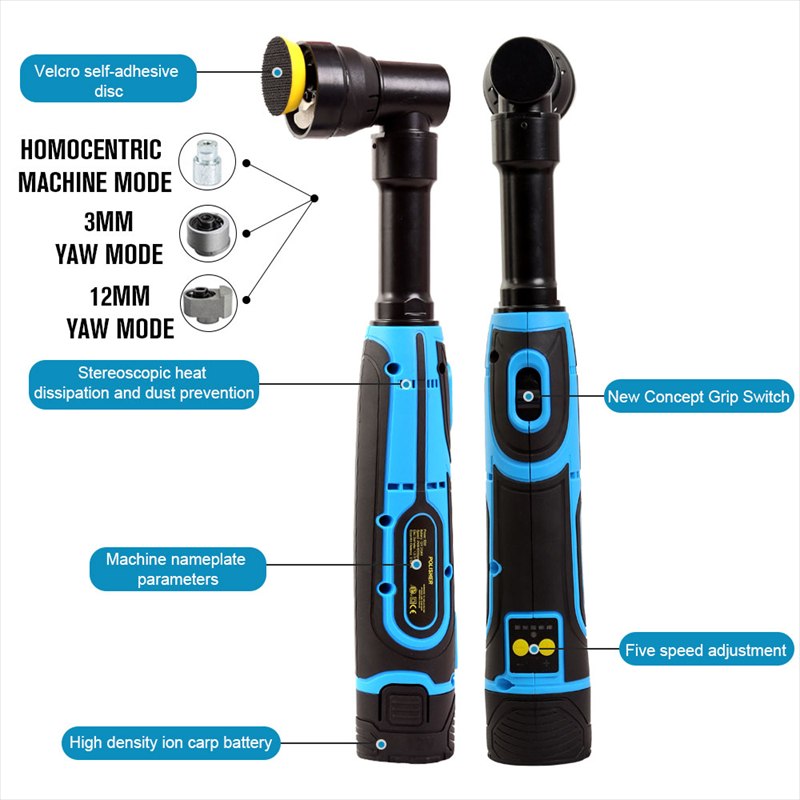
| Mechanical configuration | Orbit, speed range, backing-plate diameter and secure attachment |
| Performance under load | Pad rotation or speed stability, temperature, vibration and noise under agreed conditions |
| Motor | Brushed or brushless, with maintenance and service information |
| Power source | Corded voltage and frequency, or cordless battery platform and charger |
| Market configuration | EU, US, UK, AU or another plug; labels, warnings and user manual language |
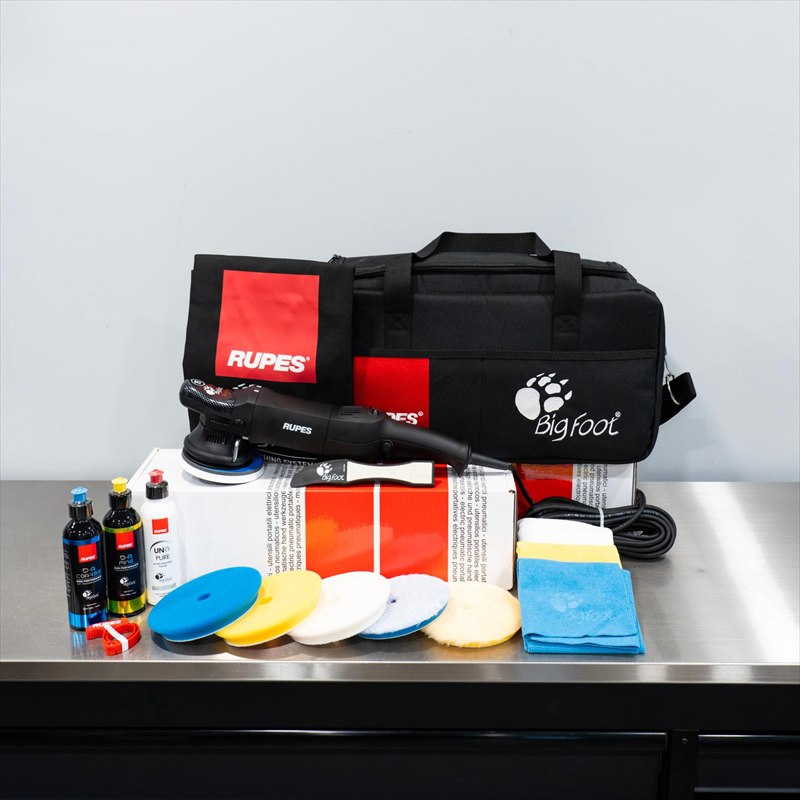
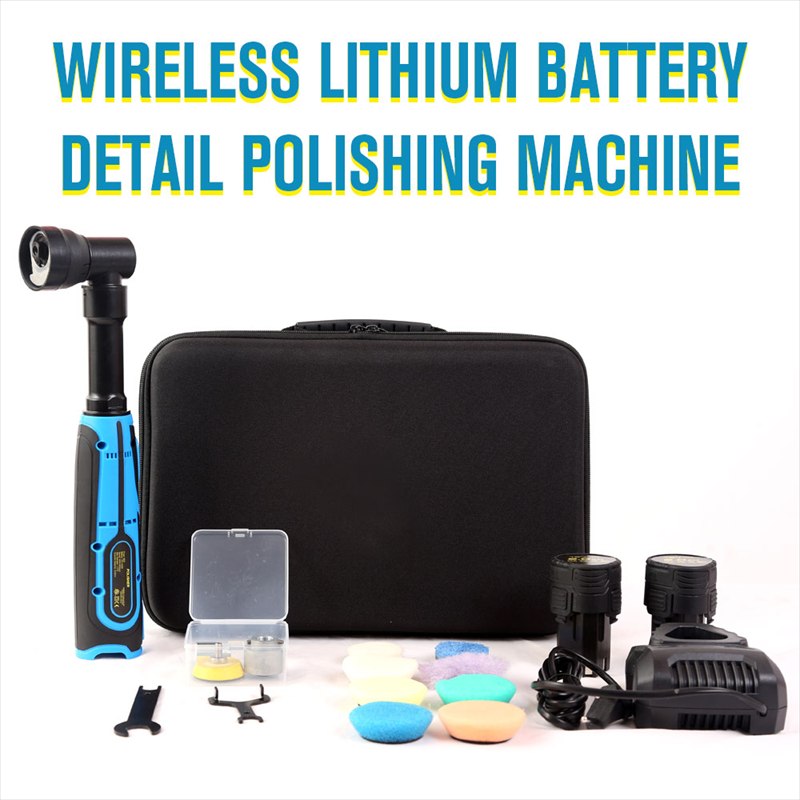
| Accessories | Backing plates, pads, handles, wrench, batteries, charger, case and spare parts |
| Branding | Housing color, printed or engraved logo and model label |
| Packaging | Color box, carrying case, inner protection, carton marking and barcode |
| Quotation details | Machine type, orbit, voltage, plug, battery set, quantity, branding and destination |
Car Polisher Sourcing and Quality Control
Machine evaluation should use defined loads, pads and compounds. Any electrical safety or conformity claim must be checked for the exact model and configuration.
Phase 1 Technical and Market Brief
Action: Confirm movement, orbit, power source, voltage, plug, accessory set, user profile, quantity and destination market.
Quality focus: Identify applicable safety, EMC, battery and transport documentation questions before model selection.
Phase 2 Manufacturer and Model Comparison
Action: Compare manufacturers by machine platform, load behavior, service parts, documentation and customization capability.
Quality focus: Review model-specific ratings and available test reports; do not transfer one model’s documents to another configuration.
Phase 3 Sample Performance Evaluation
Action: Test shortlisted machines with the same backing plate, pad, compound and working method.
Quality focus: Record speed or rotation under load, vibration, noise, housing temperature, switch operation, cable or battery behavior and handling.
Phase 4 Configuration Approval
Action: Confirm voltage, plug, battery and charger, label artwork, manual, housing color, accessories and packaging.
Quality focus: Verify that the approved bill of materials and rated information match the sample and destination requirements.
Phase 5 Pre-Shipment Inspection
Action: Arrange visual, functional and packaging checks according to the agreed scope.
Quality focus: Check model identity, ratings, operation, controls, backing plate, accessories, labels, manuals, packaging and selected functional samples.
Phase 6 Export and After-Sales Coordination
Action: Coordinate warehousing, consolidation and shipping documentation where suitable.
Quality focus: Confirm lithium-battery transport documents when applicable and maintain a clear spare-part list for the supplied model.
Why Source Car Polishers with JanetSourcing?
Model Comparison Under Practical Conditions
We help buyers look beyond wattage and speed by comparing machine movement, load behavior, vibration, heat and pad compatibility.
Market Configuration Coordination
Voltage, plug, charger, product labels, manuals and available conformity documents can be reviewed for the intended market and exact model.
Accessory and Spare-Part Planning
JanetSourcing can coordinate backing plates, pad kits, batteries, chargers, carbon brushes where applicable, cases and other service items.
Private-Label Range Support
Housing colors, logos, packaging and accessory combinations can be discussed with suitable suppliers, subject to engineering, testing and order requirements.
Frequently Asked Questions
What is the difference between DA and rotary polishers?
A free-spinning DA combines orbital movement with pad rotation, while a rotary drives direct rotation around a fixed axis. Handling, correction behavior and technique differ.
Is a 21 mm orbit always more powerful than a 15 mm orbit?
No. Orbit changes pad movement and coverage, but correction also depends on motor and drive behavior, pad rotation, pad, compound, paint and technique.
Does a brushless motor guarantee better polishing performance?
No. Brushless construction can change efficiency and maintenance, but complete machine design, electronics, gearbox, cooling and load performance determine the result.
How should cordless runtime be compared?
Use the same battery condition, pad, speed, load and test method. Runtime varies with capacity, motor demand, working pressure and temperature.
What should be tested on a car polisher sample?
Check operation under load, speed stability, vibration, noise, heat, controls, cable or battery, backing plate, balance, accessories and user handling.
Can JanetSourcing supply different plugs and voltages?
Selected suppliers can offer market-specific configurations. Availability and compliance documentation must be confirmed for the exact model and order.
Which documents may be needed for import?
Requirements vary by market and configuration and may involve electrical safety, EMC, RoHS, battery safety or transport documents. Verify current rules for the exact product.
What information is needed for a quotation?
Provide the machine type, orbit, backing plate, corded or cordless preference, voltage, plug, battery set, accessories, quantity, branding and destination market.
Request Car Polisher Sourcing Options
Send JanetSourcing your preferred machine movement, orbit, backing-plate size, power configuration, destination market, accessory set, quantity and branding requirements. We can coordinate comparable samples and model-specific documentation review.
PRODUCTS
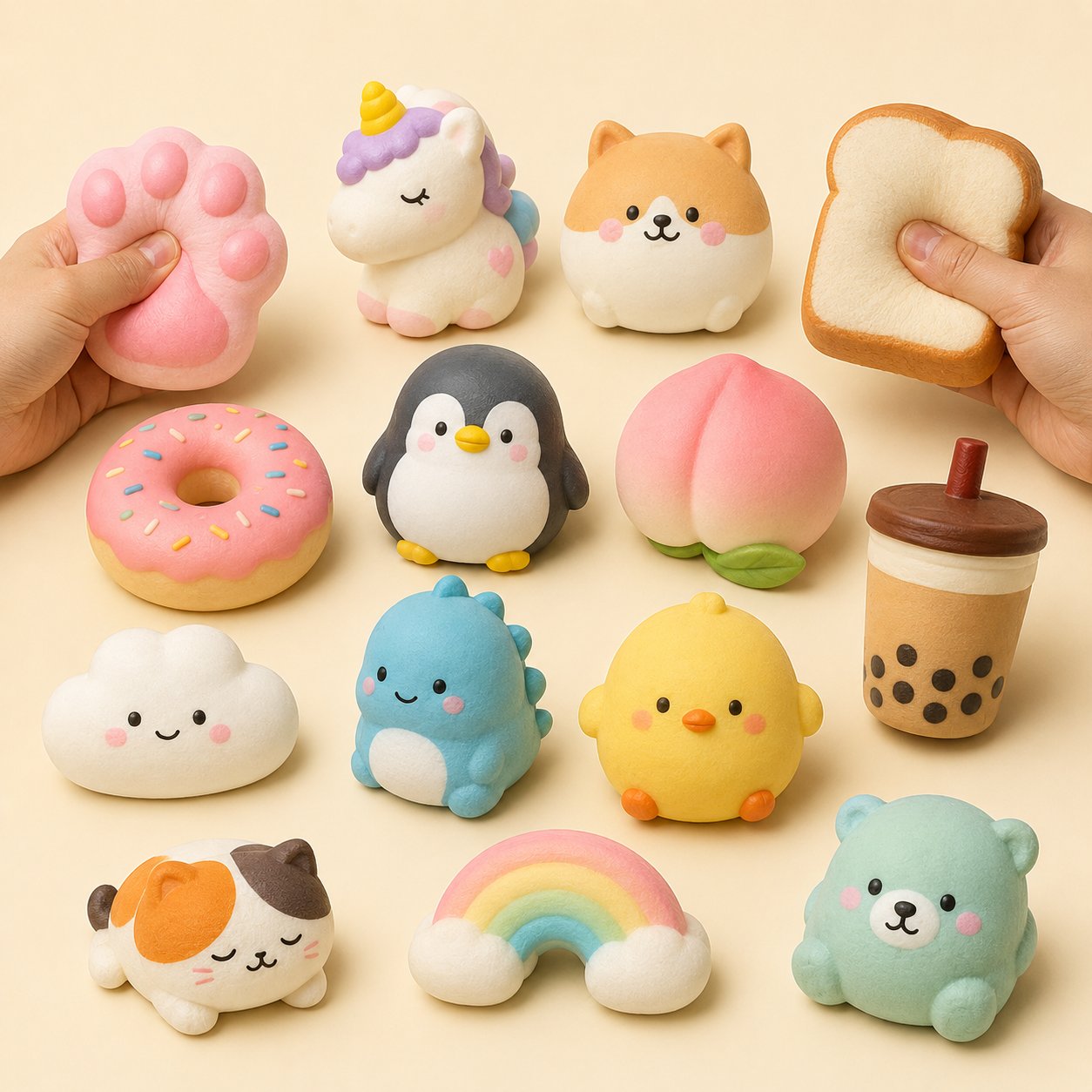
Squishy Toys
Soft and fun squishy toys designed for squeezing, stress relief and sensory play, available in various cute shapes, sizes, colors and designs for toy, gift and novelty markets.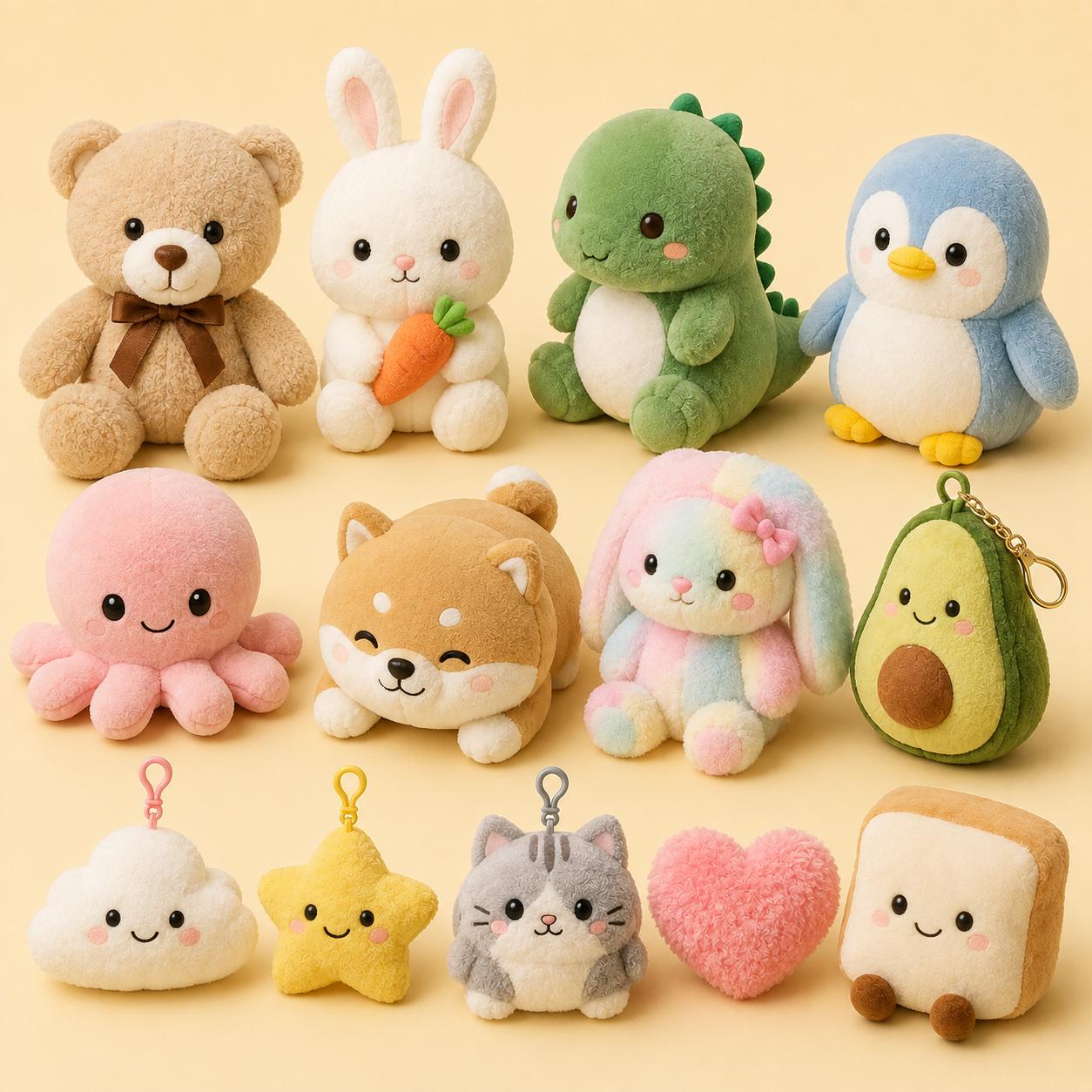
Plush & Soft Toys
Soft and cuddly plush toys designed for play, comfort, decoration and gifting, available in various animals, characters, sizes, fabrics and designs for toy, gift and promotional markets.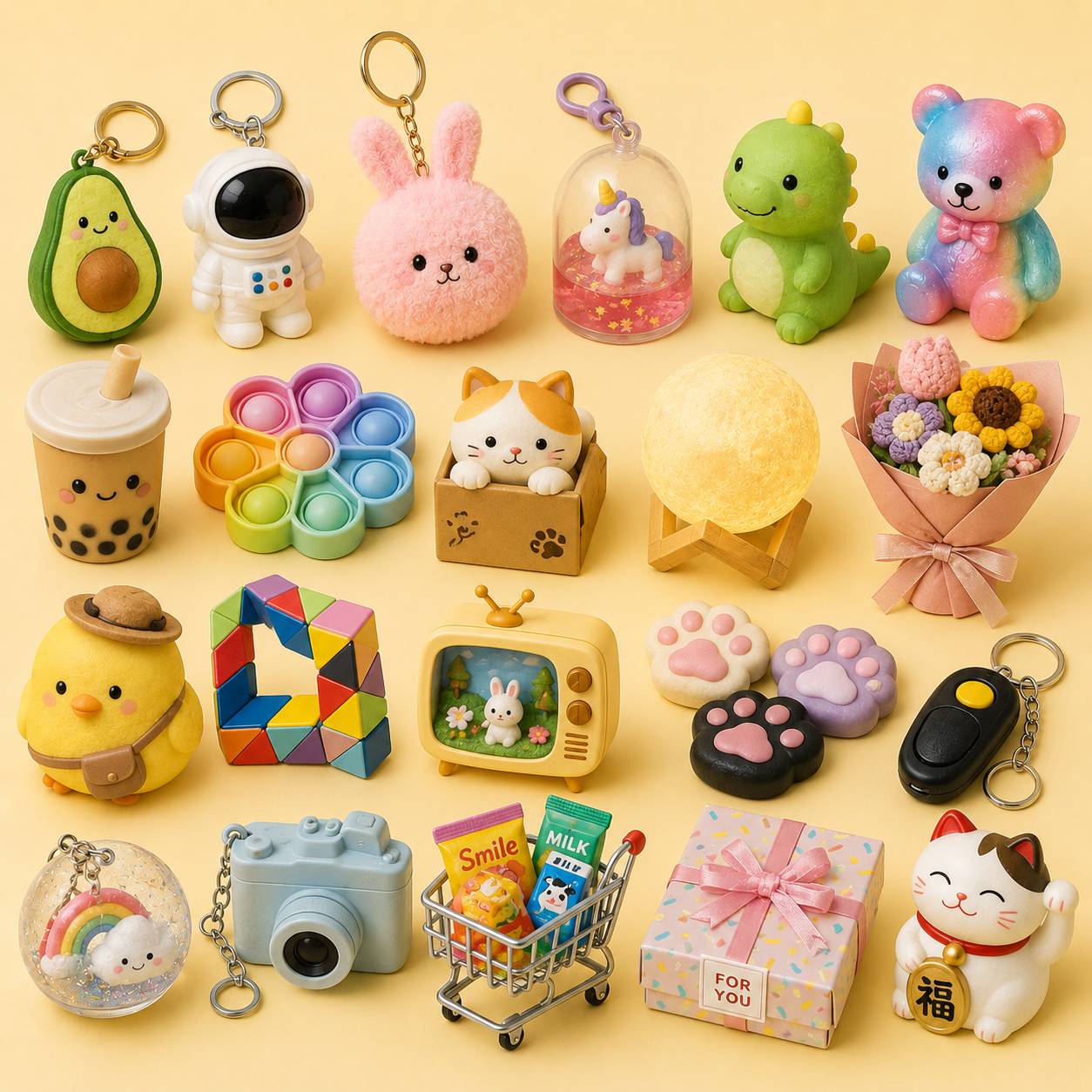
Novelty & Gift Items
Creative and eye-catching novelty and gift items designed for gifting, entertainment, decoration and impulse purchases, available in various fun, practical and trendy designs for gift, retail and promotional markets.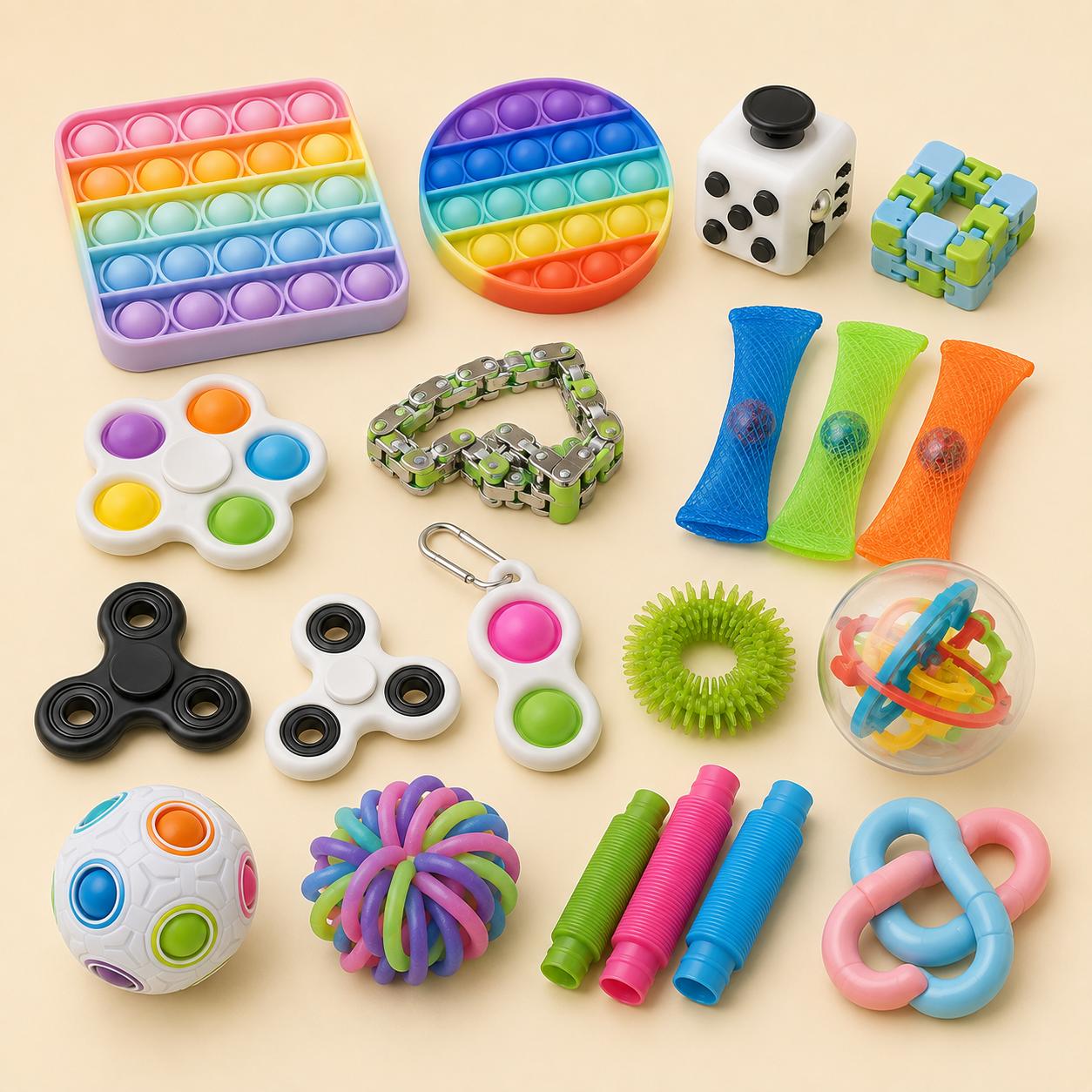
Fidget & Sensory Toys
Fun and engaging fidget and sensory toys designed for stress relief, sensory stimulation and interactive play, available in various shapes, materials, colors and designs for toy, gift and educational markets.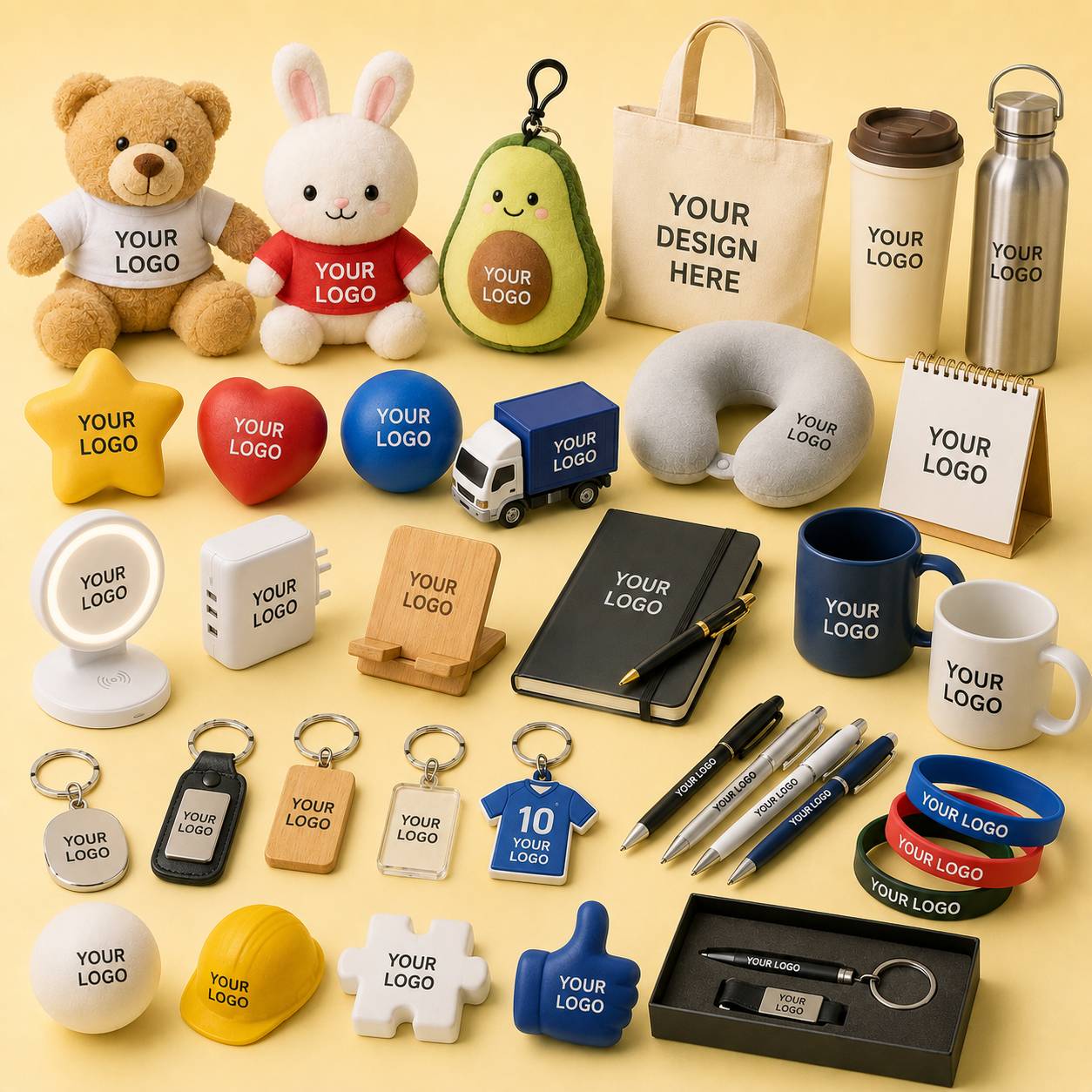
Custom & Promotional Gifts
Customized gift and promotional products designed for brand promotion, corporate events, marketing campaigns and special occasions, with flexible options for custom logos, colors, designs, packaging and private-label solutions.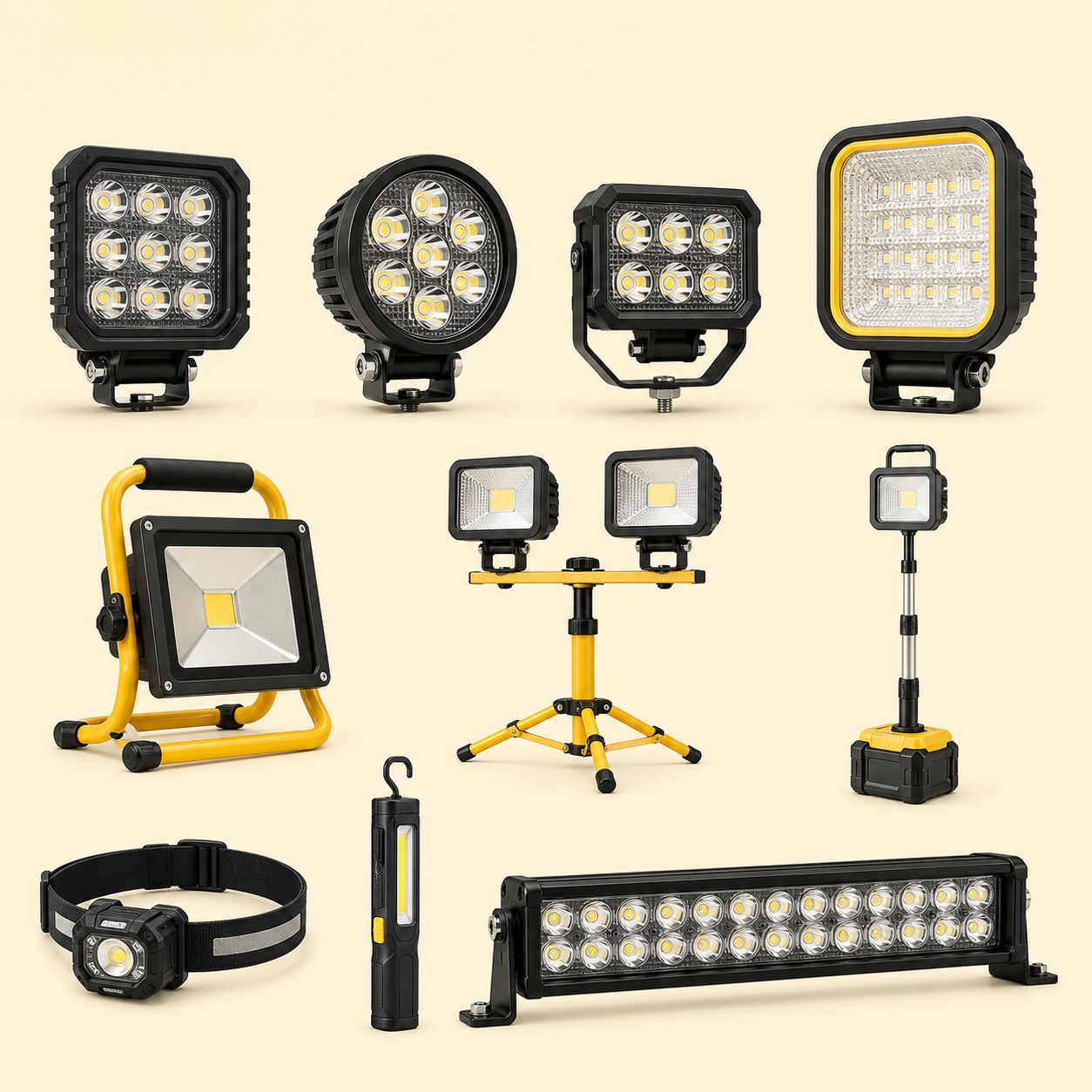
Workshop Lights
Bright and reliable workshop lights for clear illumination in garages, workshops and maintenance areas, available in various portable, rechargeable and adjustable designs for professional use.

TELL US ABOUT YOUR SOURCING NEEDS
Please fill out the form below and we will get back to you as soon as possible.