
- Home
- Products
- Car Detailing Products
- Detailing Brushes
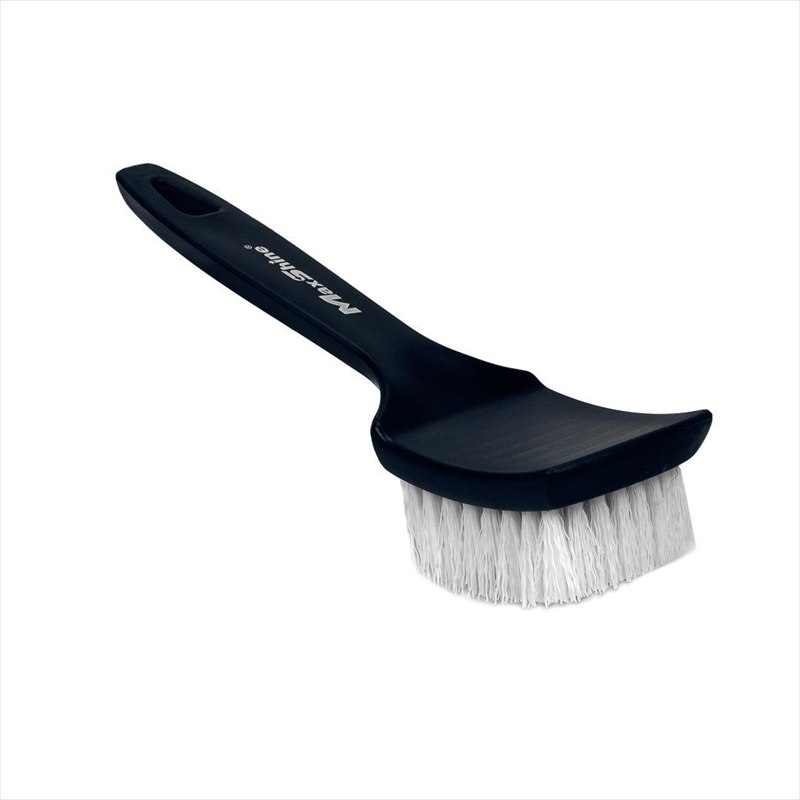
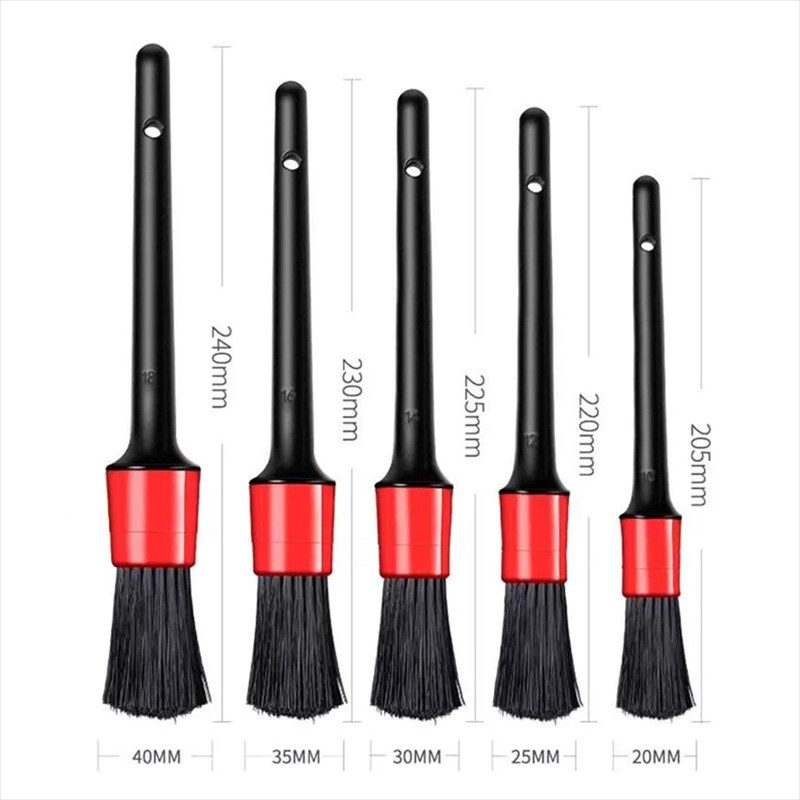
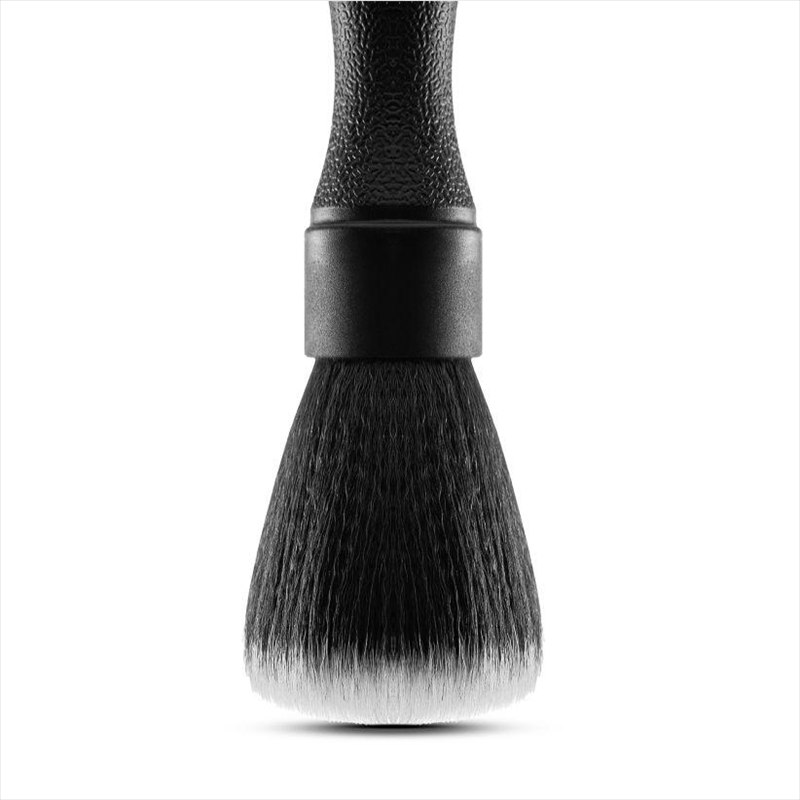
Detailing Brushes
Product Details
Detailing Brushes Product Overview
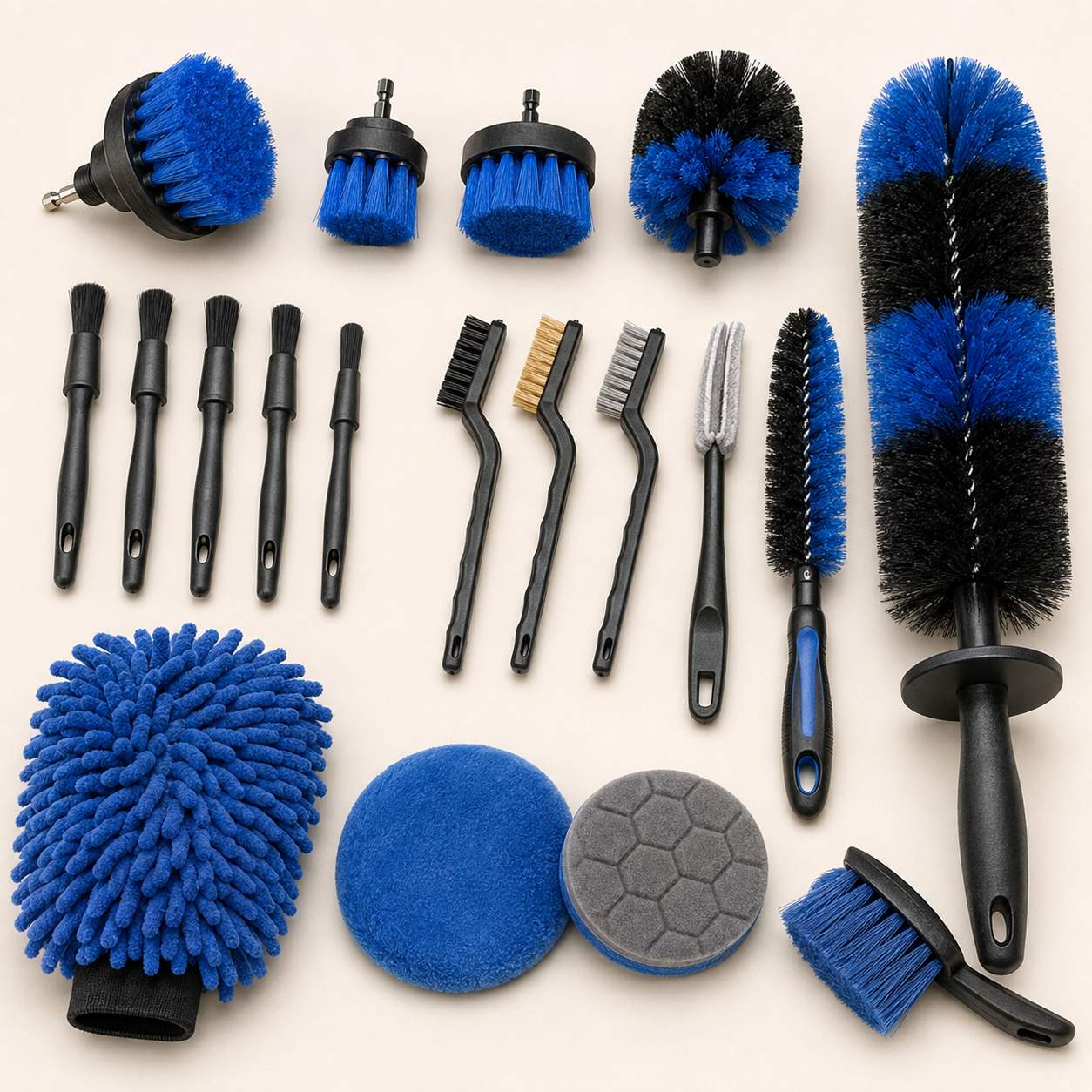
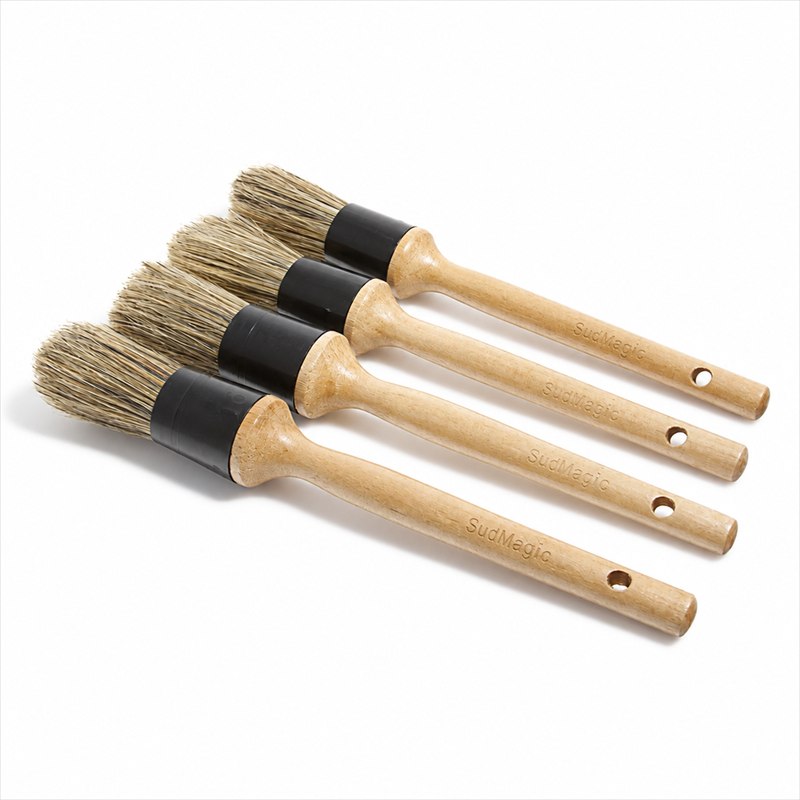
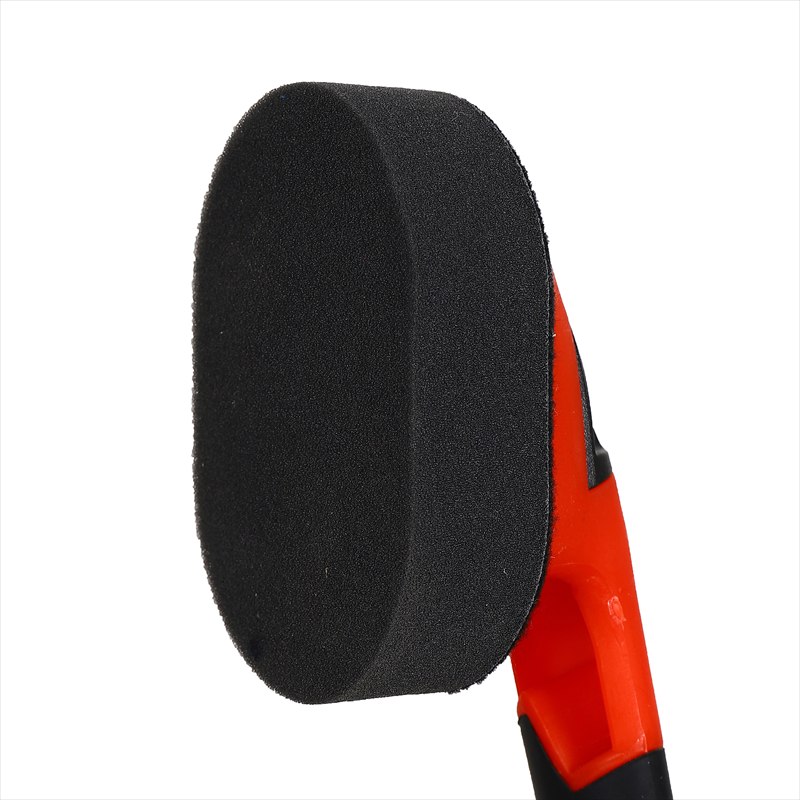
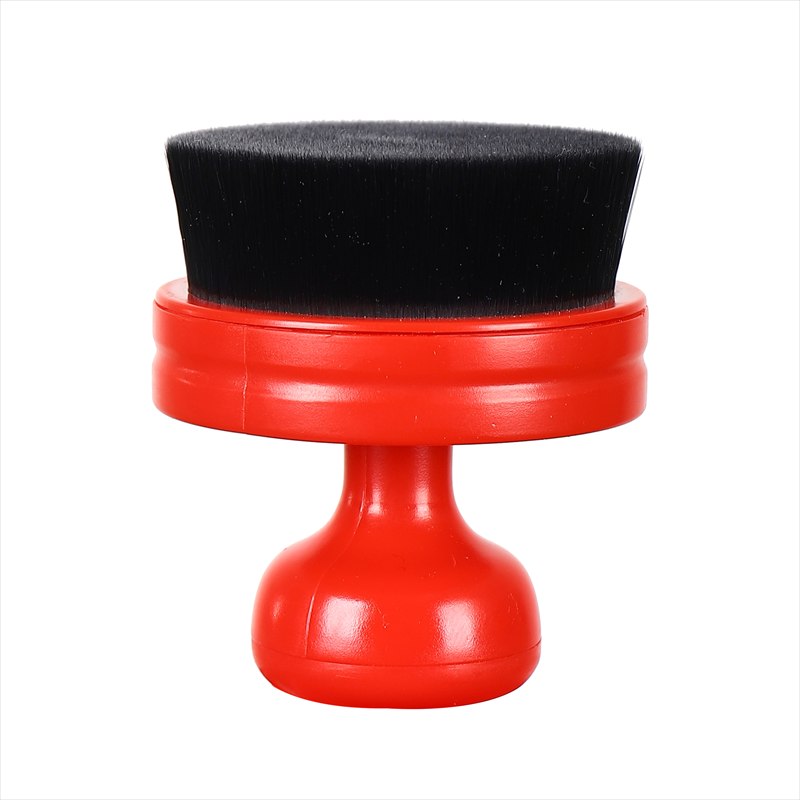
Detailing brushes provide controlled agitation around vents, buttons, grilles, emblems, wheel nuts, tire sidewalls and other areas that are difficult to clean with a towel or wash mitt. The same brush should not be used indiscriminately: filament material, diameter, length, density and tip treatment influence softness, cleaning action and durability.
JanetSourcing helps car care brands and distributors compare brush suppliers, coordinate samples and develop individual brushes or coordinated sets. Specifications can cover bristle construction, stiffness reference, head size, handle material, chemical exposure, logo method and retail packaging.
What Problems Can the Right Detailing Brush Solve?
A product range should match brush construction to the intended surface and contamination. Softness alone is not a complete quality measure.
Dust in Vents and Tight Gaps
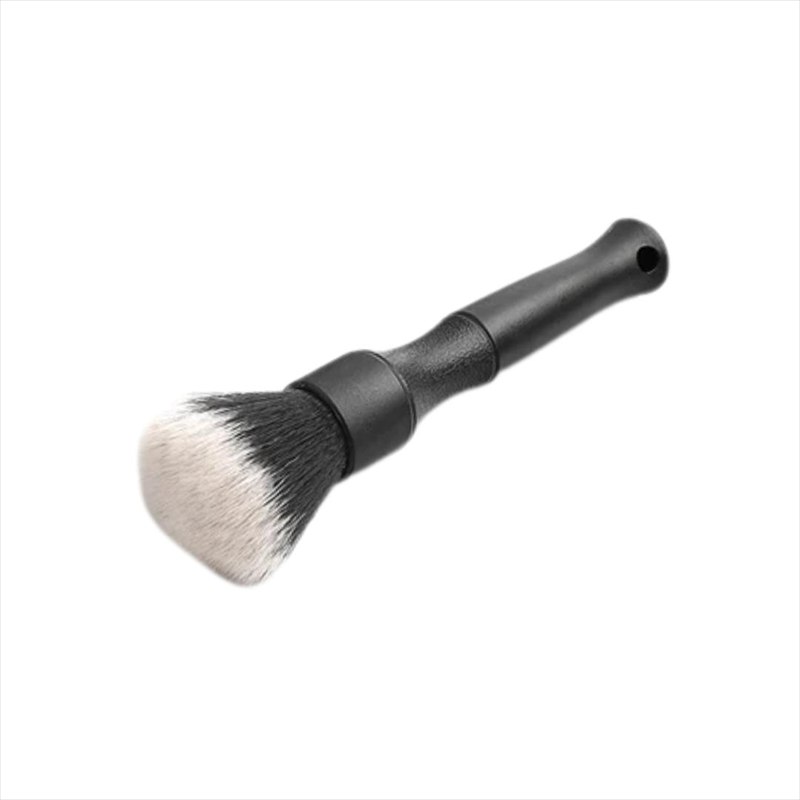
Small brush heads and flexible fine filaments can reach switches, vents and narrow trim gaps where larger tools offer limited control.
Surface Marking on Sensitive Trim
Rough filament ends, abrasive contamination or excessive pressure can mark glossy or delicate surfaces. Sample evaluation should include tip finish, cleanliness and handling, even for products described as ultra-soft.
Weak Cleaning on Tires or Durable Surfaces
A very soft interior brush may not provide enough agitation for tire sidewalls. Medium or stiff constructions may be more suitable on compatible durable materials.
Bristle Shedding
Poor bristle retention can leave fibers on the vehicle and shorten product life. Brush-head assembly and pull-out resistance should be evaluated with an agreed method.
Cross-Contamination
Using one brush for interiors, wheels and engine bays can transfer abrasive dirt and chemicals. Color-coded or clearly labeled sets help users separate tasks.
How to Choose Automotive Detailing Brushes
Select the brush after identifying the surface, contamination, cleaner and access requirement. Test any brush on an inconspicuous area before use on a sensitive finish.
Interior and Vent Brushes
Fine synthetic filaments and compact heads can support controlled cleaning around dashboards, switches and vents. The term ultra-soft is not standardized, so buyers should compare samples rather than the label alone.
Wheel and Wheel-Nut Brushes
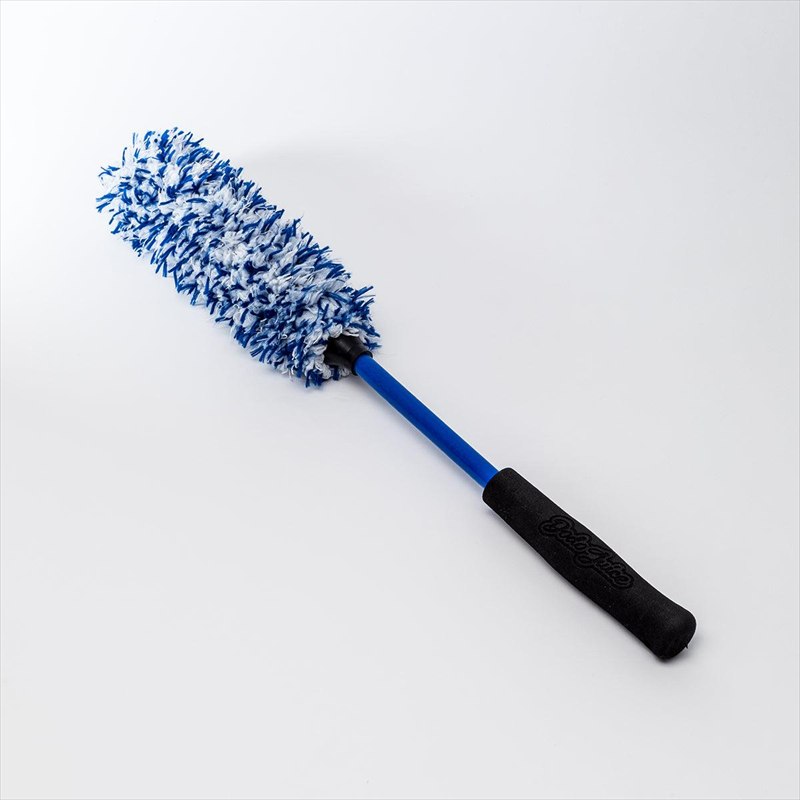
Reach, shaft protection, bristle retention and chemical compatibility matter for wheel work. Brush construction should be checked against the intended wheel finish and cleaner.
Tire Brushes
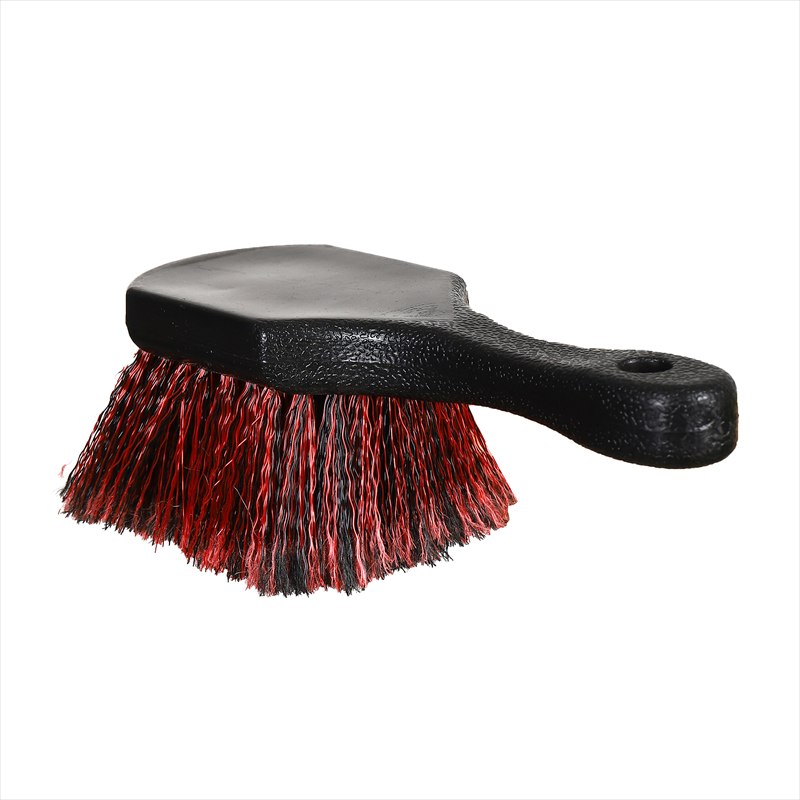
Medium or stiff bristles can provide stronger agitation on compatible rubber surfaces. A tire brush should be kept separate from paint and interior tools.
Engine-Bay and Exterior Brushes
Medium filaments may suit selected grilles, emblems and engine-bay areas. Handles and ferrules should tolerate the intended cleaner and working environment.
Natural, Nylon, PP and PET Filaments
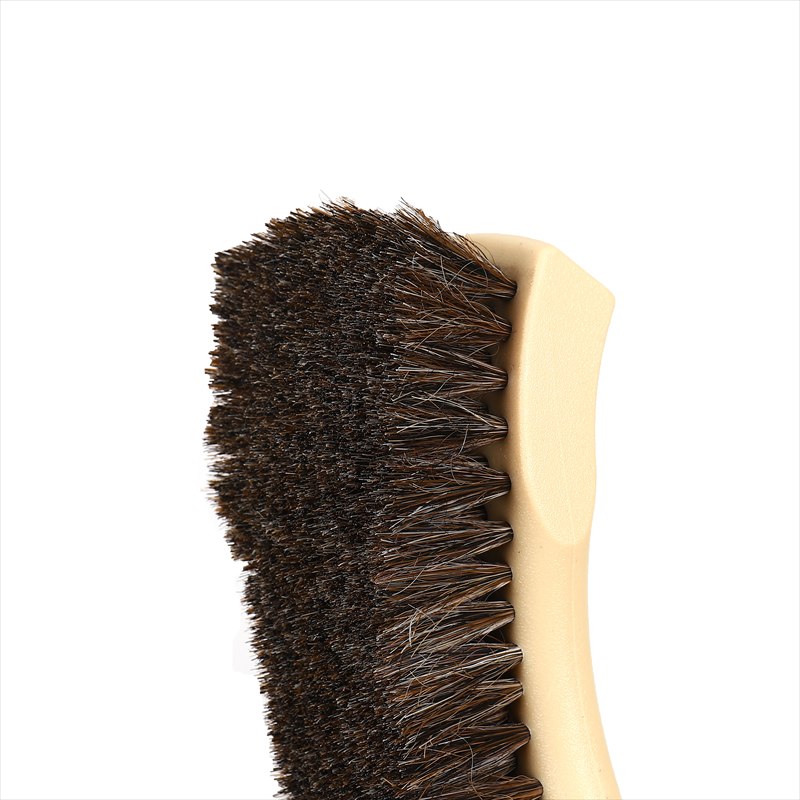
Each material can be produced in different diameters, lengths and treatments. General material names do not determine final softness or chemical resistance; complete filament and brush construction must be compared.
Detailing Brush Specifications and Customization Options
Use an approved brush as the stiffness and workmanship reference where a standardized test is unavailable. Exact customization depends on the selected supplier and quantity.
| Item | Options or Confirmation Points |
|---|---|
| Application | Interior, vents, leather, exterior detail, wheels, tires or engine bay |
| Bristle material | Natural bristle or specified synthetic filament such as nylon, PP or PET |
| Bristle construction | Filament diameter, length, density, tip treatment and color |
| Stiffness | Ultra-soft, soft, medium or stiff, confirmed against sample or test method |
| Dimensions | Overall length, head diameter, bristle length and tolerance |
| Handle | PP, ABS, TPR, wood or another confirmed material; grip and molding finish |
| Chemical environment | Actual cleaner, concentration, contact time and rinse method |
| Set configuration | Single brush, interior set, multi-purpose set or wheel-cleaning set |
| Branding and packaging | Print, engraving, embossing, storage bag, card, box, barcode and carton mark |
| Quotation details | Applications, sizes, bristles, quantities, logo, packaging and destination |
Detailing Brush Sourcing and Quality Control
Inspection criteria should vary by brush type. A tire brush and an interior brush require different stiffness, tip and chemical checks.
Phase 1 Brush Range Brief
Action: Define target surfaces, cleaners, brush sizes, set composition, quantities and brand positioning.
Quality focus: Separate delicate-surface, wheel, tire and engine-bay requirements to avoid ambiguous one-brush-fits-all specifications.
Phase 2 Supplier Matching
Action: Compare manufacturers by filament capability, brush-head assembly, handle options and set packaging.
Quality focus: Confirm whether requested bristles and logo methods are available for the order size.
Phase 3 Sample Review
Action: Arrange samples for handling, surface-contact and chemical-exposure evaluation.
Quality focus: Check stiffness, tip finish, bristle shedding, dimensions, grip, molding defects and attachment stability.
Phase 4 Set and Artwork Approval
Action: Confirm brush combinations, color coding, logos, labels, storage bags and retail packaging.
Quality focus: Make sure each brush is identifiable and the approved sample is recorded for production reference.
Phase 5 Pre-Shipment Inspection
Action: Arrange inspection against the confirmed specification and packaging list.
Quality focus: Sample-check bristle material and appearance, shedding, trimming, head dimensions, handle finish, set quantities, labels and cartons.
Phase 6 Multi-Product Consolidation
Action: Coordinate brushes with towels, sprayers and other detailing accessories where requested.
Quality focus: Verify set composition and prevent mixing of visually similar variants during receiving and packing.
Why Source Detailing Brushes with JanetSourcing?
Application-Based Brush Matching
We help buyers define brushes by surface, access and cleaner instead of selecting only by color or catalog appearance.
Sample Comparison for Softness and Shedding
Representative brushes can be compared for filament feel, tip finish, retention and handle quality before a range is approved.
Custom Set Coordination
JanetSourcing can coordinate interior, multi-purpose or wheel-cleaning sets with color coding, logos, storage and retail packaging.
Consolidated Car Care Range
Brushes from specialized suppliers can be coordinated with other detailing products and consolidated where appropriate.
Frequently Asked Questions
Are natural bristles always safer for delicate surfaces?
No. Flexibility and tip quality vary by material and processing. Evaluate the actual brush on the intended surface and with the intended cleaner.
What does ultra-soft mean for a detailing brush?
Ultra-soft is a descriptive term, not a universal specification. Confirm filament construction and compare physical samples using an agreed reference.
Can a soft brush still scratch a surface?
Yes. Trapped abrasive particles, rough tips or excessive pressure can cause marking. Keep brushes clean and test sensitive surfaces first.
Which brush is suitable for tires?
A medium or stiff brush may suit compatible tire rubber, but the right choice depends on the tire surface, cleaner and desired agitation.
How is bristle shedding evaluated?
Buyers can agree on visual checks and a pull or use-cycle method with the supplier. The method and acceptance limit should be documented before production.
Can JanetSourcing build a custom brush set?
Yes, subject to product and supplier requirements. Brushes can be combined by application, size, stiffness, color and packaging format.
What should be inspected in a bulk order?
Typical checks include bristle appearance and retention, stiffness reference, dimensions, handle molding, head attachment, logo, set quantity and packaging.
What information is needed for a quotation?
Provide the target surfaces, bristle materials and stiffness, brush dimensions, chemical use, set composition, colors, logo, packaging, quantities and destination.
Build a Detailing Brush Range
Send JanetSourcing your intended interior, wheel, tire or engine-bay applications, preferred sizes, bristle requirements, set quantities and packaging concept. Product photos or reference samples can make supplier comparison more precise.
PRODUCTS
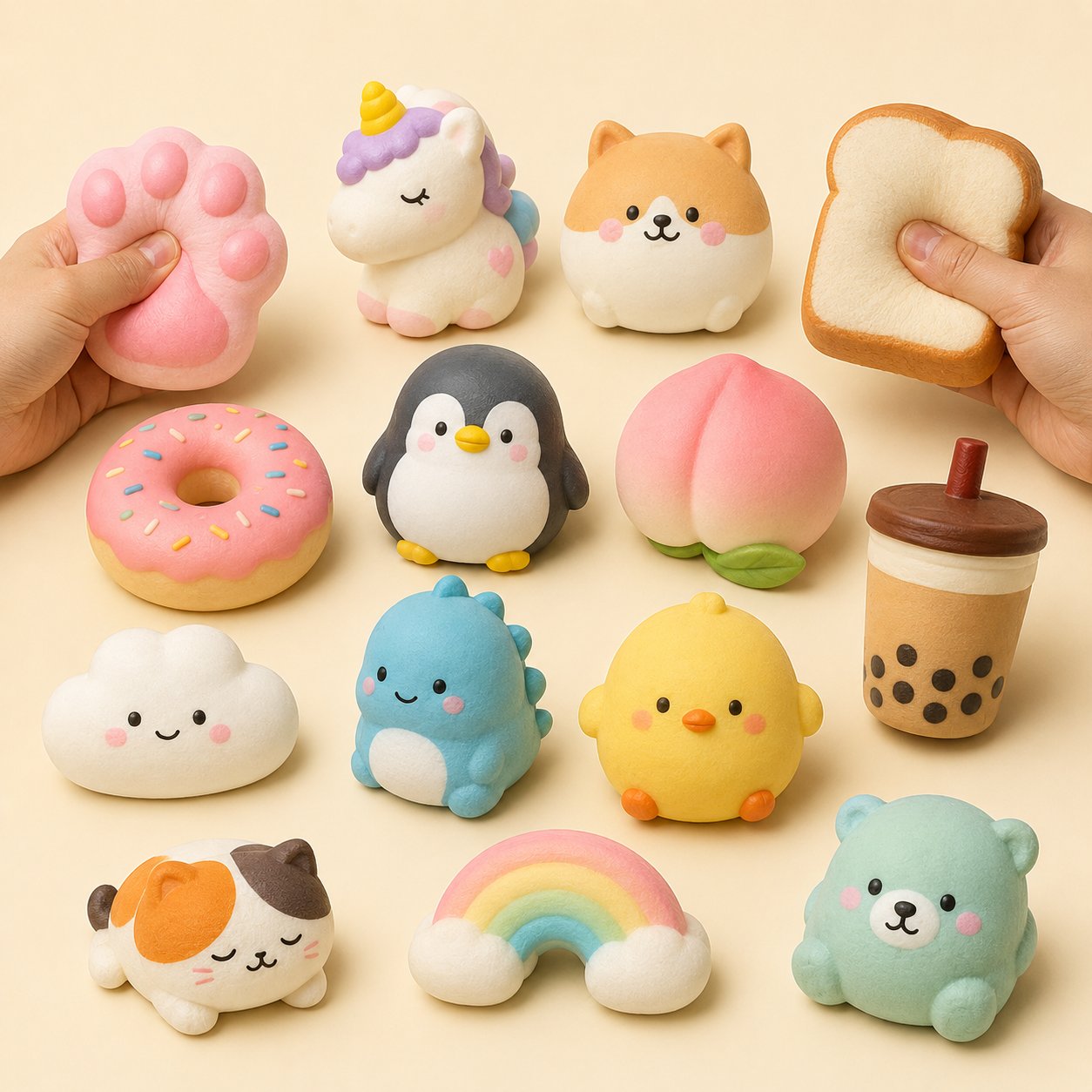
Squishy Toys
Soft and fun squishy toys designed for squeezing, stress relief and sensory play, available in various cute shapes, sizes, colors and designs for toy, gift and novelty markets.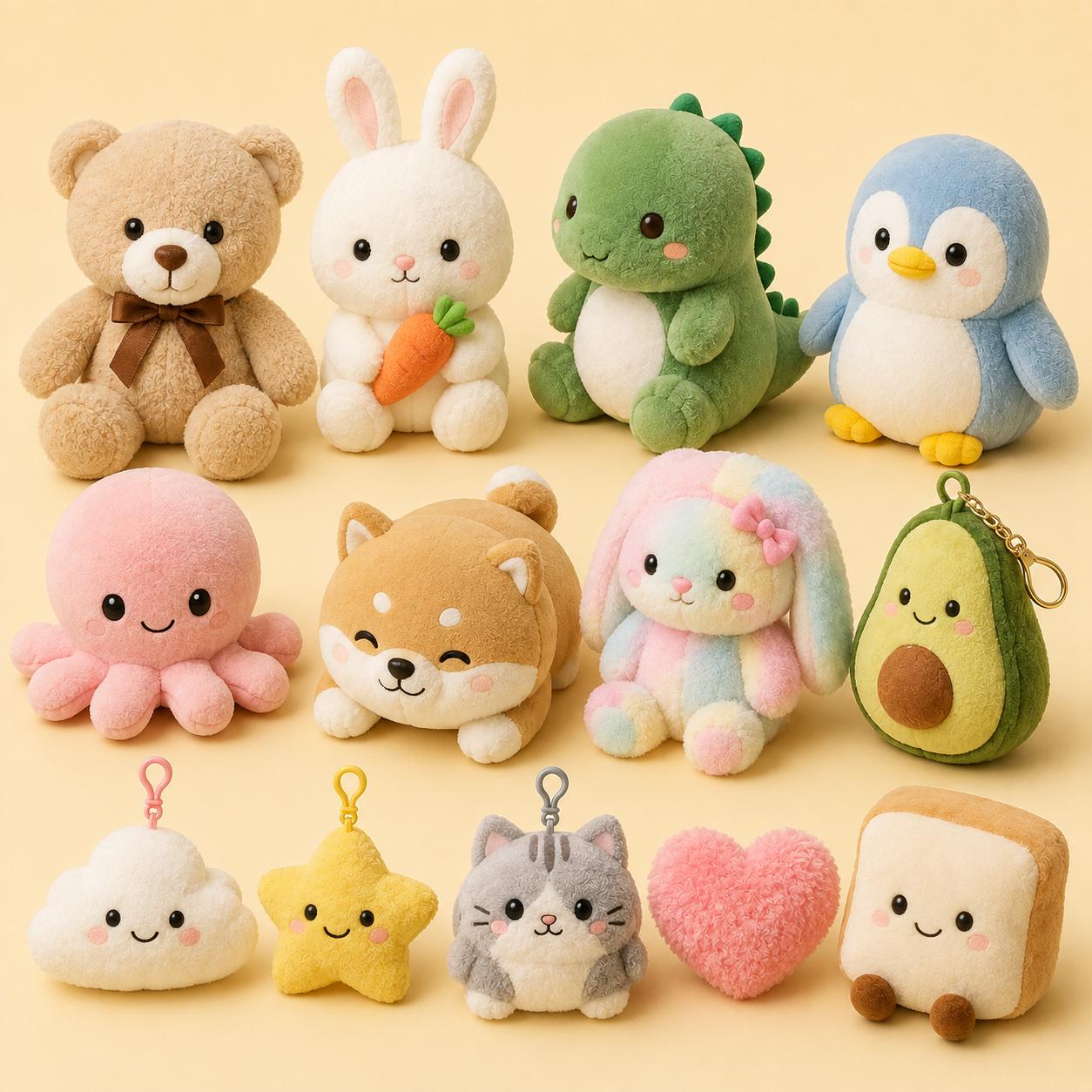
Plush & Soft Toys
Soft and cuddly plush toys designed for play, comfort, decoration and gifting, available in various animals, characters, sizes, fabrics and designs for toy, gift and promotional markets.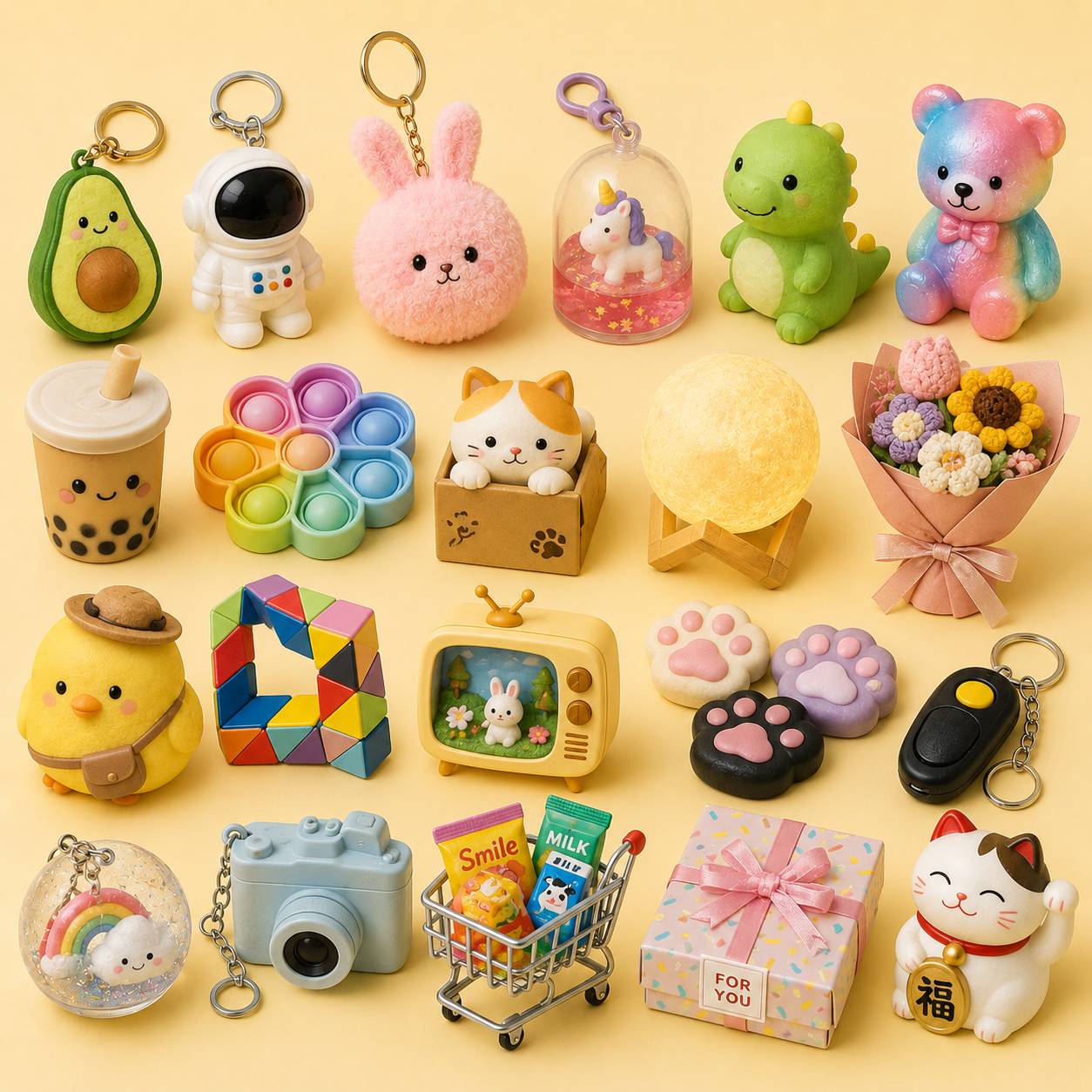
Novelty & Gift Items
Creative and eye-catching novelty and gift items designed for gifting, entertainment, decoration and impulse purchases, available in various fun, practical and trendy designs for gift, retail and promotional markets.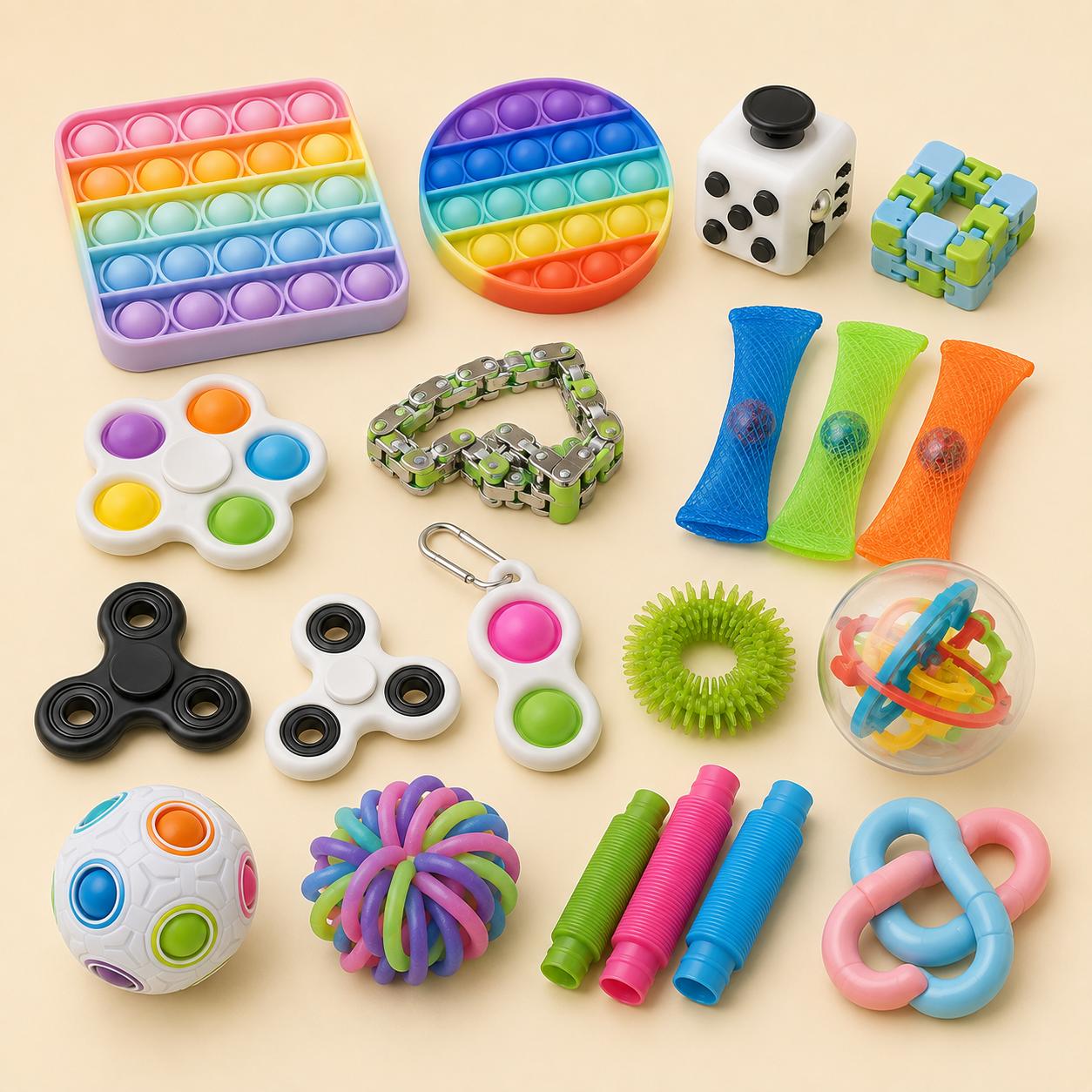
Fidget & Sensory Toys
Fun and engaging fidget and sensory toys designed for stress relief, sensory stimulation and interactive play, available in various shapes, materials, colors and designs for toy, gift and educational markets.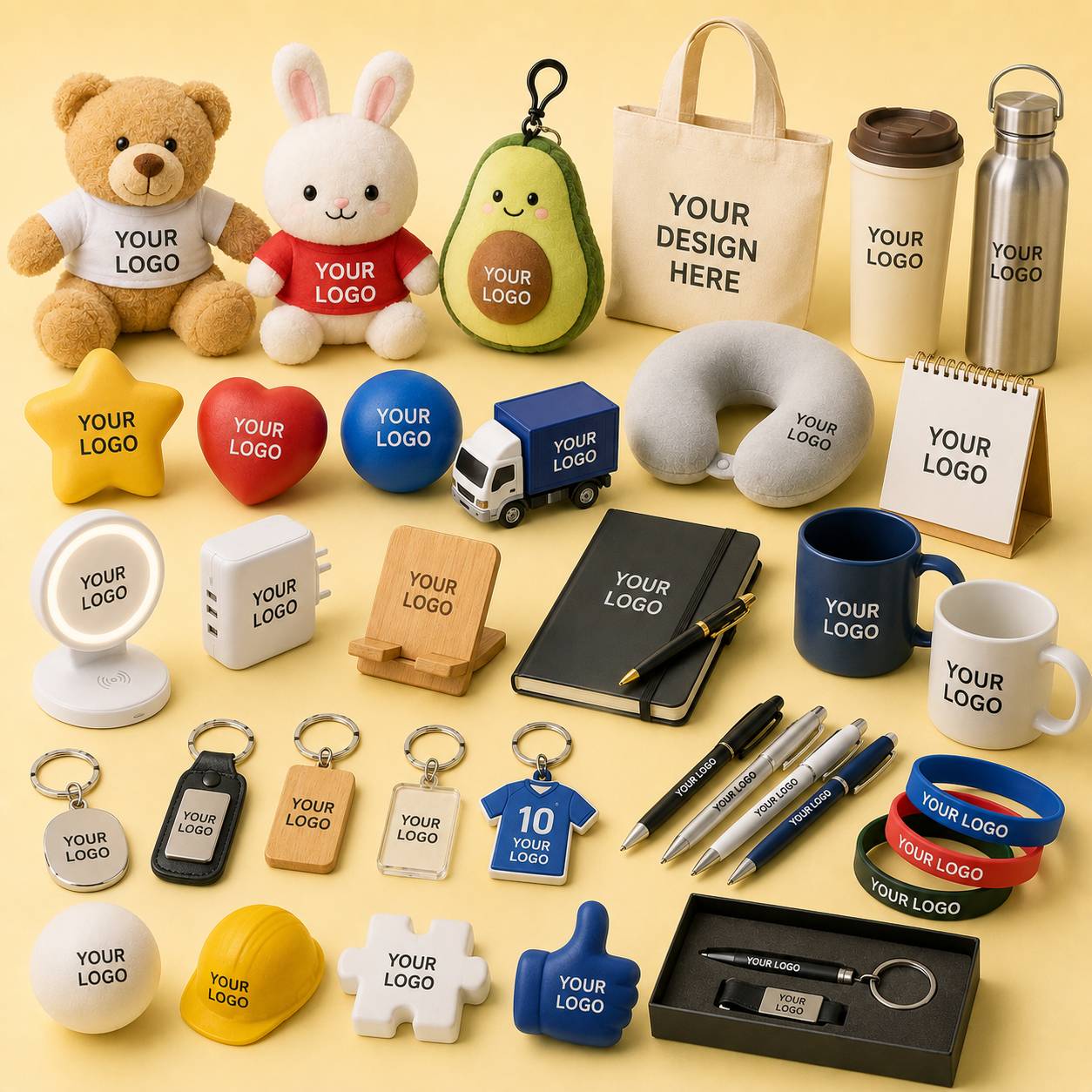
Custom & Promotional Gifts
Customized gift and promotional products designed for brand promotion, corporate events, marketing campaigns and special occasions, with flexible options for custom logos, colors, designs, packaging and private-label solutions.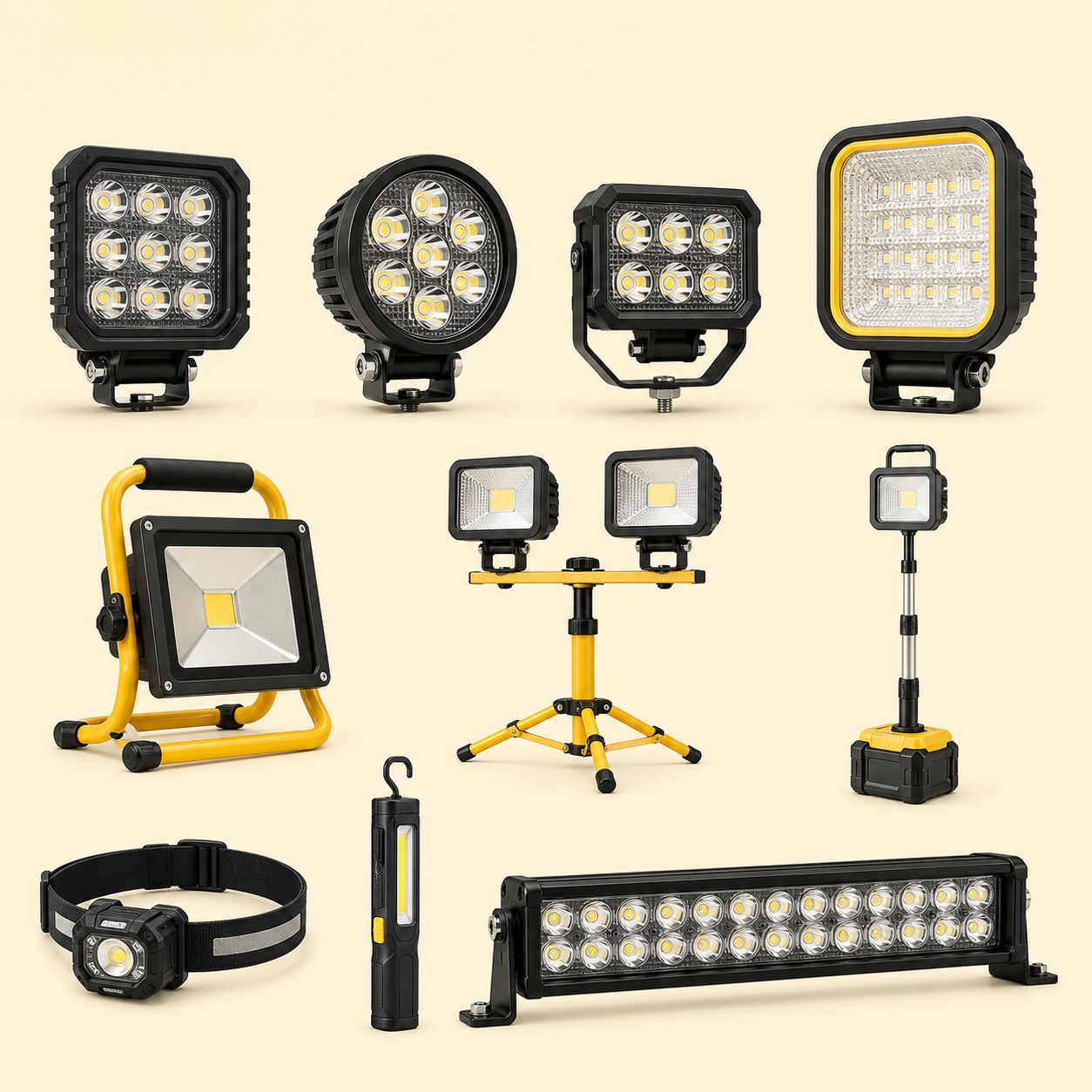
Workshop Lights
Bright and reliable workshop lights for clear illumination in garages, workshops and maintenance areas, available in various portable, rechargeable and adjustable designs for professional use.

TELL US ABOUT YOUR SOURCING NEEDS
Please fill out the form below and we will get back to you as soon as possible.