
- Home
- Products
- Car Detailing Products
- Polishing Pads
Polishing Pads
Product Details
Polishing Pads Product Overview
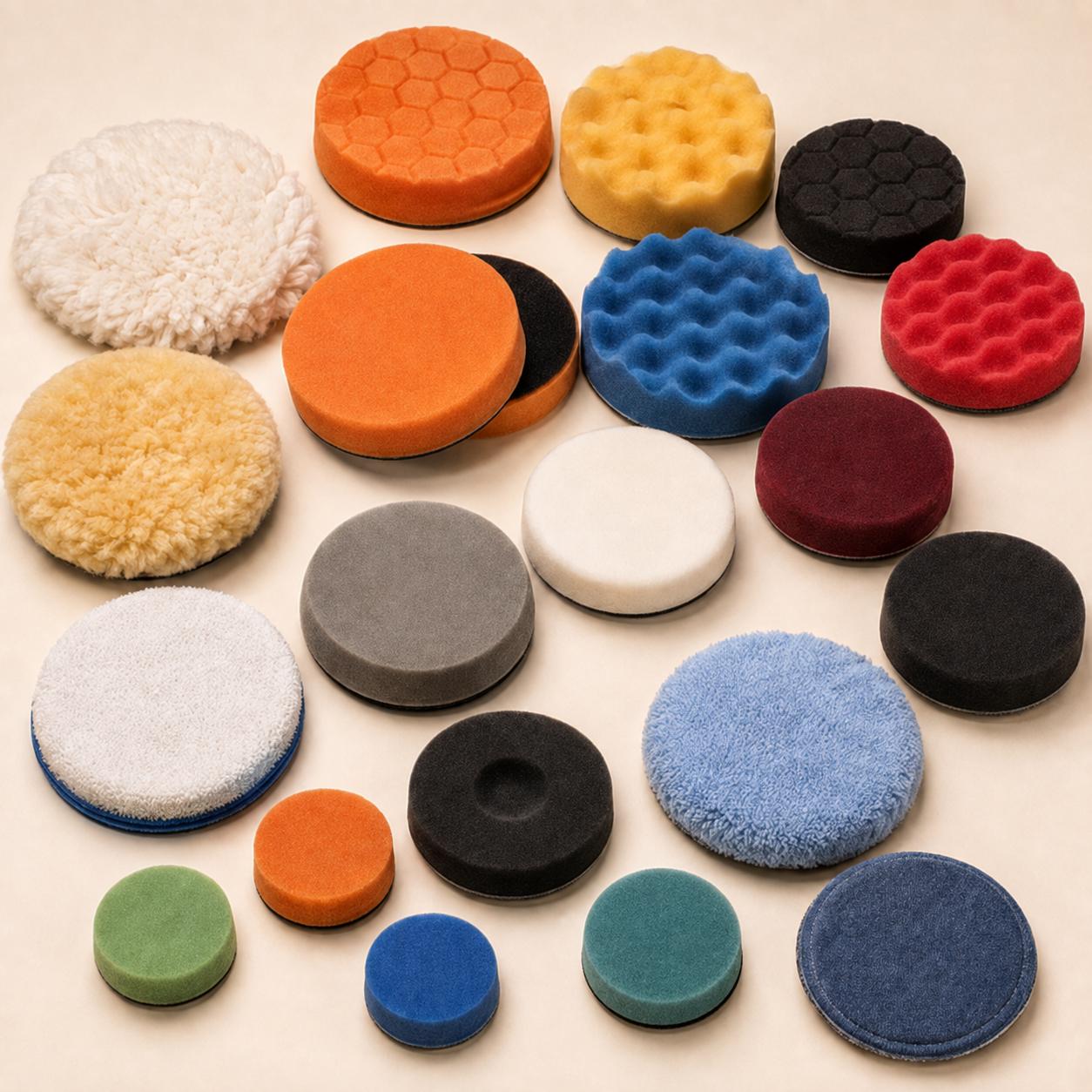
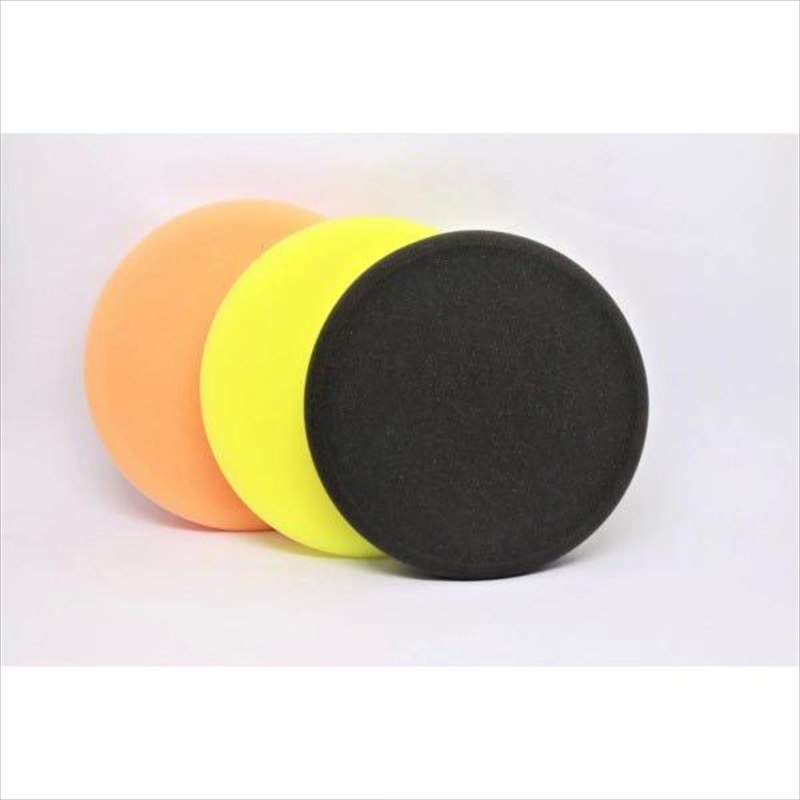
Automotive polishing pads transfer the movement of a polisher and the action of a compound to the paint surface. Foam, wool and microfiber constructions can behave differently in cutting, refinement, heat generation and residue loading, so a pad should be selected as part of a complete system rather than by color alone.
JanetSourcing helps detailing brands, distributors and importers compare manufacturers, coordinate samples and confirm bulk-order requirements. The sourcing brief can cover pad material, cutting level, dimensions, surface profile, backing construction, machine type, branding and packaging.
What Problems Can the Right Polishing Pad Solve?
A well-matched pad helps the operator reach the required correction level while controlling finish quality, handling and consumable cost. The following issues should be evaluated with the compound, machine and paint system in mind.
Insufficient Defect Removal
A finishing pad may not provide enough mechanical action for oxidation, visible swirl marks or selected sanding marks. A suitable cutting pad, used with an appropriate compound and technique, can improve correction efficiency.
Haze After Heavy Correction
Aggressive correction can leave haze or polishing marks on some paint systems. A staged process using a medium or fine pad can refine the surface after the initial cutting step.
Excessive Heat or Unstable Handling
Pad thickness, profile, material and machine movement all affect working temperature and control. Buyers should test the proposed pad on the intended rotary, free-spinning DA or forced-rotation machine instead of assuming universal compatibility.
Pad Separation or Early Wear
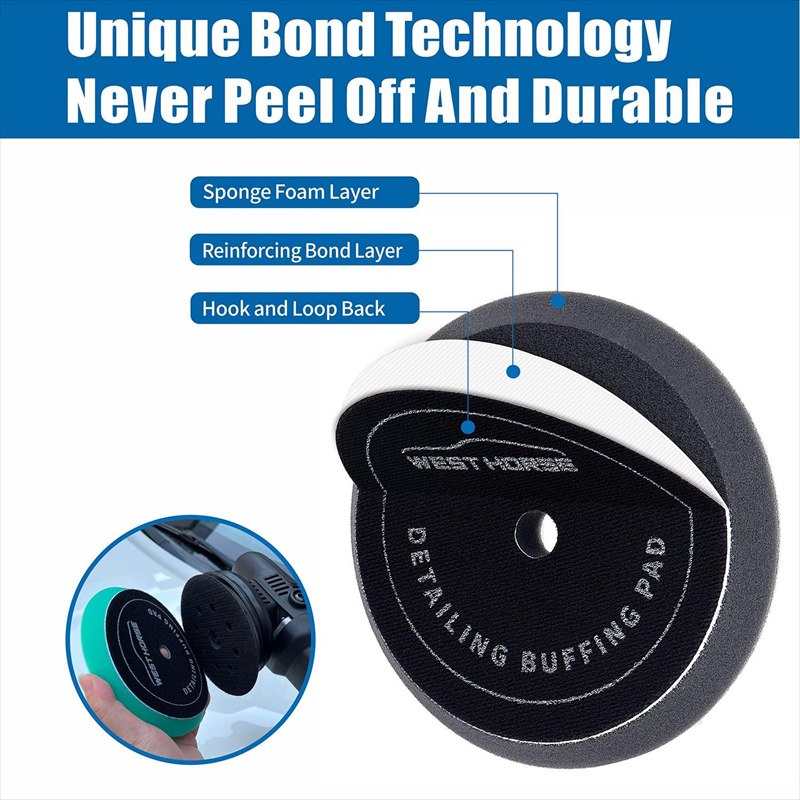
Weak bonding between the polishing material and hook-and-loop backing can lead to lifting or delamination. Bonding quality, edge finish and durability under the intended operating conditions should be checked on representative samples.
Inconsistent Cutting Levels Across Orders
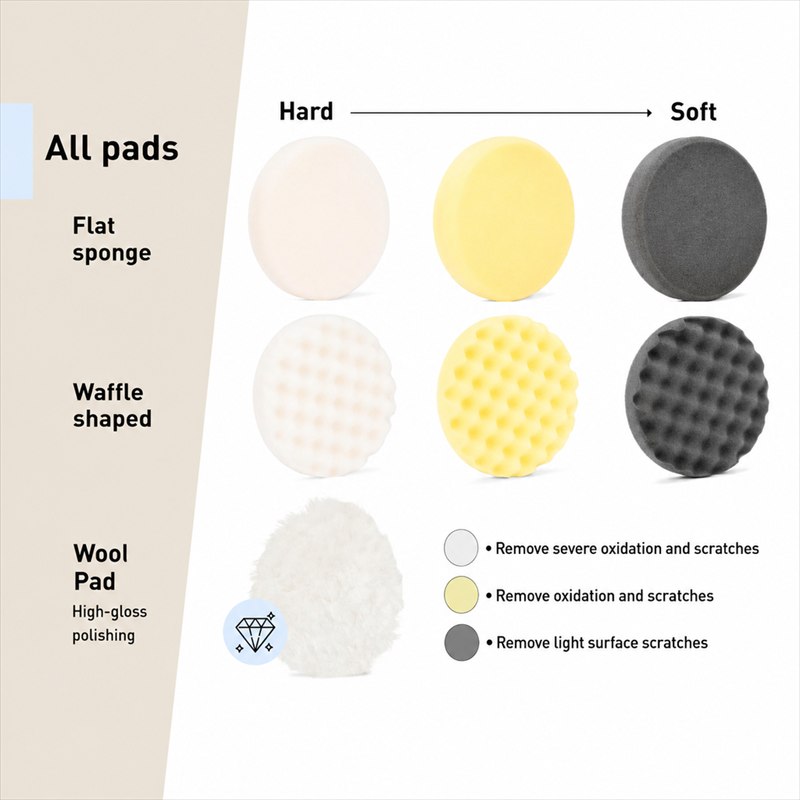
Pad color is not an industry-wide hardness standard. Approved reference samples and agreed specifications for material, density, hardness, thickness and construction provide a clearer basis for repeat purchasing.
How to Choose Polishing Pads
Start with the least aggressive pad and compound combination likely to achieve the required result, then test it on a small area. Pad selection should reflect the paint condition, desired finish, machine movement and backing plate.
Foam Polishing Pads
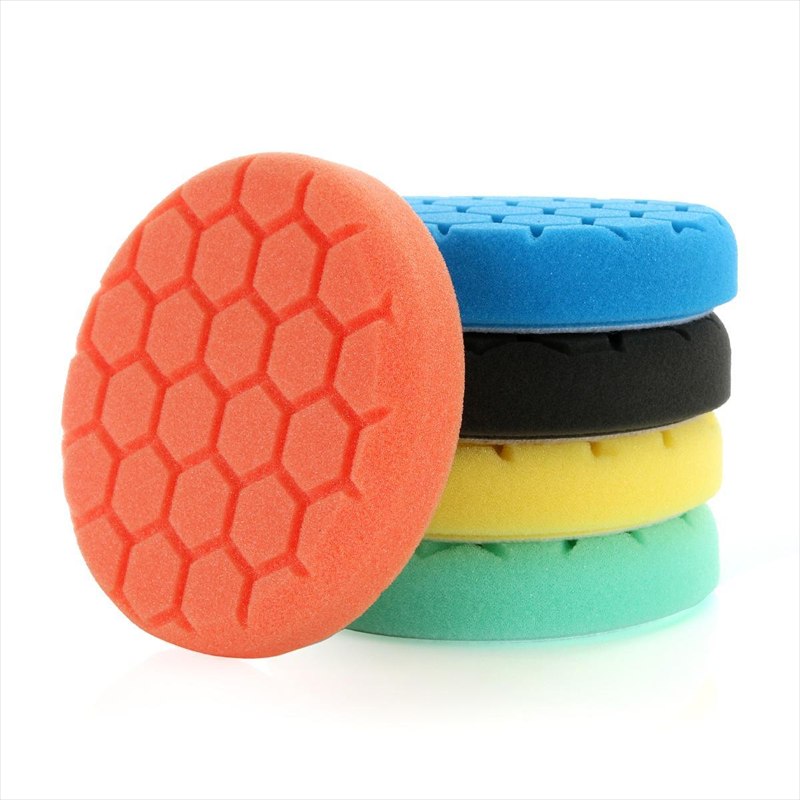
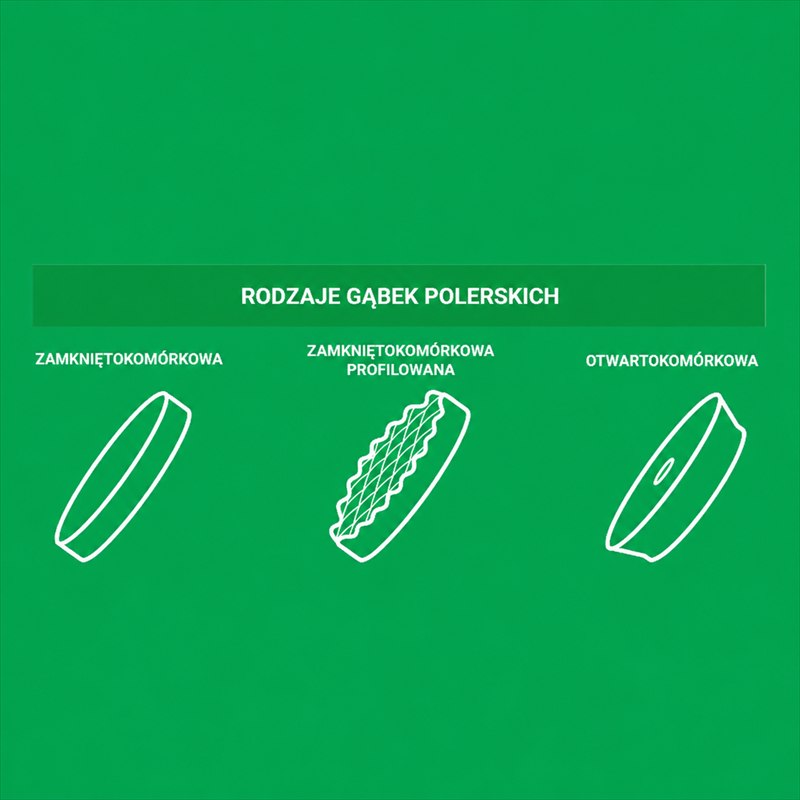
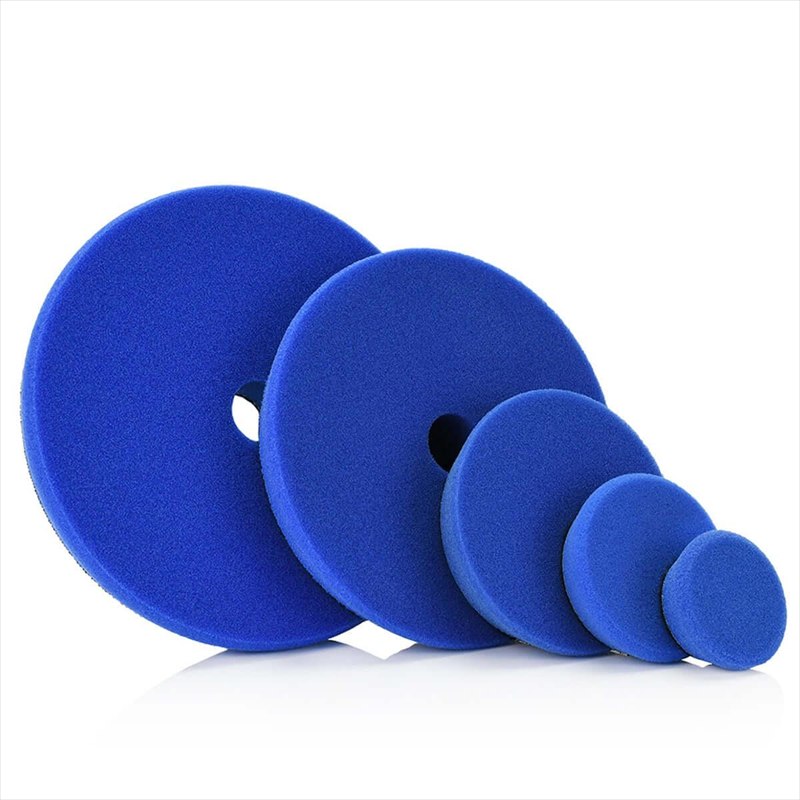
Foam pads are available in different hardness levels, densities, cell structures, thicknesses and surface profiles. They can cover cutting, polishing and finishing roles, but foam density and foam hardness are different properties and should not be treated as interchangeable.
Wool Polishing Pads
Wool pads are often considered for demanding correction work. Their actual cut and finish depend on fiber type, construction, compound and machine, and an additional refinement step may be required.
Microfiber Polishing Pads
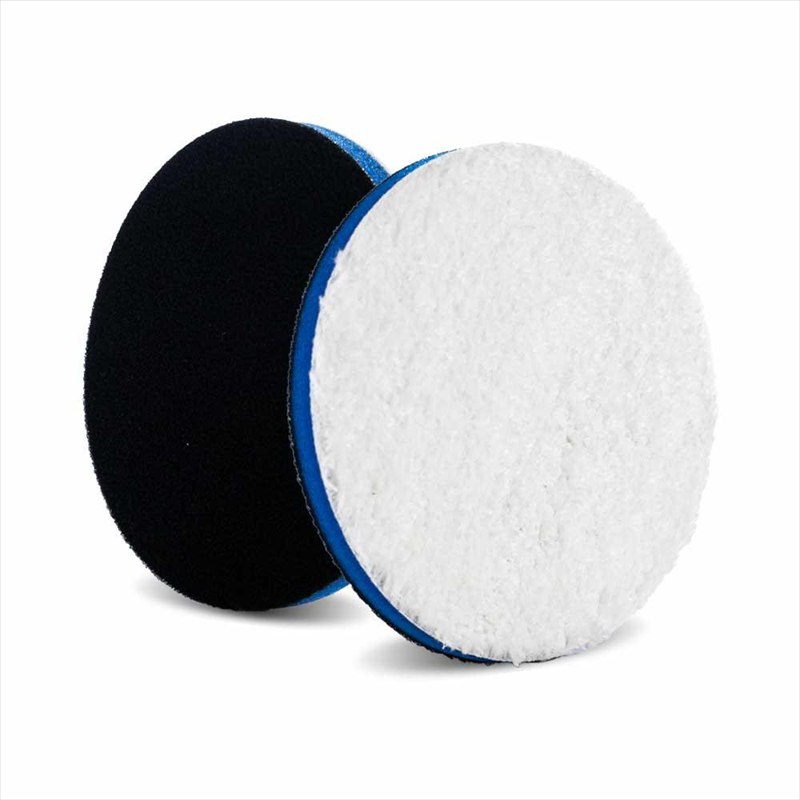
Microfiber pads are commonly paired with dual-action polishers. Fiber length, backing foam, residue management and cleaning frequency influence their cutting and finishing behavior.
Machine and Backing Plate Match
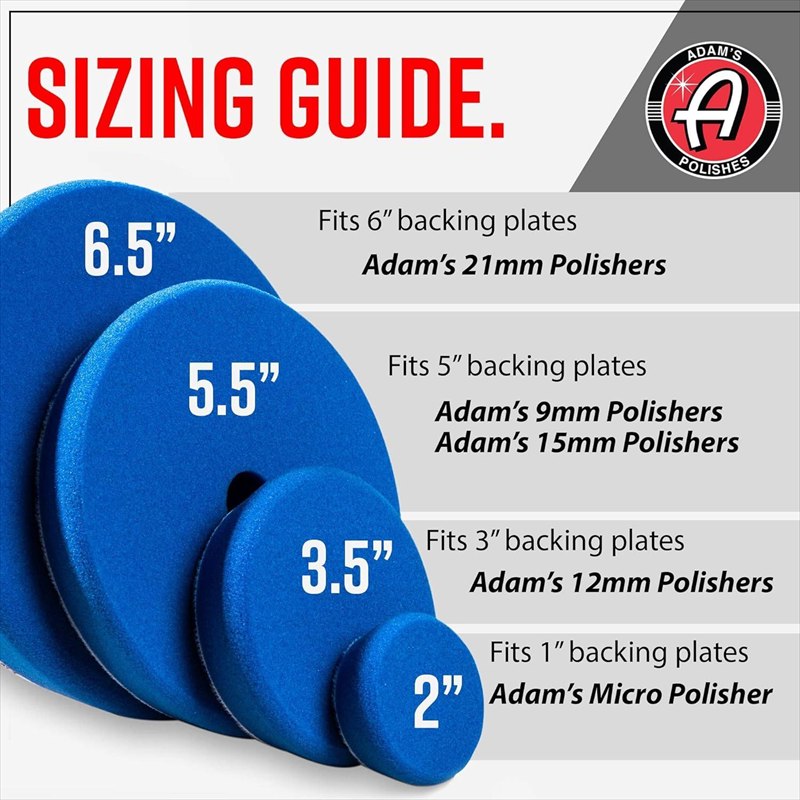
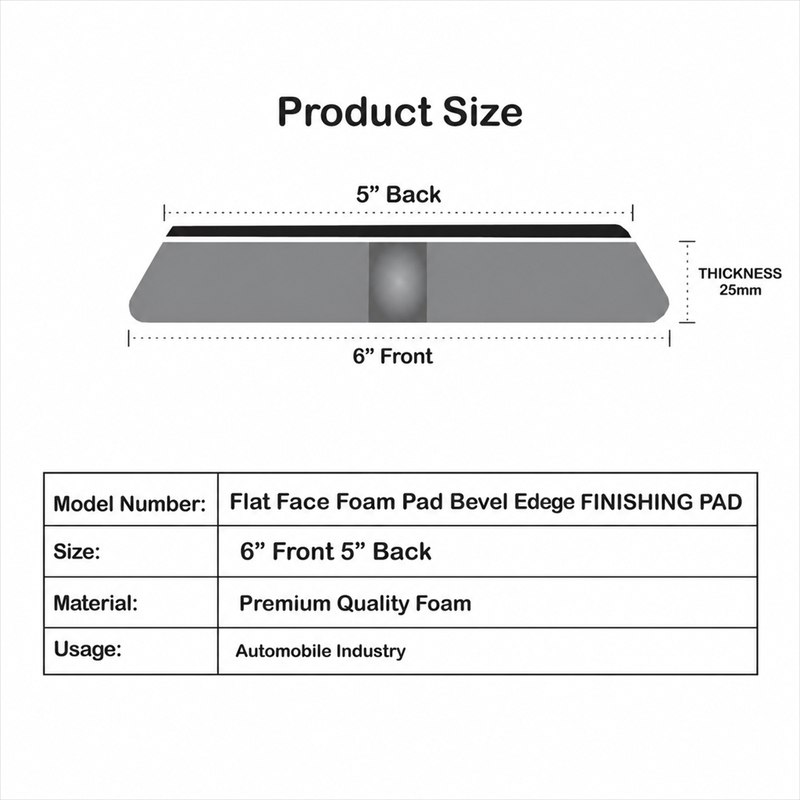
Confirm the overall pad diameter, hook-and-loop backing diameter, pad weight and thickness against the selected machine and backing plate. A pad that fits physically may still perform poorly if its construction is unsuitable for the machine movement.
Application-Based Pad Set
A practical range may include heavy-cut, medium-polish, fine-finish and ultra-soft application pads. The final assortment should be validated against the target market instead of relying on a supplier color chart alone.
Polishing Pad Specifications and Customization Options
The table lists the purchasing information that should be confirmed before quotation and sample approval. Exact options, minimum quantities and development costs depend on the selected manufacturer and design.
| Item | Options or Confirmation Points |
|---|---|
| Pad material | Foam, wool, microfiber or a specified construction |
| Working level | Heavy cutting, medium correction, polishing, fine finishing or product application |
| Dimensions | Overall diameter, backing diameter, thickness and dimensional tolerance |
| Foam properties | Hardness and measurement method, density, cell structure, compression and recovery |
| Surface profile | Flat, waffle or another agreed design |
| Backing system | Hook-and-loop material, attachment area and backing-plate compatibility |
| Machine match | Rotary, free-spinning DA or forced-rotation, subject to model testing |
| Branding | Backing print, woven or printed label and color options |
| Packaging | Individual pack, multi-pad set, retail box, barcode and carton marking |
| Quotation details | Material, dimensions, cutting level, machine, quantity, packaging and destination market |
Polishing Pad Sourcing Process and Quality Control
Quality control should be based on the approved pad and agreed inspection scope. Performance tests require defined machines, compounds, paint panels and acceptance criteria.
Phase 1 Product Requirement Definition
Action: Collect the intended correction stages, machine types, pad dimensions, materials, quantities, branding and target price range.
Quality focus: Separate performance requirements from appearance preferences and identify any mandatory compatibility points.
Phase 2 Supplier and Product Comparison
Action: Compare manufacturers that can provide the required pad constructions and customization.
Quality focus: Review material descriptions, foam specifications, backing construction, available samples and order conditions rather than unit price alone.
Phase 3 Sample Evaluation
Action: Coordinate production-representative samples and, where useful, several cutting levels for comparison.
Quality focus: Check dimensions, workmanship, backing adhesion, foam recovery and practical behavior using the same machine and compound.
Phase 4 Specification and Packaging Approval
Action: Confirm the selected sample, colors, print artwork, set configuration, labels and carton details.
Quality focus: Record the approved reference and measurable requirements before bulk production.
Phase 5 Pre-Shipment Inspection
Action: Arrange inspection according to the agreed order and inspection scope.
Quality focus: Sample-check dimensions, surface defects, trimming, layer bonding, color consistency, pack quantities, labels and carton markings.
Phase 6 Consolidation and Shipping
Action: Coordinate receiving, repacking or consolidation with other detailing products when requested.
Quality focus: Verify variants, quantities and packaging condition against the shipping documents before dispatch.
Why Source Polishing Pads with JanetSourcing?
Pad Selection Beyond Color Codes
We help buyers compare material, construction, dimensions and intended cutting level because the same pad color can represent different performance from different manufacturers.
Machine-Specific Sample Coordination
Samples can be selected around the buyer’s backing plate and polisher type, making the evaluation more relevant than a generic catalog comparison.
OEM Range Development
JanetSourcing can coordinate discussions about colors, backing print, pad sets and retail packaging, subject to manufacturer capability and order requirements.
Mixed Detailing Product Consolidation
Polishing pads can be coordinated with polishers, compounds, microfiber towels and other accessories for warehousing and shipment consolidation where suitable.
Frequently Asked Questions
Is a wool pad always more aggressive than a foam or microfiber pad?
No. Actual cutting performance depends on fiber or foam construction, compound, machine movement and technique. Compare representative samples under the same test conditions.
Do polishing pad colors indicate a universal hardness level?
No. Color coding varies by manufacturer. Confirm the supplier’s technical description and an approved sample for each cutting level.
What information is needed to match a pad to a polisher?
Share the machine type and model, backing-plate diameter, preferred pad diameter and thickness, compound, paint-correction stage and operating requirements.
Can foam hardness and density be customized?
Selected manufacturers can offer different foam specifications. Available formulations, colors, quantities and development costs must be confirmed for the specific project.
How should polishing pad samples be compared?
Use the same machine, backing plate, compound, paint panel and working method. Record correction, finish, heat, residue loading, handling and visible wear.
Can JanetSourcing supply a private-label pad set?
JanetSourcing can coordinate pad combinations, backing branding, labels and retail packaging with suitable manufacturers, subject to order requirements.
What should be checked during bulk inspection?
Typical checks include pad and backing dimensions, thickness, workmanship, layer bonding, color, print, pack quantity and packaging. Performance testing should be defined separately.
What should I send for a quotation?
Provide the pad material, cutting levels, diameters, thickness, backing size, surface profile, machine type, colors, logo, packaging, quantities and destination market.
Request Polishing Pad Sourcing Options
Send JanetSourcing your preferred pad materials, cutting stages, dimensions, machine types, quantities and branding requirements. Reference samples, photos or an existing product specification can help suppliers prepare more comparable options.
PRODUCTS
Squishy Toys
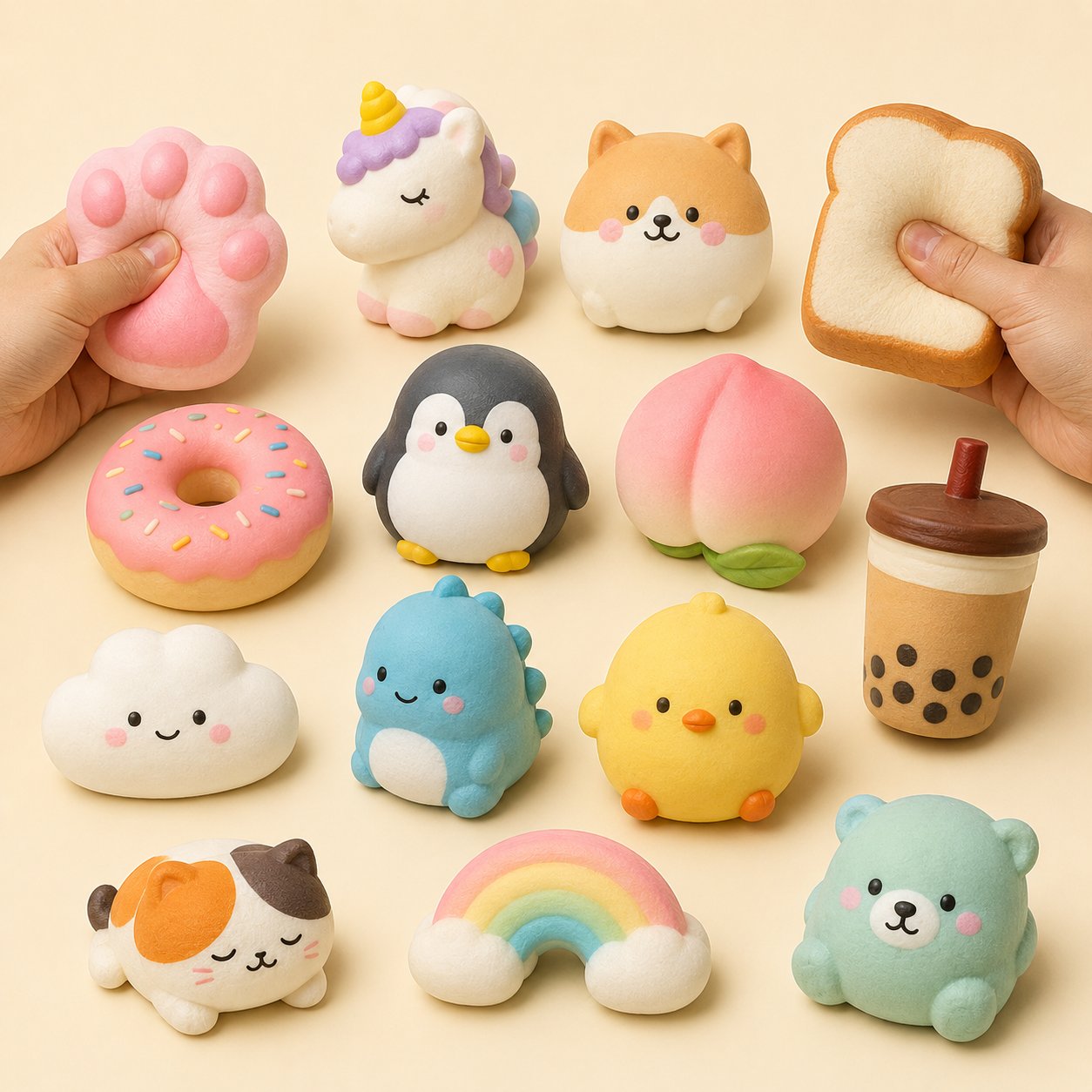
Soft and fun squishy toys designed for squeezing, stress relief and sensory play, available in various cute shapes, sizes, colors and designs for toy, gift and novelty markets.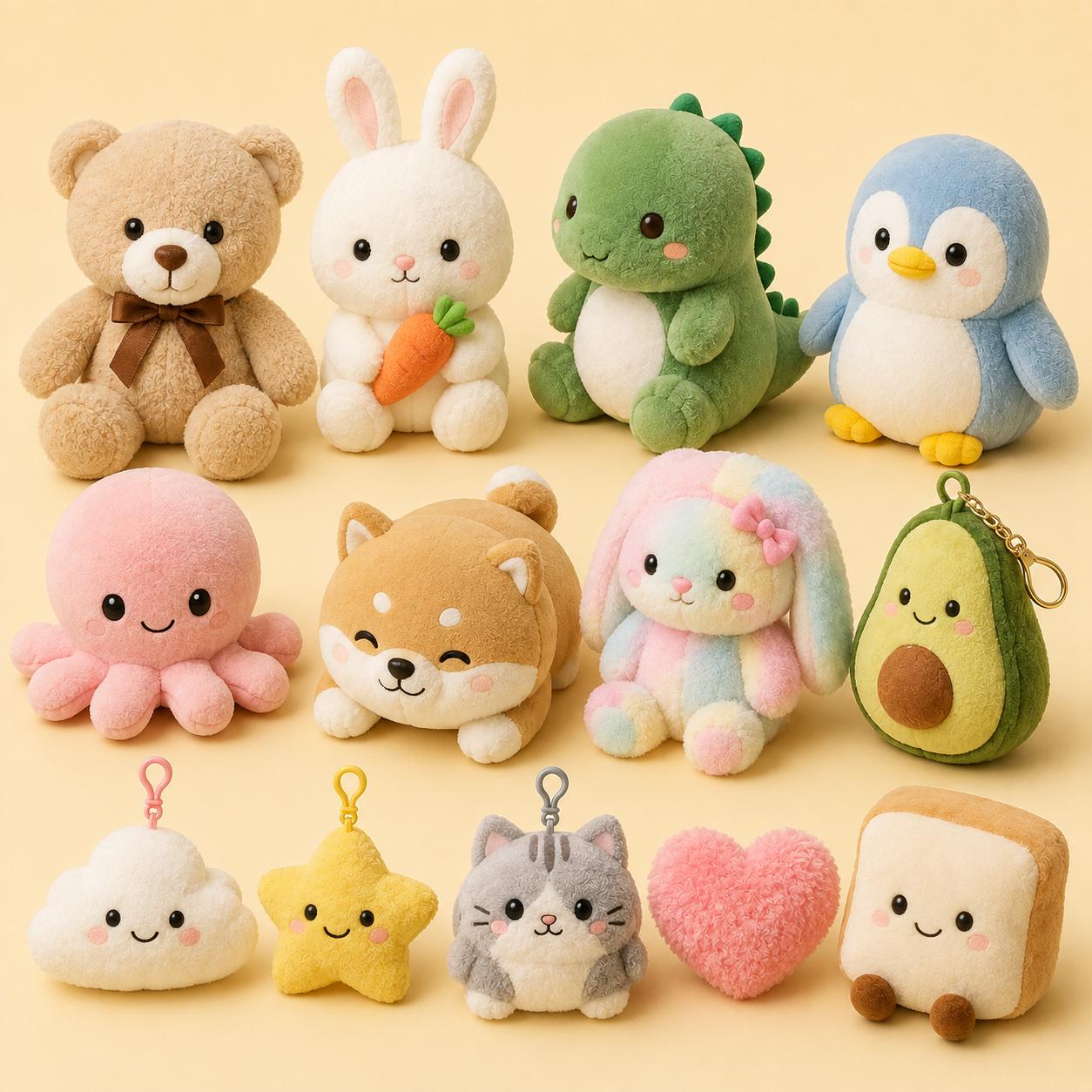
Plush & Soft Toys
Soft and cuddly plush toys designed for play, comfort, decoration and gifting, available in various animals, characters, sizes, fabrics and designs for toy, gift and promotional markets.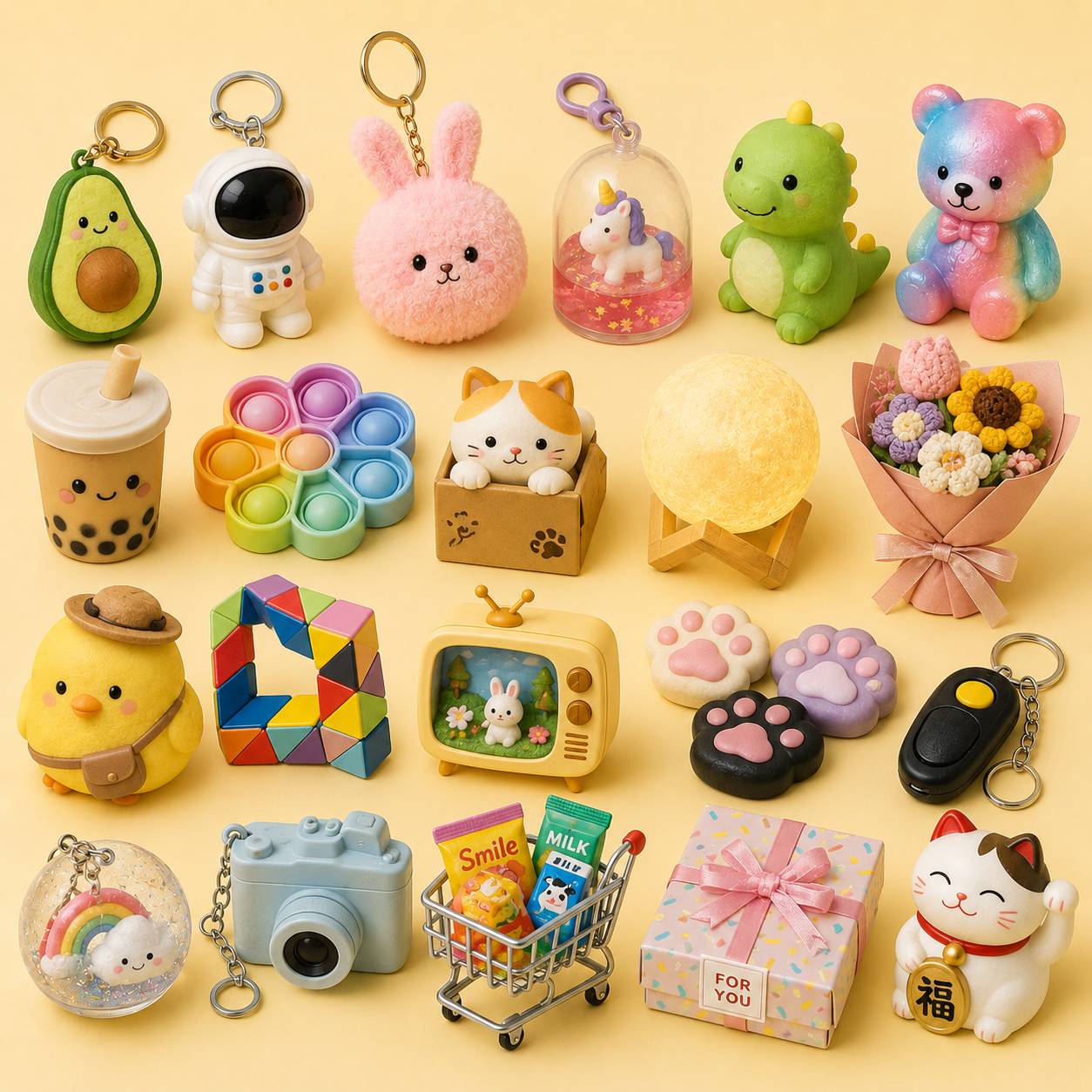
Novelty & Gift Items
Creative and eye-catching novelty and gift items designed for gifting, entertainment, decoration and impulse purchases, available in various fun, practical and trendy designs for gift, retail and promotional markets.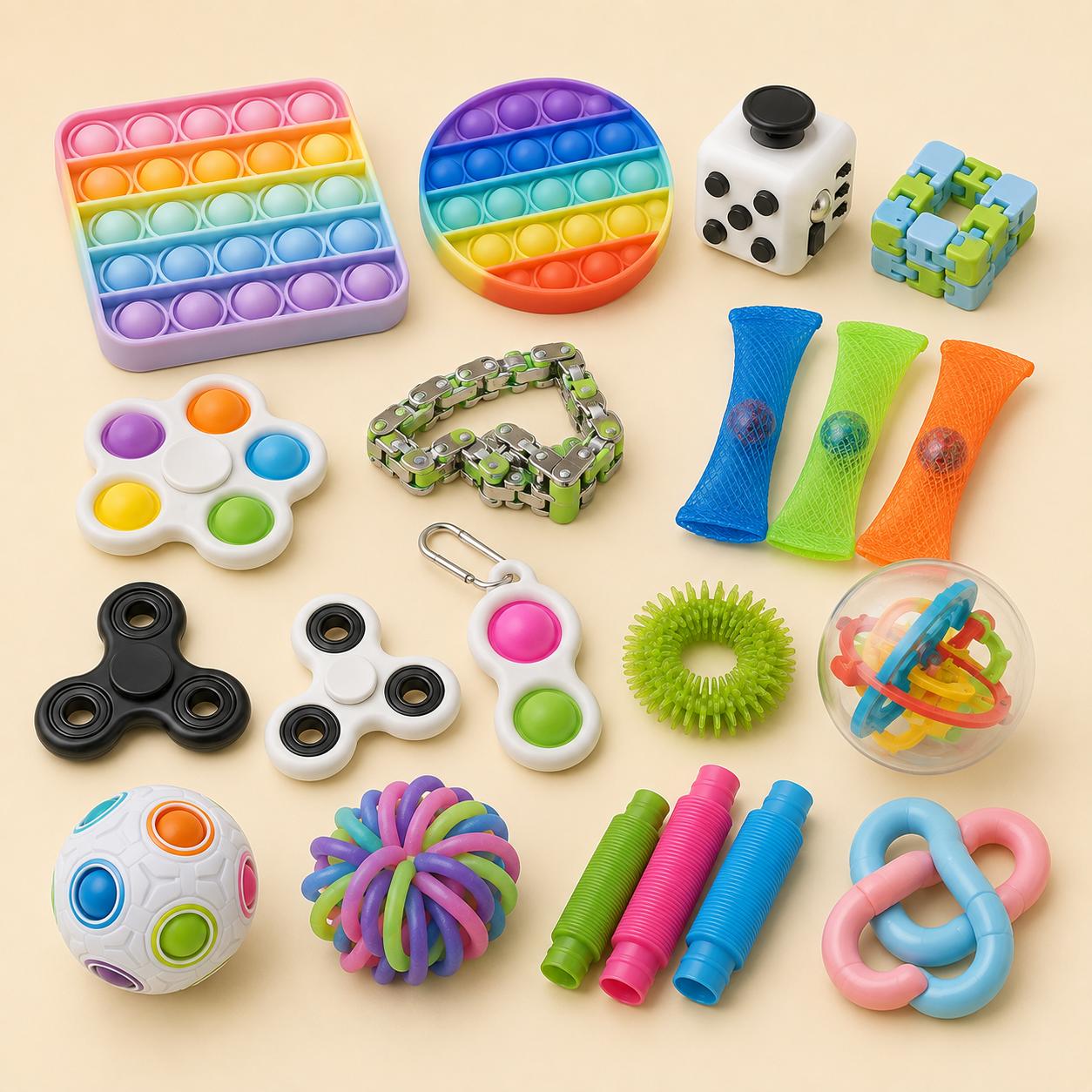
Fidget & Sensory Toys
Fun and engaging fidget and sensory toys designed for stress relief, sensory stimulation and interactive play, available in various shapes, materials, colors and designs for toy, gift and educational markets.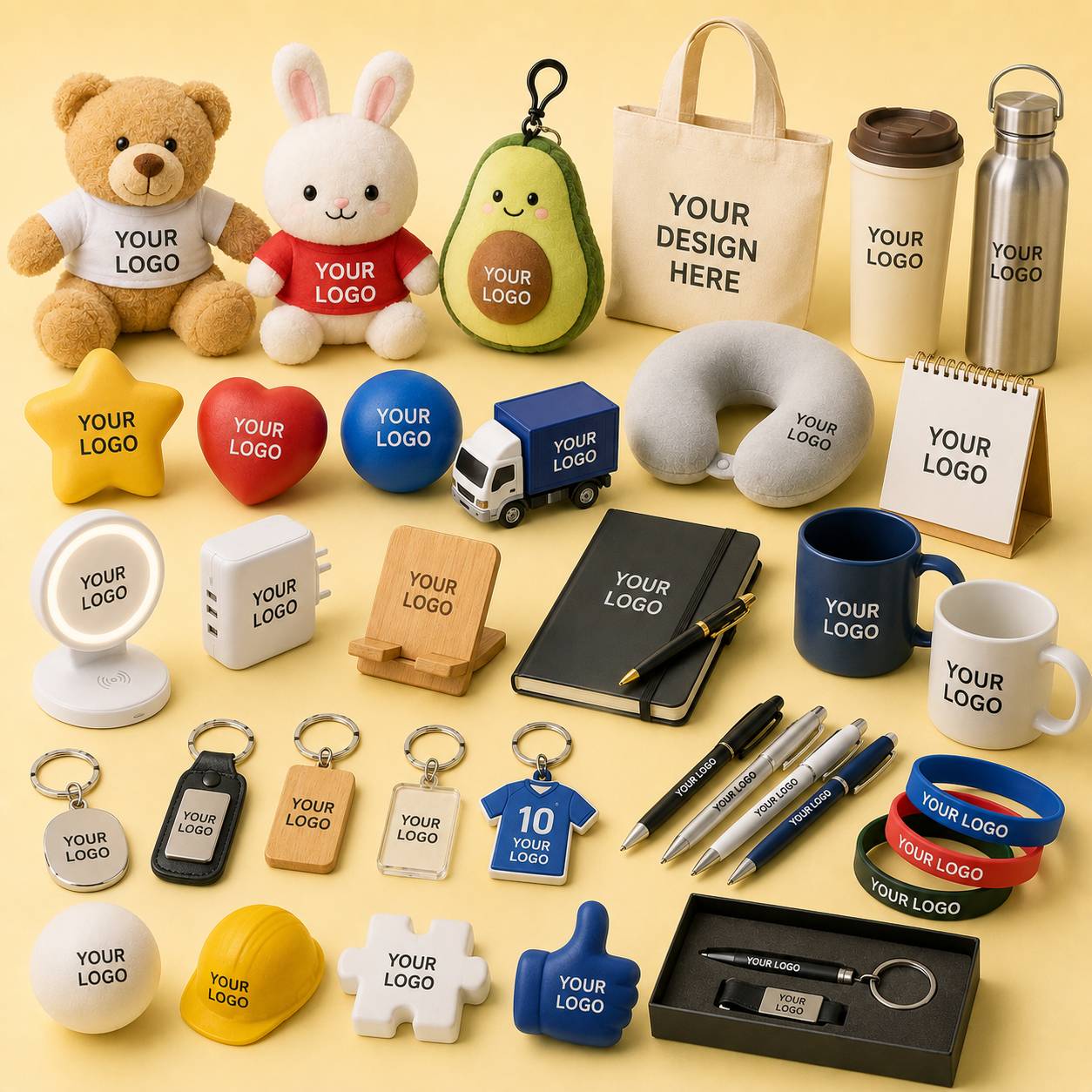
Custom & Promotional Gifts
Customized gift and promotional products designed for brand promotion, corporate events, marketing campaigns and special occasions, with flexible options for custom logos, colors, designs, packaging and private-label solutions.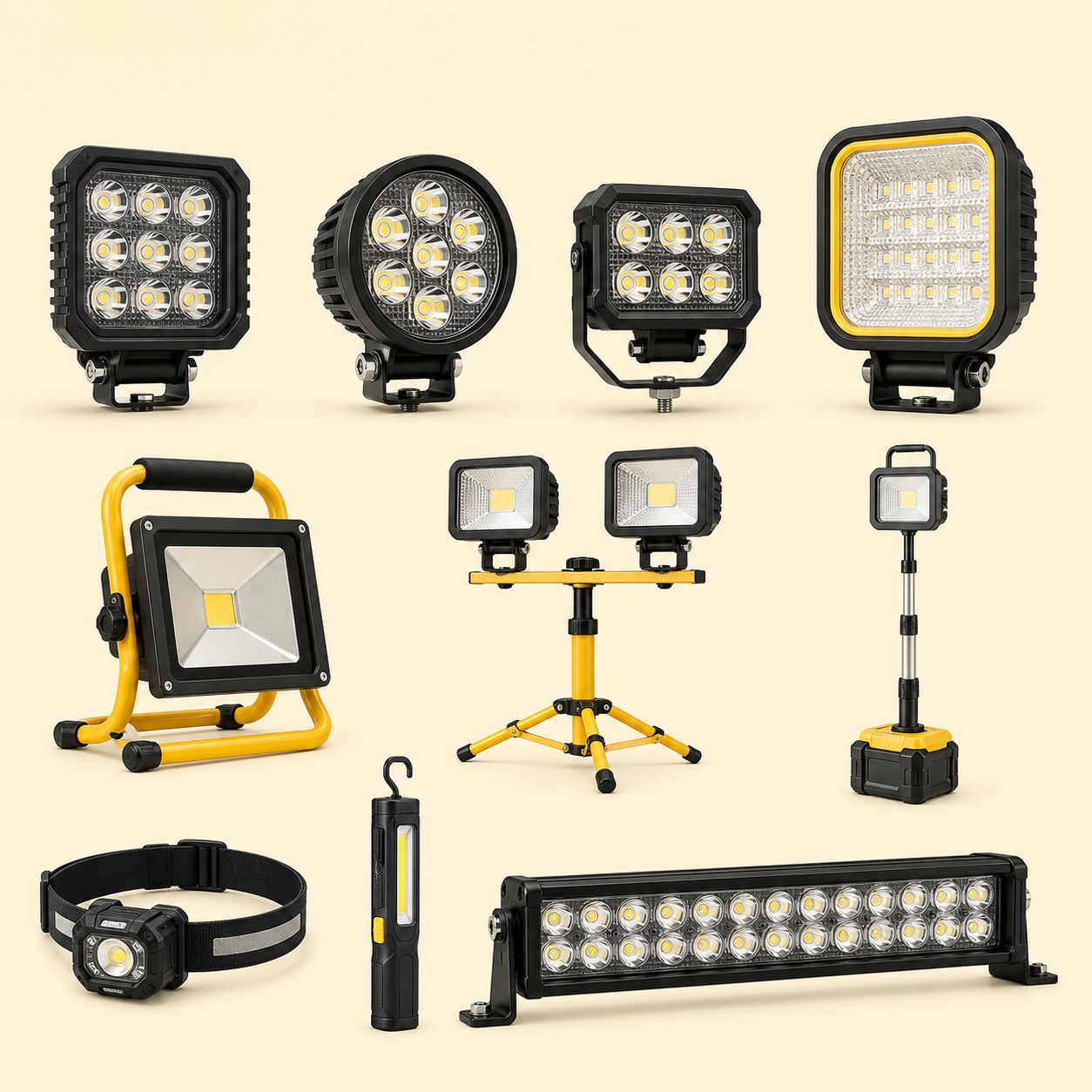
Workshop Lights
Bright and reliable workshop lights for clear illumination in garages, workshops and maintenance areas, available in various portable, rechargeable and adjustable designs for professional use.

TELL US ABOUT YOUR SOURCING NEEDS
Please fill out the form below and we will get back to you as soon as possible.