
- Home
- Products
- Car Detailing Products
- PPF Tools & Vinyl Wrap Tools

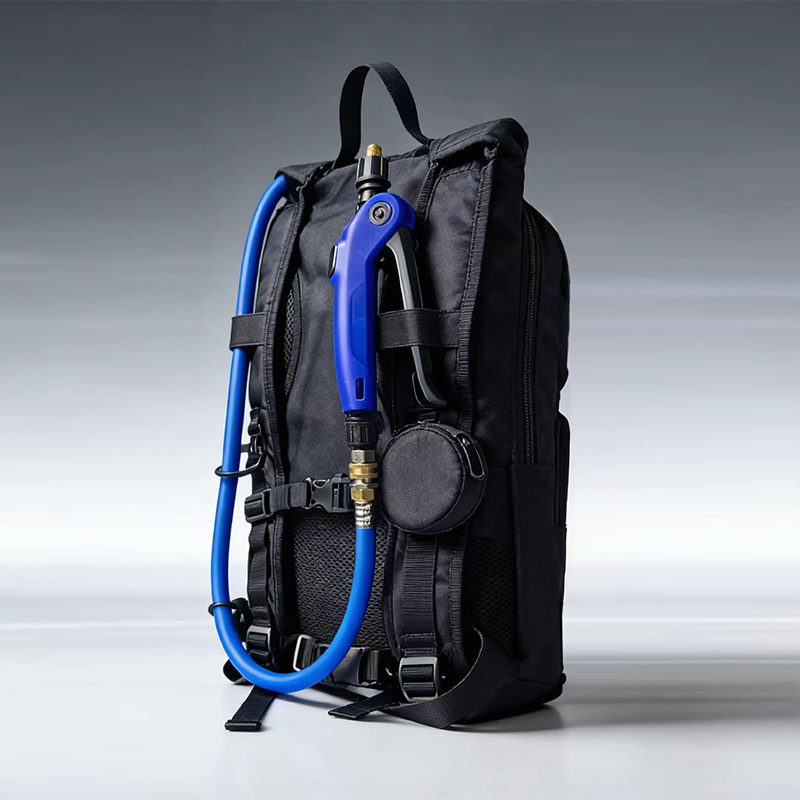
Product Details
Product Overview
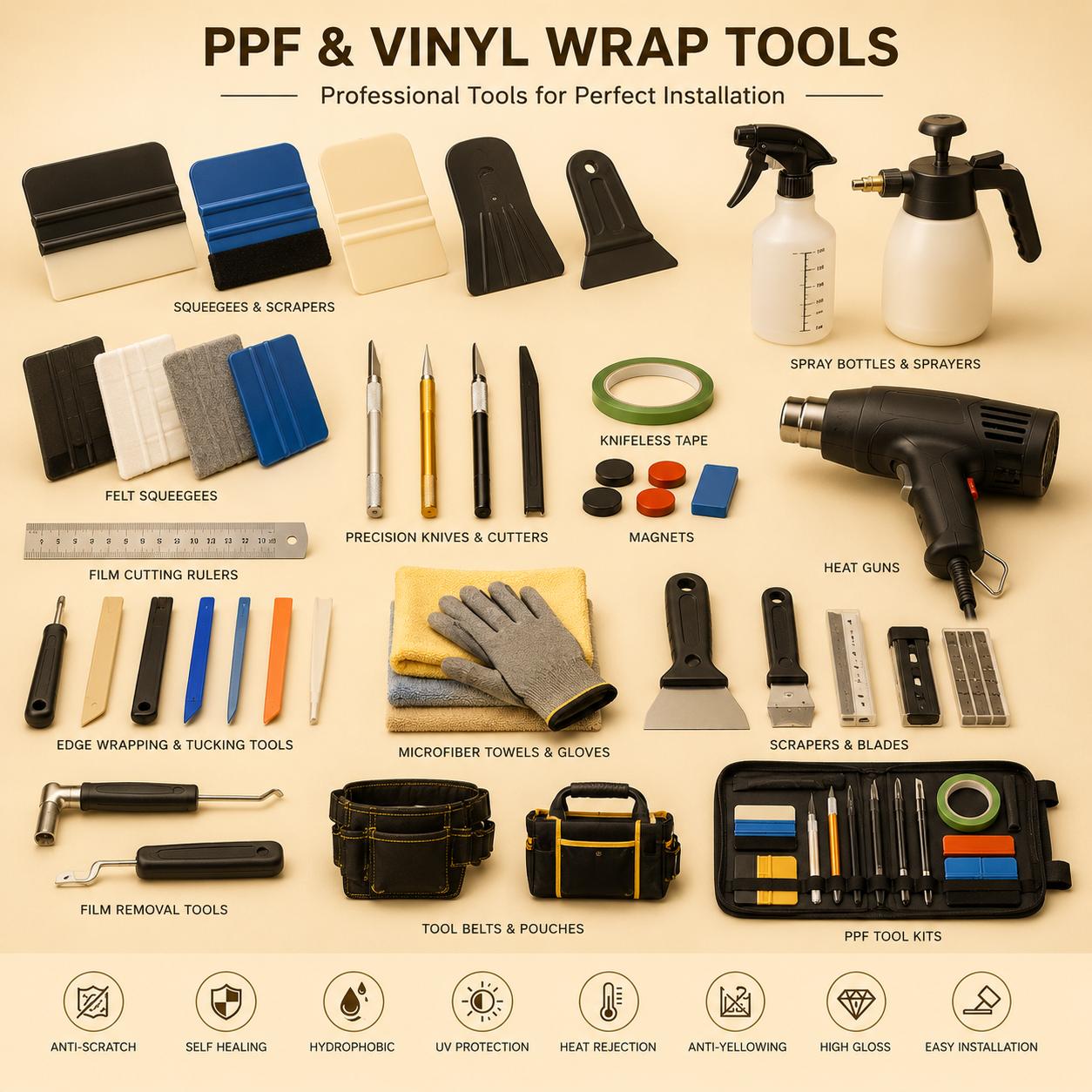
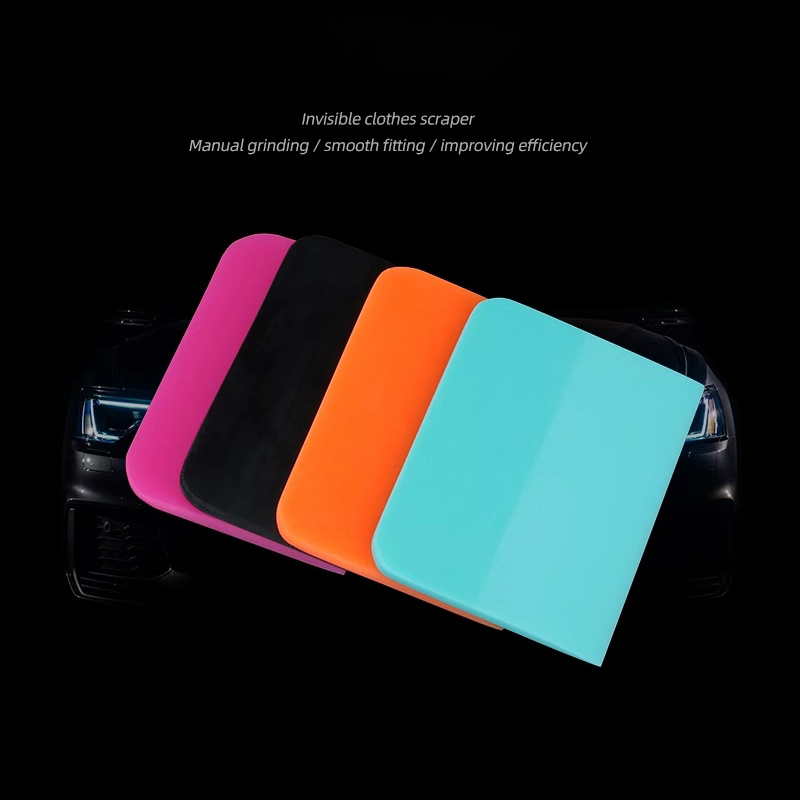
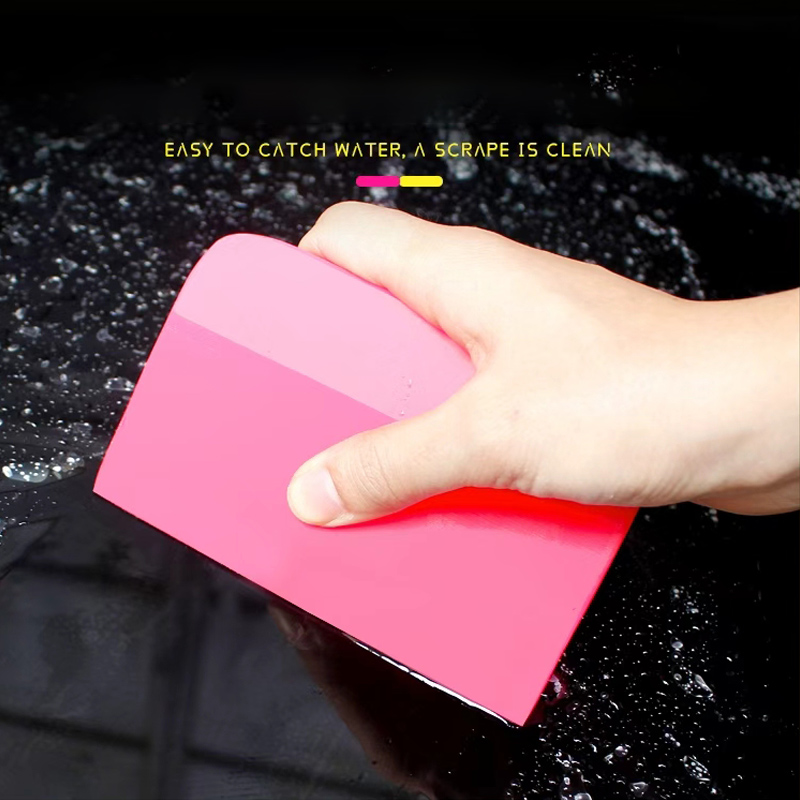
PPF and vinyl wrap installation tools are used to position, smooth, trim and finish automotive films. The right tool depends on the film, application method and part of the vehicle being worked on. A flexible rubber squeegee may suit wet PPF installation, while a felt-edge squeegee is often selected for dry vinyl application. Curves, recessed areas, window edges and narrow gaps may require different shapes and levels of flexibility.
For importers, distributors, automotive film brands and professional installation businesses, the buying decision goes beyond choosing a large tool set. Squeegee material, hardness, edge finish, cutter stability, tool dimensions and kit configuration can all affect how the tools perform with a specific film. JanetSourcing helps buyers compare available products, arrange samples, coordinate branding and packaging, and define inspection points for bulk orders.
What Problems Can PPF and Vinyl Wrap Tools Solve
Uneven Pressure During Film Application
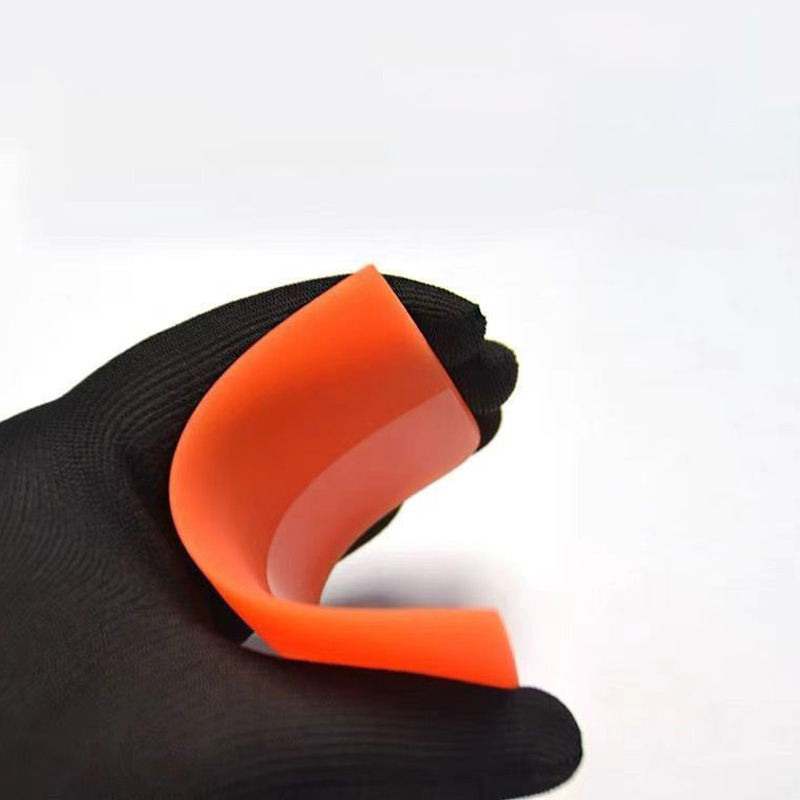
Applying too much or too little pressure can make it harder to remove installation solution or smooth adhesive film. Squeegees with suitable flexibility, blade shape and edge design help installers apply more controlled pressure across flat and curved surfaces.
Marks on Film Surfaces
Rough edges, molding burrs, worn felt or contaminated tools can mark a film during installation. Smooth edges and securely attached felt can help reduce this risk when the tool is clean and used correctly. Samples should be tested with the actual film before a bulk order is approved.
Limited Access Around Curves and Tight Areas
Standard rectangular tools do not reach every door edge, seal, recess or narrow gap. Slim squeegees, tucking tools and shaped edge tools give installers better access for positioning and finishing work in confined areas.
Inaccurate Cutting and Trimming
Unstable handles, unsuitable blades or excessive pressure can lead to uneven cuts and may damage the film or the surface beneath it. Buyers should evaluate cutter stability, blade quality and replacement options, and installers should follow the film supplier’s cutting recommendations.
Tool Kits That Do Not Match the User
A kit with more pieces is not automatically more useful. PPF installers, vinyl wrap shops and window tinting businesses require different combinations. Defining the intended application first helps buyers avoid unnecessary accessories and build a more practical retail or professional kit.
Inconsistent Products Across Bulk Orders
Similar-looking tools may differ in dimensions, hardness, edge smoothness, felt attachment, logo position and packaging. Approved samples, measurable specifications and agreed inspection criteria give buyers a clearer basis for comparing production goods.
How to Choose the Right PPF and Vinyl Wrap Tools
Tool suitability depends on the film type, installation method, vehicle surface and film manufacturer’s recommendations. The following guide helps buyers identify the main product characteristics to compare.
| Application | Commonly Selected Tools | What Buyers Should Compare |
|---|---|---|
| PPF Installation | Rubber squeegees, flexible blades, edge tools | Controlled pressure, liquid removal, edge smoothness and film compatibility |
| Vinyl Wrapping | Felt-edge squeegees, magnets, precision knives | Felt quality, smooth application, positioning support and trimming accuracy |
| Window Tint Installation | Rubber squeegees, hard cards, scrapers, reach tools | Liquid removal, access to narrow areas and compatibility with the glass or coating |
| Curved or Recessed Surfaces | Flexible squeegees, shaped tools, applicable heat tools | Flexibility, tool shape and controlled heat according to film instructions |
| Corners and Tight Areas | Tucking tools, slim squeegees, edge tools | Precision, accessibility and a smooth contact surface |
| Film Cutting | Precision knives, film cutters, cutting tape | Cutting accuracy, blade stability, replacement options and surface protection |
For wet PPF application, buyers commonly compare flexible rubber blades that can remove solution while maintaining controlled contact. For dry vinyl wrapping, felt-covered edges are often evaluated for smoothness, adhesion and wear. Window tint tools need to reach curved glass and narrow areas, but scrapers and blades must be selected and used carefully because some glass surfaces and coatings can be damaged by improper scraping.
Understanding Squeegee Hardness Materials and Edge Types
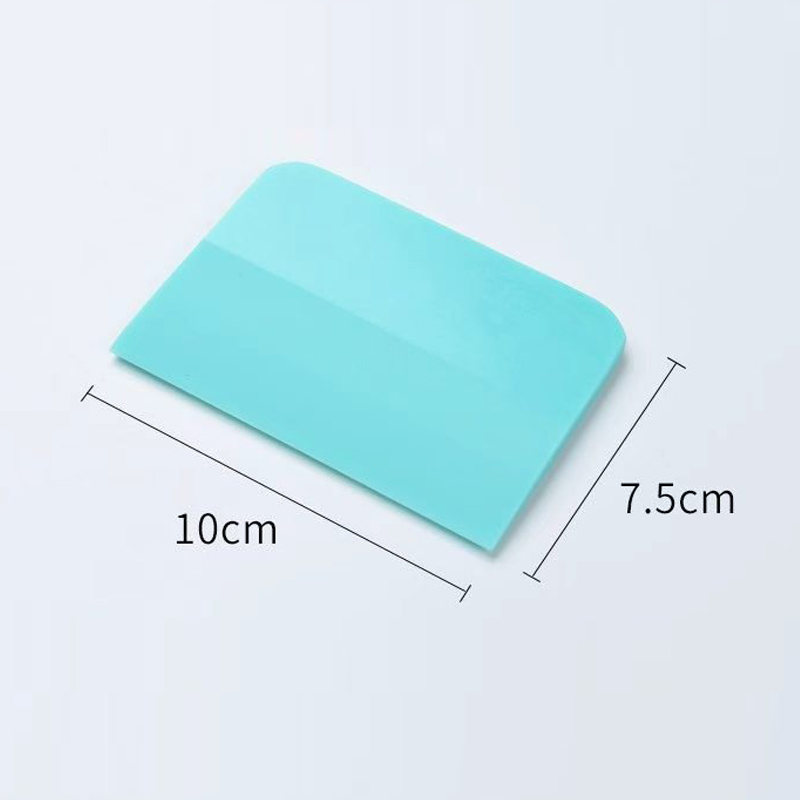
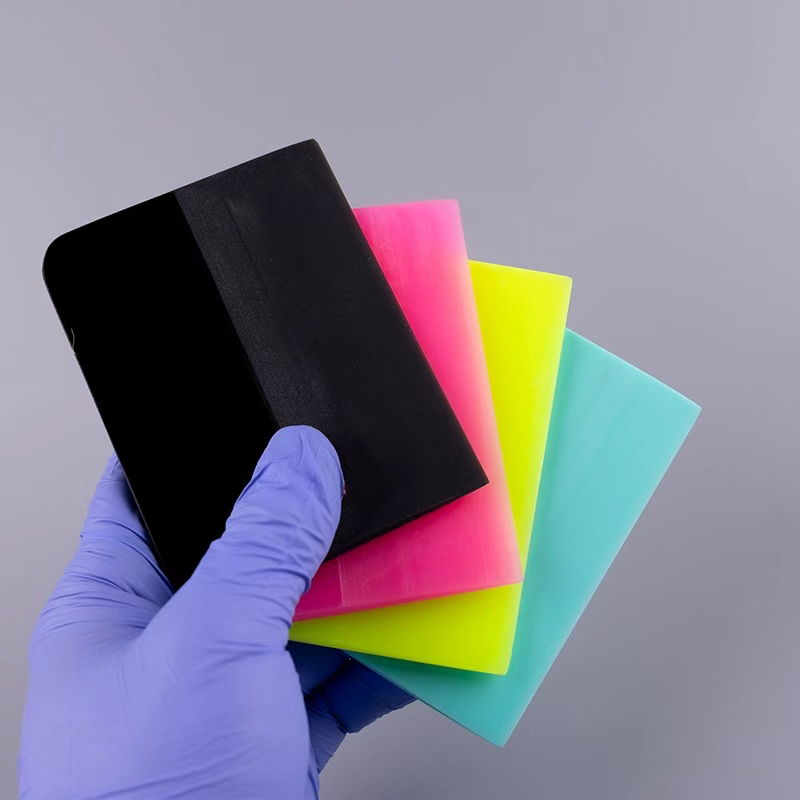
Squeegee descriptions such as soft, medium and hard are useful starting points, but there is no universal hardness classification shared by every supplier. A medium squeegee from one factory may feel different from another supplier’s medium option. When hardness matters, buyers should request the material information, the measurement method where available, acceptable tolerances and representative samples.
| Hardness | General Characteristics | Typical Evaluation Scenario |
|---|---|---|
| Soft | Flexible and able to conform to curved surfaces | Delicate films, curved areas and controlled application |
| Medium | Balance between flexibility and contact pressure | General positioning and smoothing tasks |
| Hard | Firmer contact with less flexibility | Selected finishing tasks where controlled pressure is required |
Common Materials
- Rubber: Often selected for wet applications such as PPF and window film. Performance depends on the rubber formulation, blade profile and edge finish.
- Plastic: Used for squeegees, hard cards and finishing tools in different stiffness levels and shapes.
- TPU and other flexible polymers: Can provide different combinations of flexibility, wear resistance and edge characteristics. Samples should be compared instead of relying on the material name alone.
- Felt-covered edges: Often used for vinyl wrapping to reduce surface marking. Buyers should check felt thickness, adhesion, consistency and durability.
- Metal: Used in selected cutters, blades, magnets or tool components. The relevant grade, finish and assembly should be confirmed for each product.
Why Edge Quality Matters
Two squeegees made from similar materials can perform differently if their edges are finished differently. During sample review, check for a smooth and consistent contact edge, uniform thickness, secure felt attachment, freedom from sharp burrs or molding defects, and resistance to excessive deformation during normal use.
Product Specifications and Customization Options
The available range can include individual tools and multi-piece kits. Final specifications, minimum quantities and customization feasibility depend on the selected product and supplier.
| Item | Available or Confirmable Options |
|---|---|
| Product Category | PPF, vinyl wrap, window tint and automotive film installation tools |
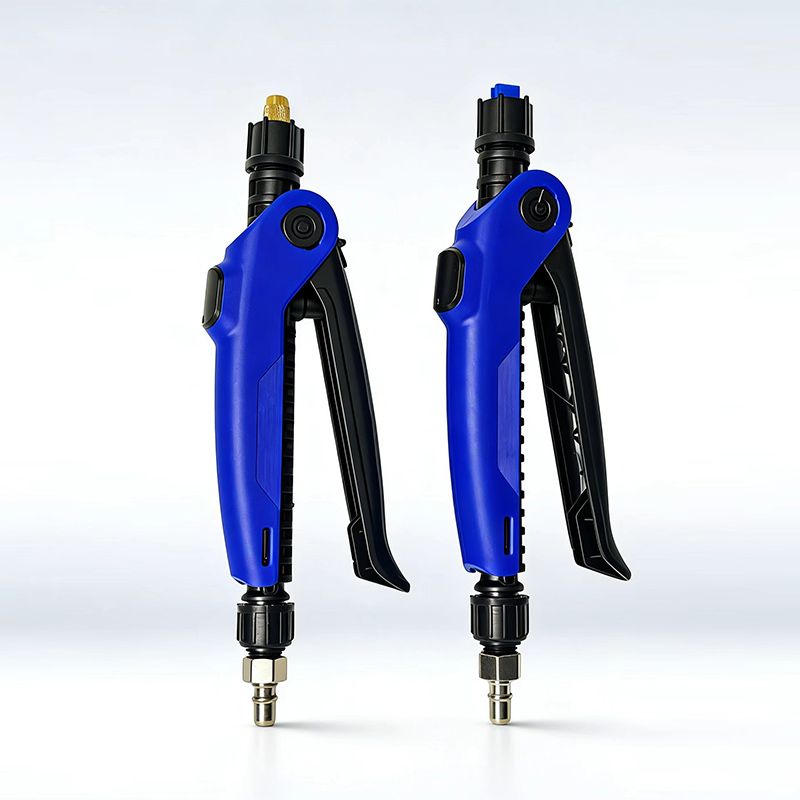
| Tool Types | Squeegees, scrapers, cutters, film knives, magnets, tucking tools, edge tools, gloves, spray bottles, heat tools and related accessories |
| Materials | PP, ABS, TPU, rubber, felt, metal or product-specific alternatives |
| Squeegee Hardness | Soft, medium, hard or an agreed measurable range where available |
| Shapes | Flat, curved, corner, slim, triangle and application-specific designs |
| Edge Options | Standard, soft, felt-covered or rubber edges |
| Kit Configuration | Individual products, multi-piece sets or customized installation kits |
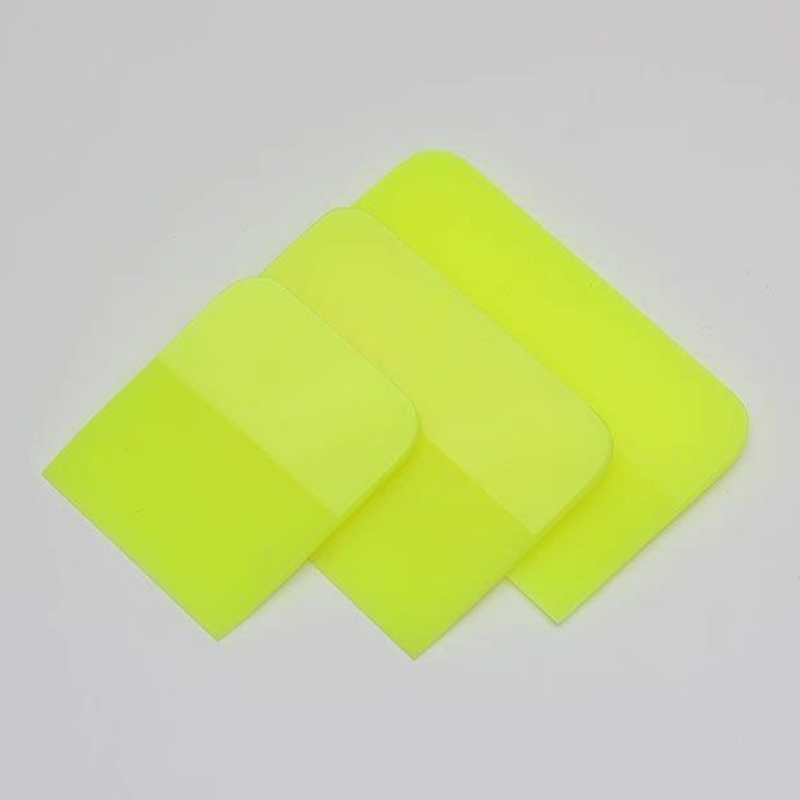
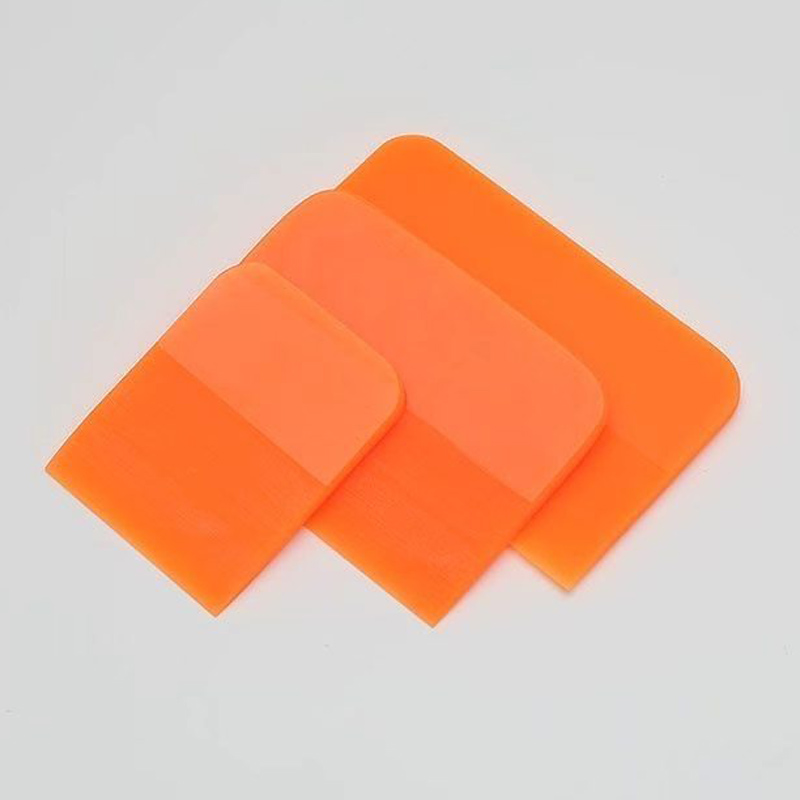
| Branding | Printed or engraved logos, embossing, product labels and selected custom colors |
| Packaging | Polybags, blister packs, color boxes, tool bags, carrying cases or custom retail packaging |
| Samples | Available subject to product and supplier arrangements |
| MOQ and Lead Time | Confirmed according to tool type, branding, packaging, quantity and supplier |
Custom tool shapes, colors, logos and packaging should be confirmed through samples or production references before bulk manufacturing. For kits, specify the quantity and version of every component rather than approving only the total piece count.
What B2B Buyers Should Check Before Ordering
Material and Application Match
Confirm the material used for each tool and whether it is suitable for the intended PPF, vinyl wrap or window film. A tool that works with one film may not be appropriate for another.
Hardness Dimensions and Tolerances
Record the required size, thickness, shape and stiffness. If a measurable hardness value is needed, agree on the test method and tolerance with the supplier before production.
Workmanship and Edge Finish
Inspect samples for molding defects, rough edges, uneven surfaces, loose parts and inconsistent assembly. For felt-edge products, check the coverage, adhesion and condition of the felt.
Cutting Tool Configuration
Confirm cutter stability, blade type, replacement availability and packaging. Safety information and protective requirements should match the product and target market.
Branding and Retail Packaging
Approve logo artwork, position, color, labeling, barcode requirements and packaging construction. Confirm whether customized products require different minimum quantities or lead times.
Kit Content and User Group
List every tool, quantity and version in the kit. Check that the combination suits PPF installers, vinyl wrap shops, window tint businesses or the intended retail customer.
Bulk Order Consistency
Use approved samples and written specifications as references. Inspection points may include dimensions, appearance, material characteristics, edge quality, component assembly, logo placement, packaging and order quantities.
| Purchasing Detail | Information to Confirm |
|---|---|
| Application | PPF, vinyl wrap, window tint or a combined kit |
| Tool List | Product type, quantity and version for each item |
| Material | Rubber, plastic, TPU, felt, metal or other specified material |
| Hardness | Required stiffness and agreed measurement method if applicable |
| Dimensions | Length, width, thickness, shape and tolerance |
| Compatibility | Intended film and installation method |
| Branding | Color, logo method, position, labels and artwork |
| Packaging | Individual packaging, retail set, tool bag or carrying case |
| Quality Control | Approved sample and inspection criteria |
| Shipping | Carton details, labeling, consolidation and destination |
Sourcing Process and Quality Control
Phase 1 Requirements and Tool List
Share the intended applications, target users, product list, materials, dimensions, hardness preferences, quantities, branding, packaging and destination market. JanetSourcing organizes the information into a sourcing brief so suppliers quote against a clearer scope.
Phase 2 Supplier Matching and Product Comparison
Available suppliers are compared by product fit, materials, customization capability, minimum quantities and lead time. For multi-product kits, component sourcing and consolidation requirements are reviewed at this stage.
Phase 3 Sample Selection and Application Review
Samples can be arranged for selected products and branding methods. Buyers should test them with the intended films and review flexibility, edge finish, felt attachment, dimensions, cutter stability and general workmanship.
Phase 4 Branding Packaging and Order Confirmation
The approved tool list, specifications, logo artwork, label information, packaging and quantities are confirmed with the selected supplier. Any measurable test method or tolerance should be recorded before production.
Phase 5 Pre Shipment Inspection Coordination
Inspection activities can be arranged according to the agreed order scope. Checks may cover product identity, dimensions, appearance, edge defects, component assembly, logo placement, kit quantities, labels and packaging. Film compatibility or durability tests require an agreed method, sample size and acceptance standard.
Phase 6 Consolidation and Shipping
When tools, films or accessories come from different suppliers, JanetSourcing can coordinate receiving, labeling, repacking, mixed-order consolidation and export arrangements. Quantities, carton markings and packaging condition are checked against the agreed shipment details.
Why Buyers Work with JanetSourcing
Product Comparison by Installation Task
JanetSourcing helps buyers compare tools for wet PPF installation, dry vinyl wrapping, window tinting, cutting and finishing instead of treating every squeegee or accessory as interchangeable.
Sample and Specification Coordination
Buyers can review representative samples and define the dimensions, materials, edge construction and packaging that matter for their market before a bulk order is placed.
Private Label and Kit Development
Custom colors, logos, labels, retail packaging and tool-set configurations can be discussed with suitable suppliers. Feasibility and order conditions are confirmed for the selected products.
Product Specific Quality Checks
Inspection criteria can be built around the actual risks of the order, including rough edges, inconsistent hardness, loose felt, missing kit components, incorrect logos and packaging discrepancies.
Multi Supplier Consolidation
Buyers sourcing installation tools with automotive films or other detailing products can discuss warehouse consolidation and combined shipping. Learn more about our China sourcing services and car detailing product range.
Frequently Asked Questions
Are the same tools suitable for PPF vinyl wrap and window tint
Some tools can be used across several applications, while others are designed for a particular film, surface or installation method. Share the intended film and task so suitable options can be compared.
Is a harder squeegee always better for removing installation solution
No. Hardness is only one factor. Blade flexibility, shape, edge finish and the film or surface also affect contact and liquid removal. Physical samples provide a better comparison than labels such as soft or medium alone.
What should buyers check on a felt edge squeegee
Check the felt thickness, surface consistency, adhesion, edge coverage and condition after repeated normal use. Test the sample with the intended vinyl film before confirming a bulk order.
Can JanetSourcing develop a custom installation tool kit
Yes. Tool combinations can be discussed for PPF installers, vinyl wrap shops, window tinting businesses or retail customers. The product list, quantities, branding, packaging and supplier requirements must be confirmed before ordering.
Can logos and private label packaging be added
Depending on the tool and supplier, options may include printing, engraving, embossing, labels, custom colors, color boxes, tool bags and carrying cases. Availability, minimum quantities and samples are confirmed for each item.
How should buyers evaluate samples
Review the sample against the intended film and installation task. Useful checks include dimensions, flexibility, edge smoothness, felt attachment, cutter stability, component assembly, branding and packaging.
What quality points can be checked before shipment
The agreed inspection scope may include product versions, dimensions, appearance, edge defects, assembly, logo position, kit quantities, labels and packaging. Any performance or durability test needs a defined method and acceptance standard.
What information is needed for a quotation
Send the tool list, intended application, material or hardness requirements, dimensions, quantities, logo method, packaging, destination and any reference samples or photos. For a complete kit, state the quantity and version of every component.
Need help comparing PPF tools, vinyl wrap tools or a private-label installation kit? Contact JanetSourcing with your product list, target quantities, customization requirements and destination.
PRODUCTS
Squishy Toys
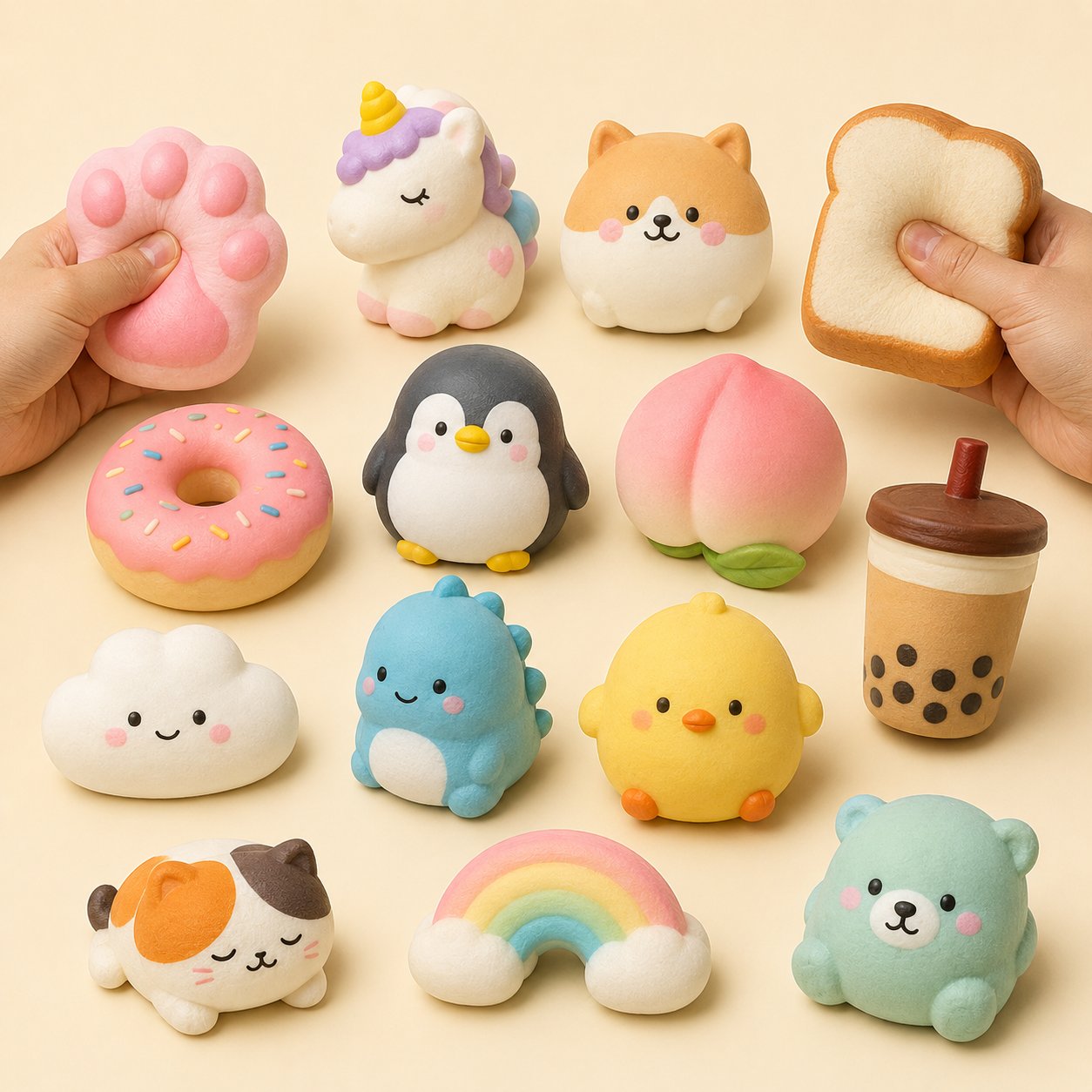
Soft and fun squishy toys designed for squeezing, stress relief and sensory play, available in various cute shapes, sizes, colors and designs for toy, gift and novelty markets.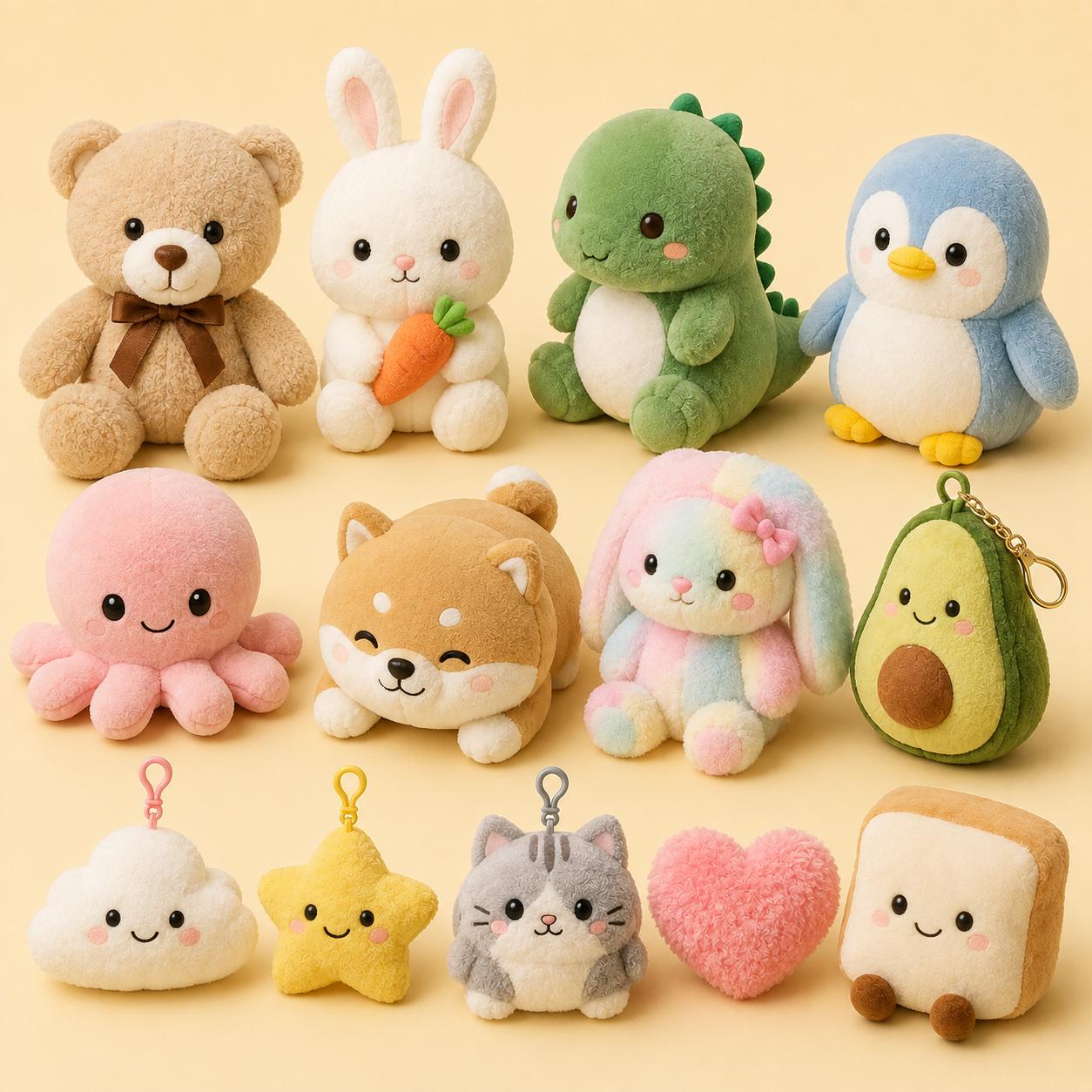
Plush & Soft Toys
Soft and cuddly plush toys designed for play, comfort, decoration and gifting, available in various animals, characters, sizes, fabrics and designs for toy, gift and promotional markets.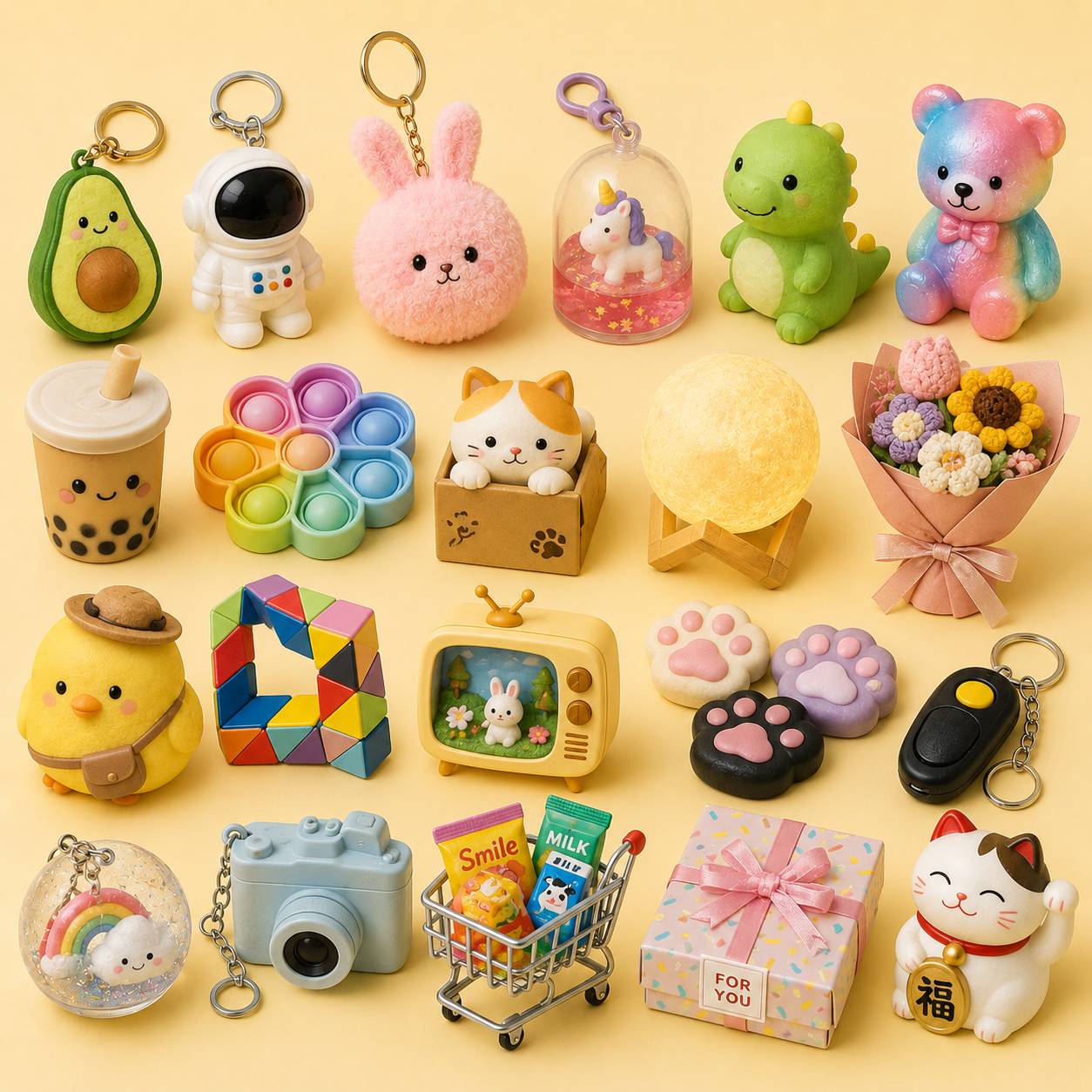
Novelty & Gift Items
Creative and eye-catching novelty and gift items designed for gifting, entertainment, decoration and impulse purchases, available in various fun, practical and trendy designs for gift, retail and promotional markets.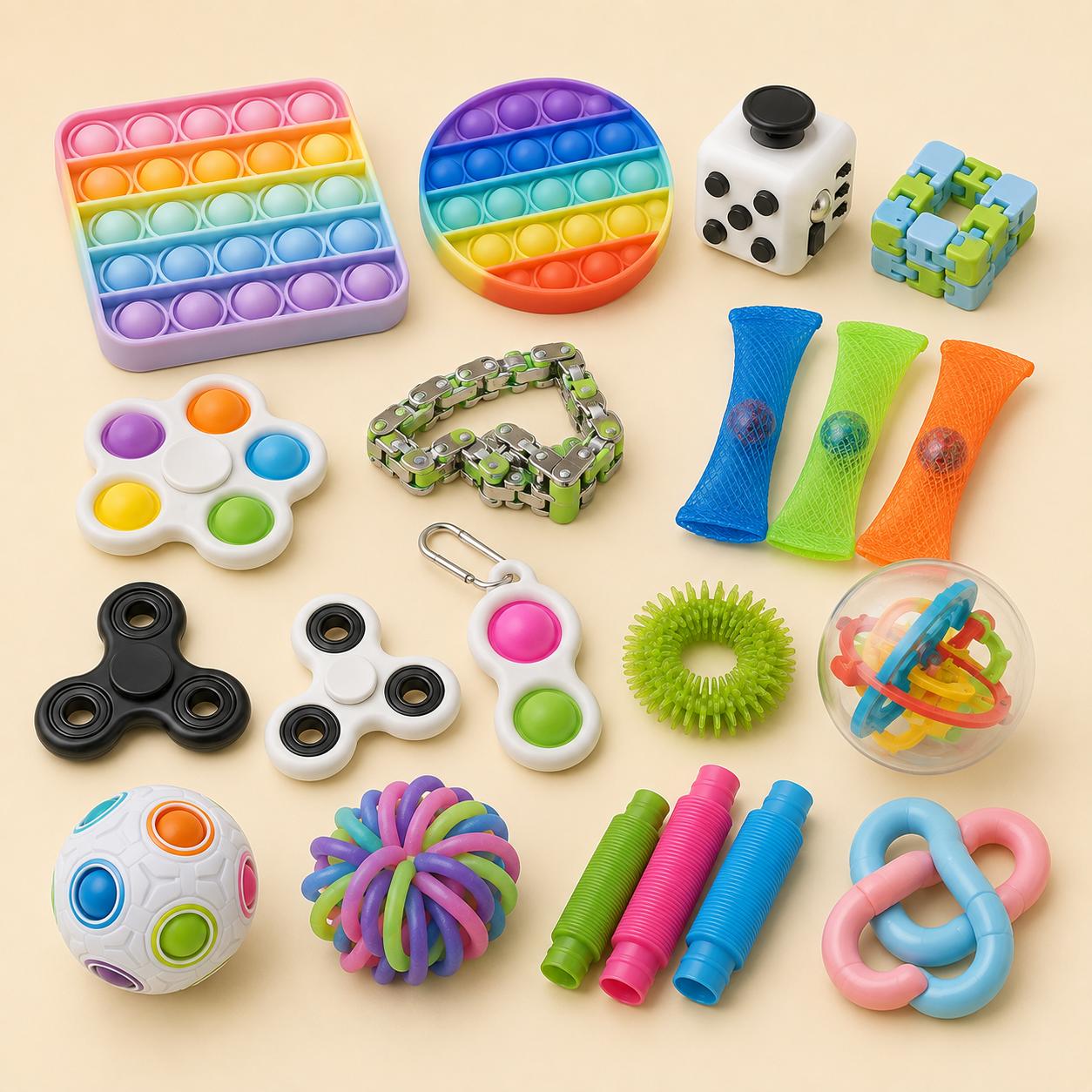
Fidget & Sensory Toys
Fun and engaging fidget and sensory toys designed for stress relief, sensory stimulation and interactive play, available in various shapes, materials, colors and designs for toy, gift and educational markets.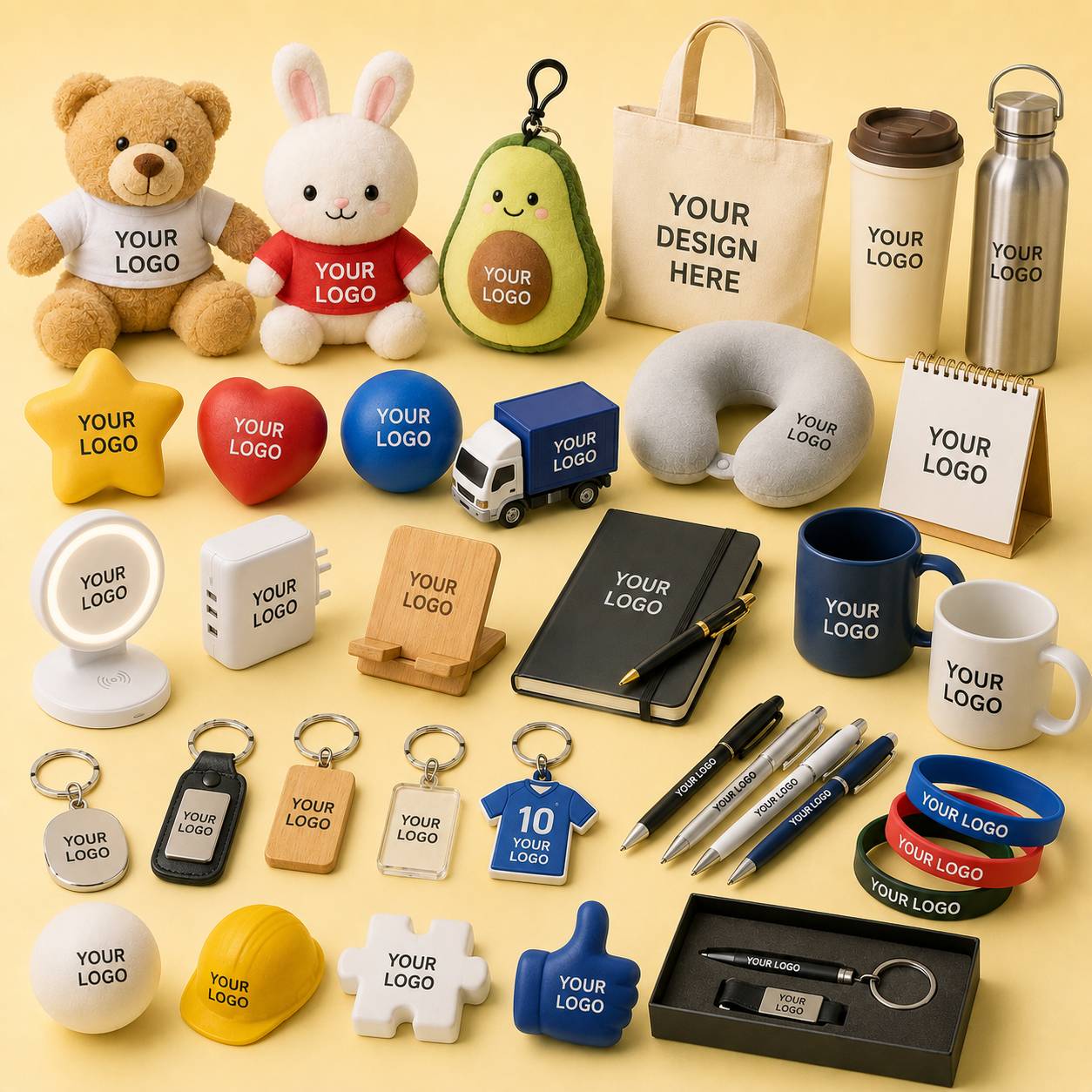
Custom & Promotional Gifts
Customized gift and promotional products designed for brand promotion, corporate events, marketing campaigns and special occasions, with flexible options for custom logos, colors, designs, packaging and private-label solutions.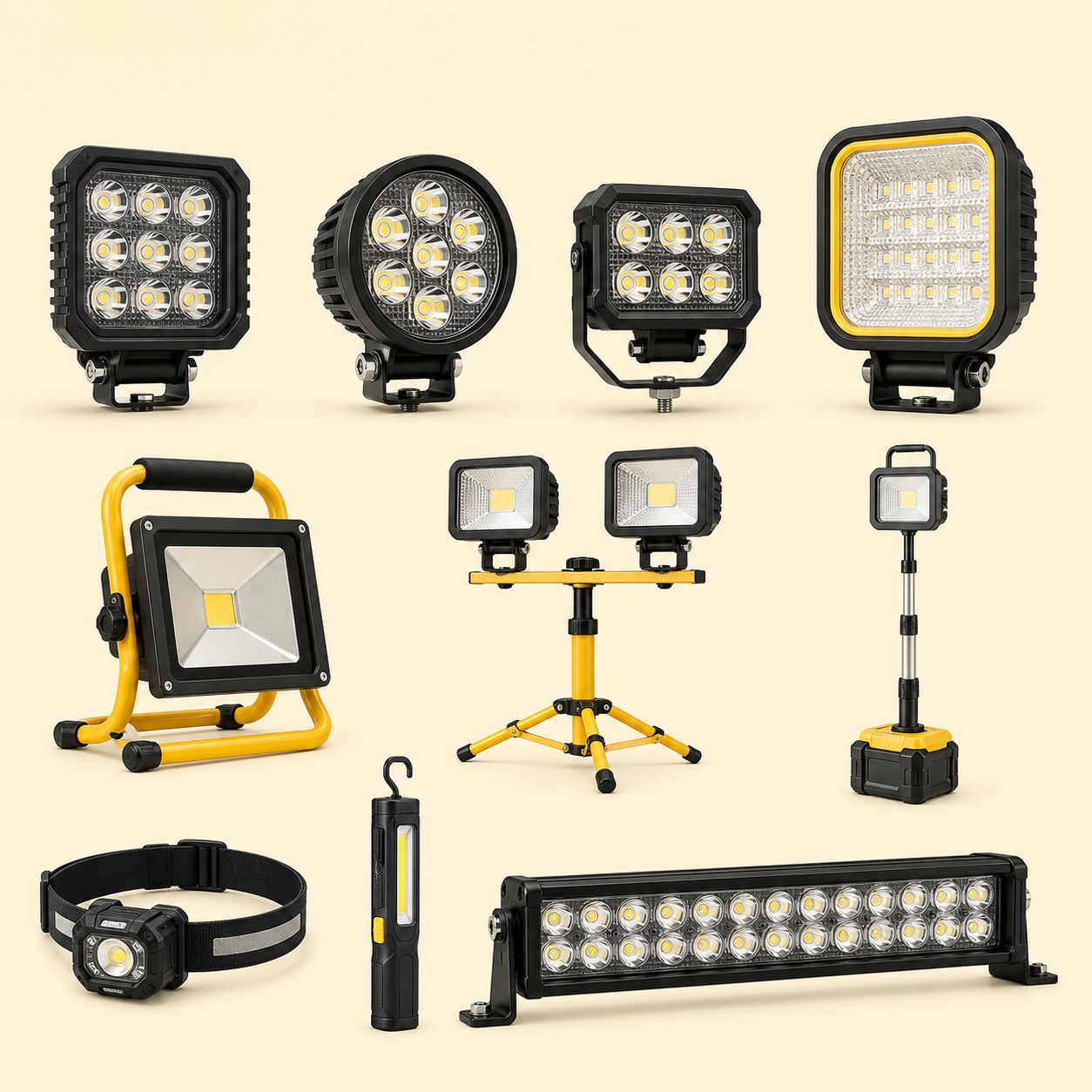
Workshop Lights
Bright and reliable workshop lights for clear illumination in garages, workshops and maintenance areas, available in various portable, rechargeable and adjustable designs for professional use.

TELL US ABOUT YOUR SOURCING NEEDS
Please fill out the form below and we will get back to you as soon as possible.