
- Home
- Products
- Car Detailing Products
- Microfiber Towels
Product Details
Product Overview
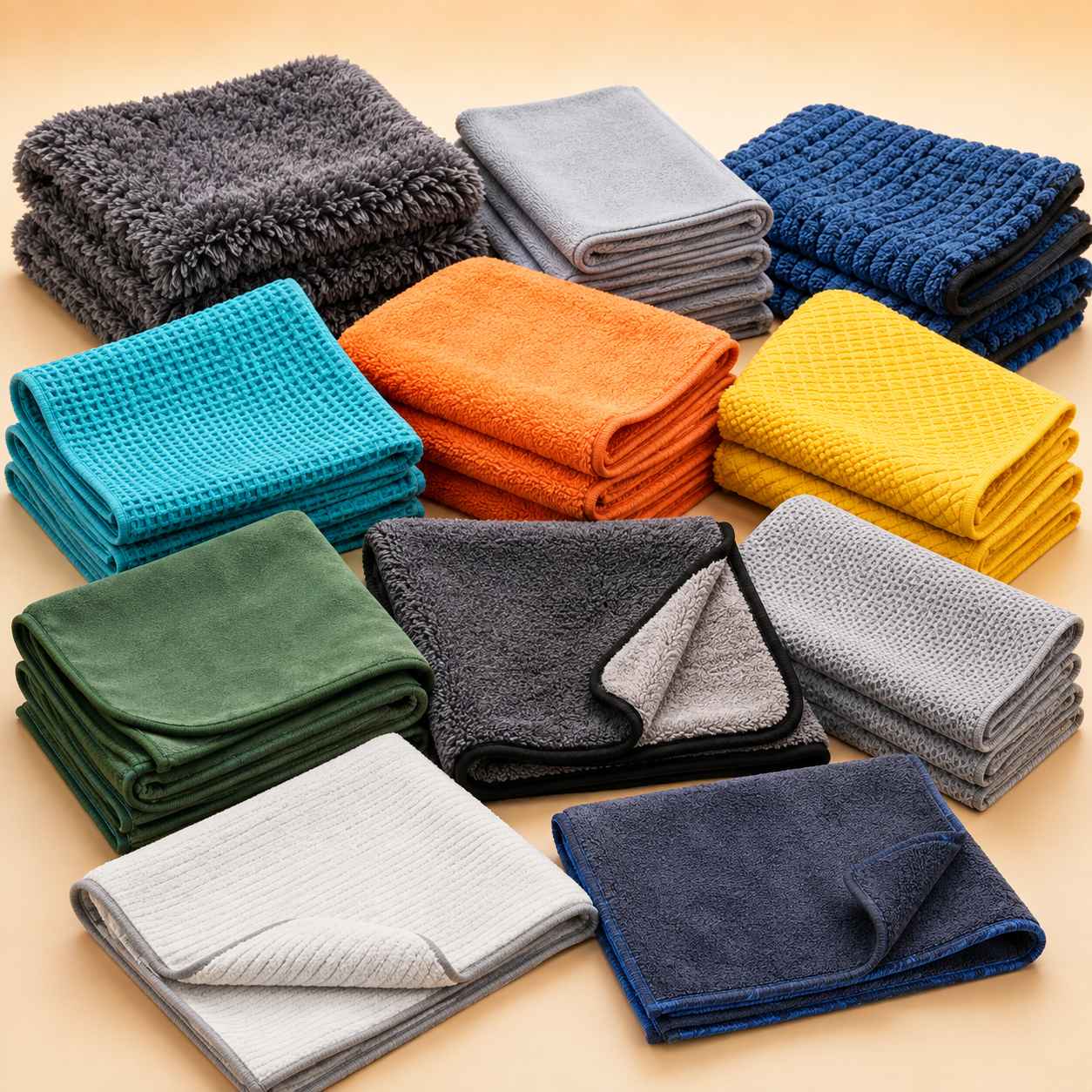
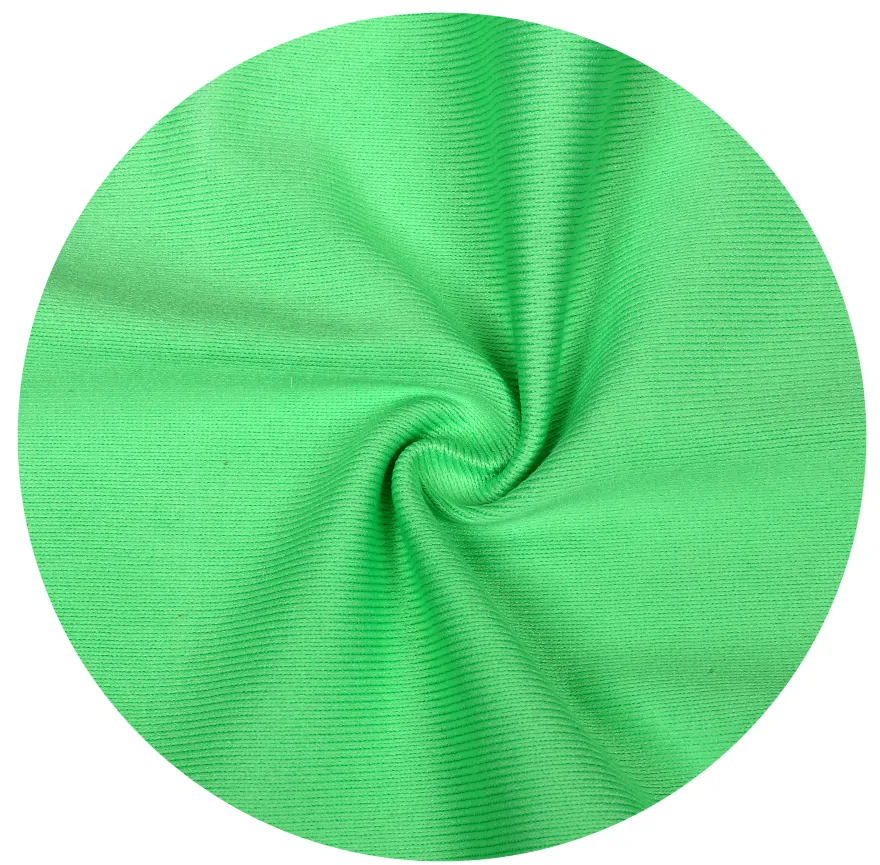
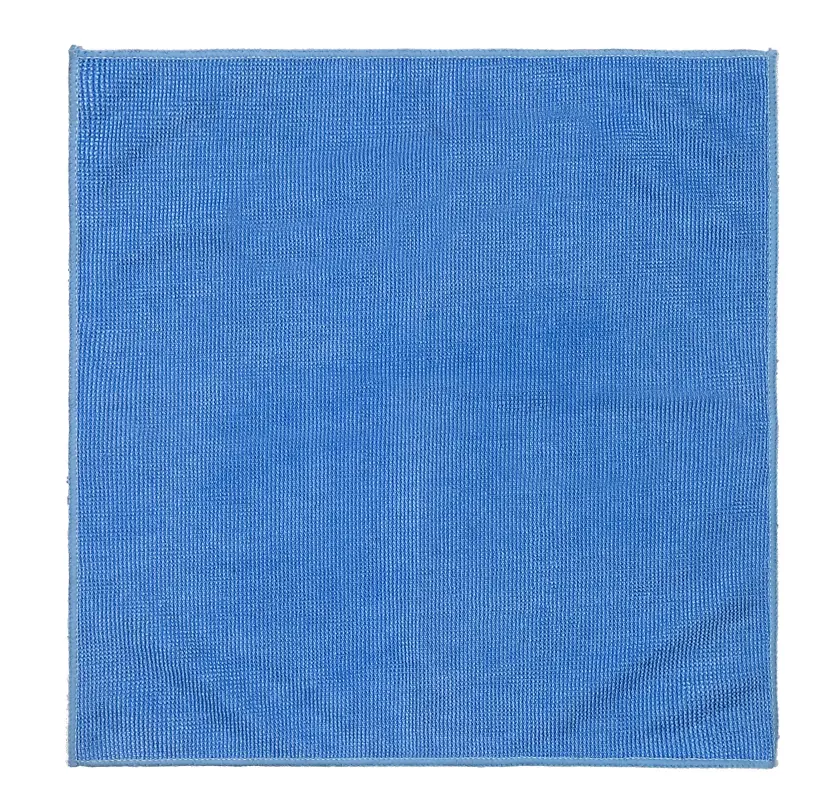
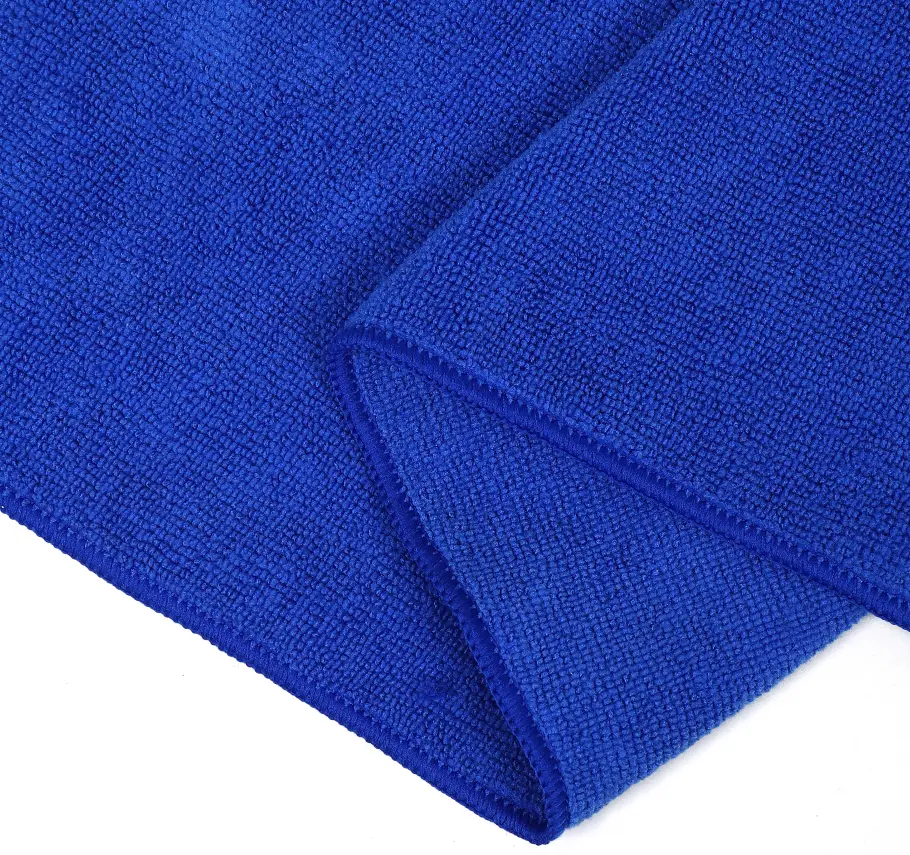
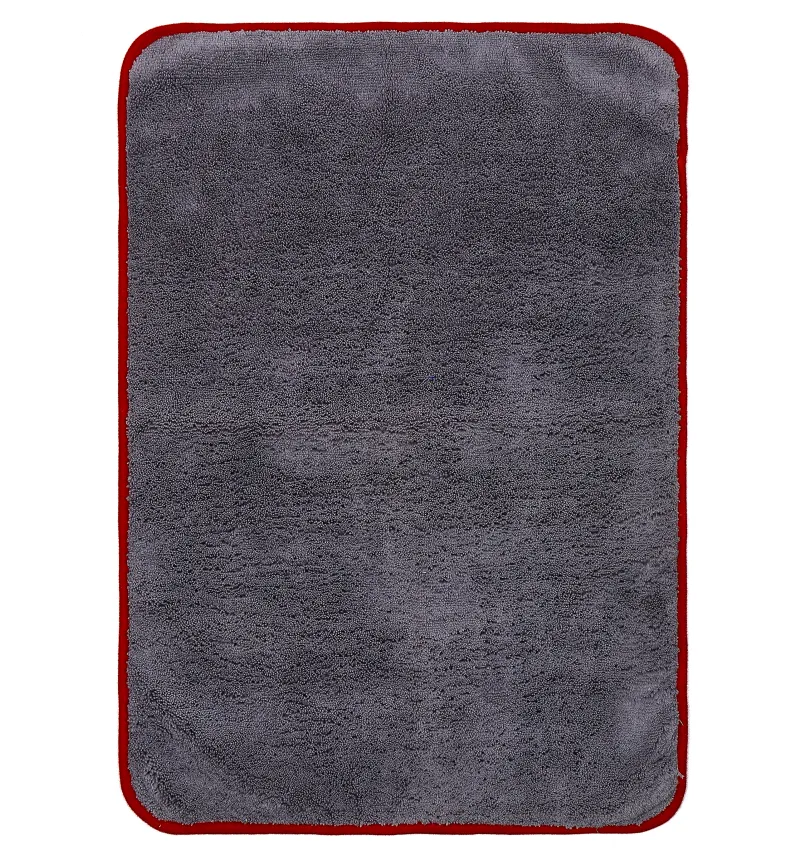
Two towels can carry the same microfiber label and still handle very differently. Short pile is often evaluated for polish removal, twisted loop for water pickup, and tight weaves for glass. The final choice still depends on the exact fabric, edge, cleaner, surface and working method.
That is why a useful product brief needs more than color and price. Buyers should define the job first, then compare GSM, fiber composition, pile or weave, size, edge construction and packaging. The approved sample should become the reference for the bulk order.
JanetSourcing supports this process as a China-based sourcing company. We help buyers compare suitable suppliers, coordinate samples and branding, document the chosen specification, arrange order-specific quality checks, and combine products from different suppliers when required. Product availability, order quantities and lead times are confirmed against the chosen construction and supplier.
Product Specifications and Customization Options
| Item | Available Details |
|---|---|
| Product type | Microfiber towels for car detailing |
| Material | 80 percent polyester and 20 percent polyamide, or customized subject to supplier confirmation |
| GSM | 200 to 1200 GSM |
| Standard sizes | 30 x 30 cm, 40 x 40 cm, 40 x 60 cm, 50 x 80 cm, or customized |
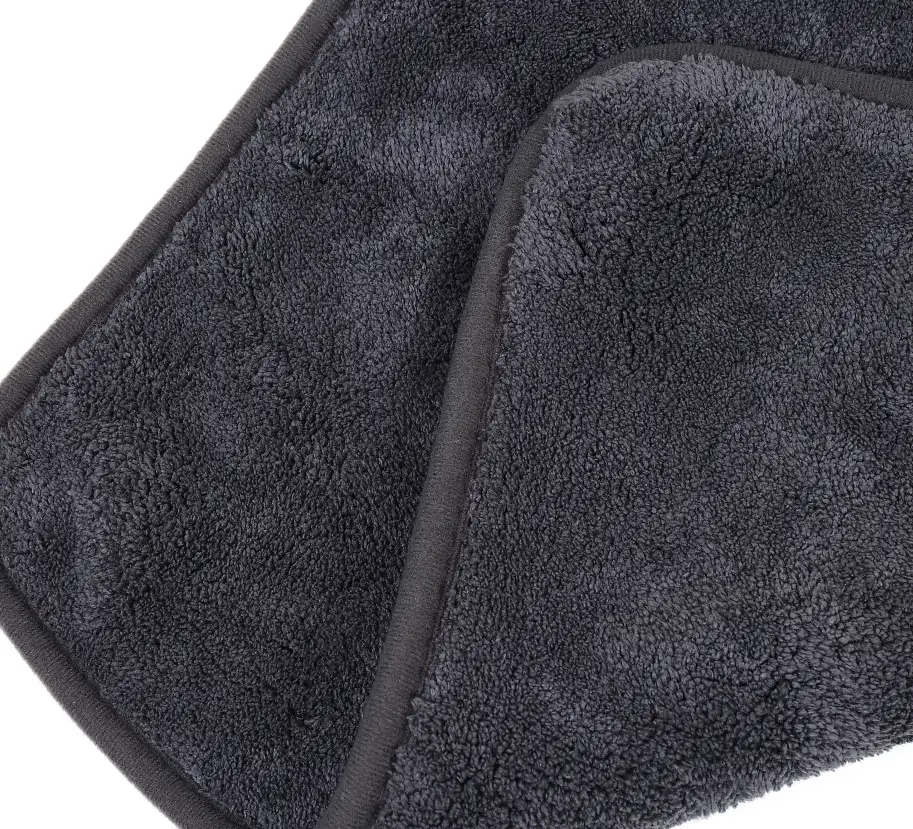
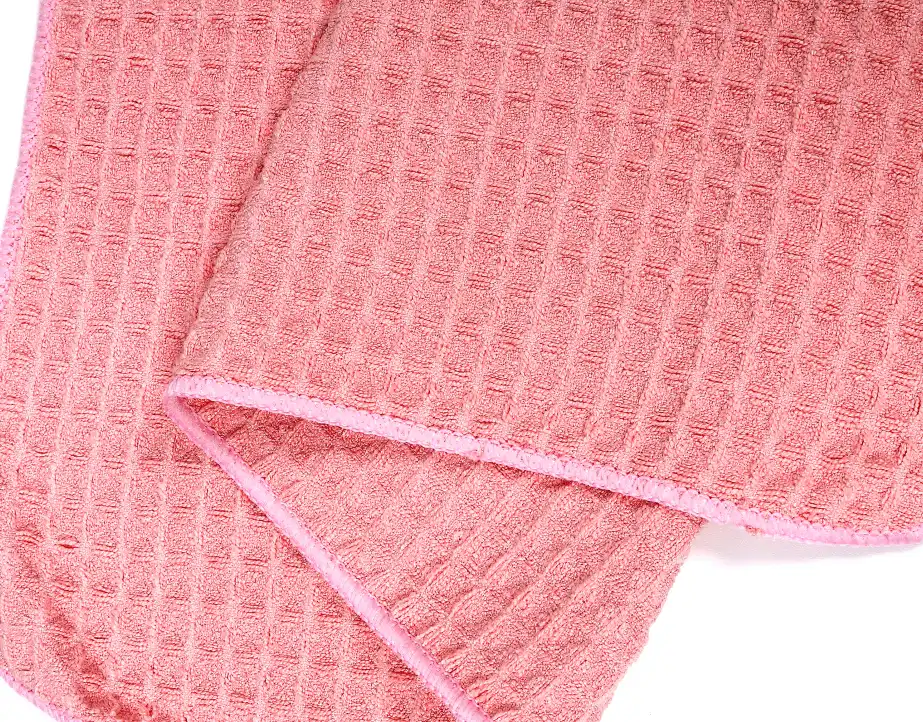
| Weave and pile | Short pile, long pile, plush, twisted loop, waffle weave and coral fleece |
| Edge options | Edgeless, ultrasonic cut, overlock and silk or satin edge |
| Colors | Standard colors or Pantone-referenced customization |
| Logo options | Embroidery, printing, woven label and laser logo, subject to product construction |
| Packaging | Polybag, paper card, color box or custom retail packaging |
| Applications | Washing, drying, polishing, waxing, glass cleaning and interior cleaning |
| OEM and private label | Available subject to supplier capability, MOQ and artwork approval |
| Samples | Available for specification and performance review |
| MOQ | Confirmed by size, GSM, color, logo, packaging and supplier |
| Lead time | Confirmed by product type, quantity, customization and packaging |
| Quotation information | Application, size, GSM, material, weave, edge, color, logo, packaging, quantity and destination |
Specifications shown on the page describe the sourcing range. The final quotation and purchase order should state the approved construction, tolerances, branding and packaging. If a performance test is required, agree on the method and acceptance limit before production.
How to Understand Microfiber Towel GSM
What GSM Measures
GSM means grams per square meter. It describes the fabric weight for one square meter of material. A 400 GSM fabric therefore has a nominal weight of about 400 grams per square meter.
Higher GSM often produces a thicker or denser towel, but GSM does not measure softness, fiber splitting, water pickup, lint release or workmanship. Those depend on the blend, weave, pile, finishing and edge construction as well.
Estimating Fabric Weight
Use this calculation for a quick cross-check.
Estimated fabric weight in grams = length in meters x width in meters x GSM
A 40 x 40 cm towel covers 0.16 square meters. The estimated fabric weights below exclude labels, edging and normal production variation.
| GSM | Towel size | Estimated fabric weight |
|---|---|---|
| 300 GSM | 40 x 40 cm | 48 g |
| 400 GSM | 40 x 40 cm | 64 g |
| 500 GSM | 40 x 40 cm | 80 g |
| 600 GSM | 40 x 40 cm | 96 g |
| 800 GSM | 40 x 40 cm | 128 g |
Finished towel weight is only an approximation of GSM because seams, labels and size tolerance affect the reading. If GSM is a critical purchase requirement, define the fabric sampling and weighing method with the supplier.
Does Higher GSM Mean Better Quality
No. Higher GSM can suit a plush buffing towel or a large drying towel, while a lower-GSM, tight-weave towel may perform better on glass. A 300 GSM short-pile towel can be more practical for polish removal than a much thicker towel. Twisted-loop construction can also change drying performance without relying on GSM alone.
For wholesale buying, compare the stated GSM with the towel’s actual dimensions and approximate fabric weight. Then test the sample for the job it is meant to do. Repeat the check when production material changes or when consistency between batches matters.
How to Choose the Right Microfiber Towel
| Detailing application | Suggested GSM reference | Construction to evaluate | What to test |
|---|---|---|---|
| General cleaning | 250 to 400 GSM | Short pile or all purpose | Handling, cleaning, lint and wash durability |
| Interior detailing | 250 to 400 GSM | Short pile | Surface compatibility, lint and ease of use |
| Wax and polish removal | 300 to 450 GSM | Short pile or dual pile | Residue pickup, pile consistency and edge softness |
| Vehicle drying | 500 to 1200 GSM | Twisted loop, plush or waffle weave | Water pickup, wet handling, softness and drying efficiency |
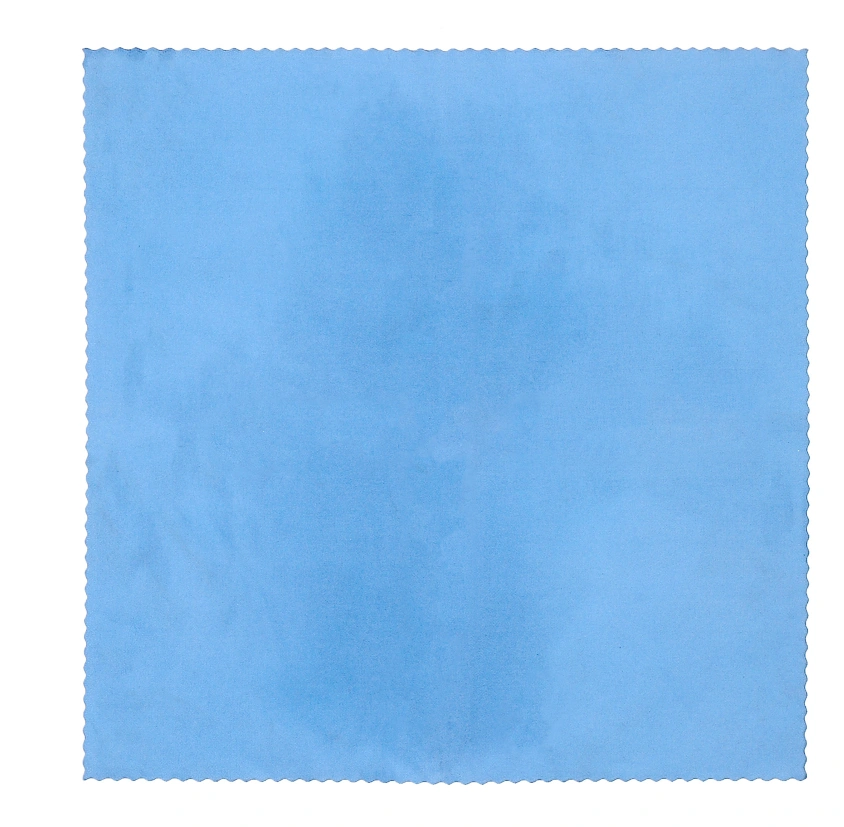
| Glass and mirrors | 200 to 350 GSM | Tight weave or waffle weave | Lint, streaking and handling |
| Paintwork buffing | 350 to 600 GSM | Plush, long pile or edgeless | Softness, lint and compatibility with finishing products |
| Coating leveling | 250 to 400 GSM | Short pile and low lint | Controlled wipe, lint and coating compatibility |
These ranges are sourcing references, not industry standards. Fiber composition, pile construction and finishing can change how two towels with the same GSM behave. Sample testing should settle the choice.
For a first comparison, define the application and select two or three constructions that fit it. Use the same cleaner, coating or polish on the same type of surface. Record water pickup, lint, streaking, residue removal and handling. That simple side-by-side test gives the supplier a much clearer target than a request for a high-quality towel.
What B2B Buyers Should Confirm Before Ordering
Start with a sample that matches the intended construction, not just the nearest available color or GSM. Measure its finished size and approximate fabric weight, then record the blend, weave or pile, edge, label position and packaging. If GSM is critical, state the tolerance and measurement method because a finished-towel weight check is only an approximation of fabric GSM.
Common market blends include 80 percent polyester with 20 percent polyamide and 70 percent polyester with 30 percent polyamide. The 70/30 blend is market context, not a guaranteed JanetSourcing option, and a higher polyamide share does not by itself prove better performance. The selected supplier should confirm the offered composition and any material documentation needed for the target market.
| Purchase detail | Decision to record |
|---|---|
| Intended use | Drying, polish removal, glass, interior, coating work or general cleaning |
| Physical specification | Finished size and tolerance, GSM and test method, blend, pile or weave, and edge finish |
| Performance test | Water pickup and wet handling; lint and streaking; residue removal; or another task-specific method |
| Appearance | Standard or Pantone-referenced color, acceptable variation, workmanship and label placement |
| Branding and pack | Logo method and position, label copy, barcode, pack count, packaging material and carton marks |
| Commercial terms | Quantity by variation, MOQ, sample cost, production schedule, Incoterm and destination |
| Order control | Approved sample, written comments, inspection scope, sampling level and acceptance limits |
Performance testing should resemble customer use. A drying sample can be evaluated for water pickup, wet handling and drying speed; a glass sample for lint and streaking; and a polish-removal sample for residue pickup and surface contact. Use the same cleaner or finishing product on the same surface, and keep the method with the approved sample so production material can be reviewed on the same basis.
Edges and finishing deserve their own inspection. Look for rough seams, loose threads, visible fabric defects, inconsistent pile and misplaced labels. Wash the sample according to the proposed care instructions and review color bleeding, shrinkage, texture, lint, absorbency and seam condition. If repeat-wash performance matters, define the number of cycles and the acceptance method before production.
Private-label orders also need approved artwork and a representative packed sample. MOQ may change by color, logo method, size and packaging type, so quantities should be confirmed for each variation rather than treated as one total. The approved sample is the benchmark for the order, while the purchase order and inspection checklist define what will be measured before shipment.
From Towel Brief to Shipment
Build a shortlist around the actual job. Send the application, target size and GSM range, preferred construction, quantity, market and packaging plan. JanetSourcing can approach suitable suppliers and compare offers against the same brief. This keeps price comparisons meaningful when two towels look similar but use different fabric, weight, edges or pack formats.
Approve the construction you will order. We coordinate samples for the shortlisted options so the buyer can review dimensions, approximate weight, appearance, edges and task-specific performance. Written comments and the approved sample then become practical production references.
Lock private-label details before production. Colors, logo method, label position, packaging artwork, pack count and carton requirements are confirmed with the selected supplier. Available choices remain subject to construction, MOQ, artwork approval and production capability.
Check the order and prepare shipment. Inspection scope, sampling level, test methods and acceptance limits are set for each order. Selected units can be reviewed against the purchase order and approved sample for dimensions, appearance, stitching, color, labeling, packaging and quantity. When towels are sourced with polishing pads, brushes or other detailing accessories, JanetSourcing can also coordinate receiving, labeling, repacking and consolidation at its Yiwu warehouse within the agreed service scope.
Learn more about product and supplier sourcing, sample and product development, quality control and inspection, warehousing and consolidation, and shipping and export coordination.
Care and Handling Guidance
- Wash new microfiber towels separately before first use to remove loose fibers or production residue.
- Assign different towel types or colors to drying, paint, glass, interiors and dirty areas.
- Check every towel for sand, grit and hardened product before it touches a vehicle.
- Wipe with light pressure and follow the cleaning, polish or coating supplier’s instructions.
- Wash microfiber separately from cotton and other lint-producing fabrics.
- Avoid fabric softener and bleach unless the towel supplier’s care instructions allow them.
- Air dry or use low-temperature tumble drying. High heat can affect the fibers.
- Store clean, dry towels in a closed, dust-free area.
Frequently Asked Questions
What GSM microfiber towels can be sourced?
The current sourcing range covers approximately 200 to 1200 GSM. The right GSM depends on the towel’s job and construction. Glass and polish-removal towels are often lighter than plush or twisted-loop drying towels.
Can size, color, logo and packaging be customized?
Yes, subject to supplier capability, MOQ and artwork approval. Available options may include custom dimensions, standard or Pantone-referenced colors, embroidery, printing, woven labels and retail packaging.
Can several towel types be ordered together?
JanetSourcing can help coordinate multiple GSMs, sizes, colors and constructions and discuss consolidation with other products. Each supplier’s MOQ and packaging conditions still need confirmation.
How can buyers evaluate quality before a bulk order?
Request samples that match the target specification. Check dimensions, approximate fabric weight, edges, workmanship and performance in the intended application. Record the approved result so production units can be compared against it.
What information is needed for a quotation?
Send the application, size, GSM, construction or sample reference, material preference, edge, color, logo, packaging, quantity and destination. Photos or a physical reference sample can make supplier comparison more accurate.
Send Your Microfiber Towel Requirements
Tell us how the towel will be used and what your market expects. Include the size, GSM or sample reference, construction, color, quantity, logo, packaging and destination. JanetSourcing will help compare suitable sourcing options and confirm the next sample or quotation step.
PRODUCTS
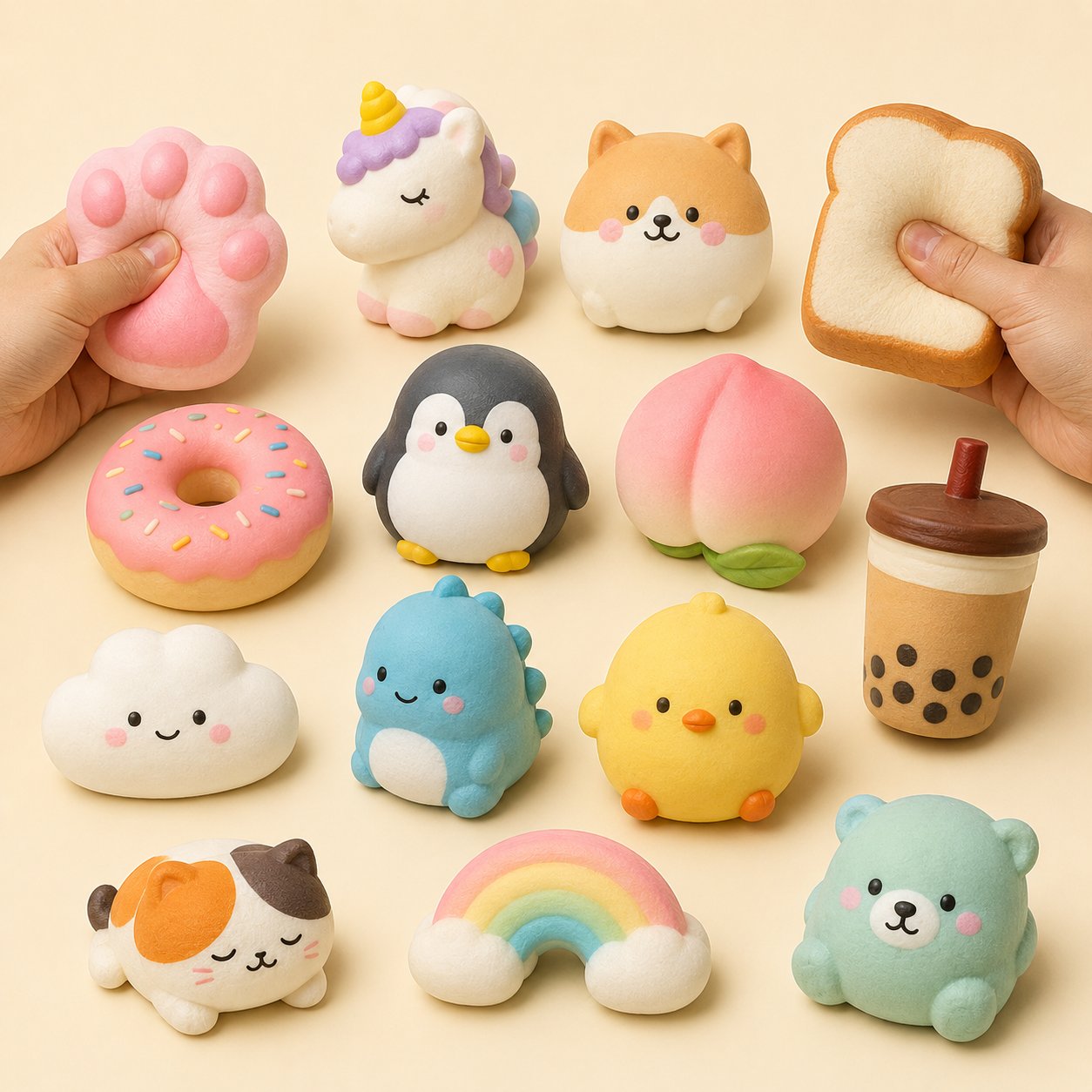
Squishy Toys
Soft and fun squishy toys designed for squeezing, stress relief and sensory play, available in various cute shapes, sizes, colors and designs for toy, gift and novelty markets.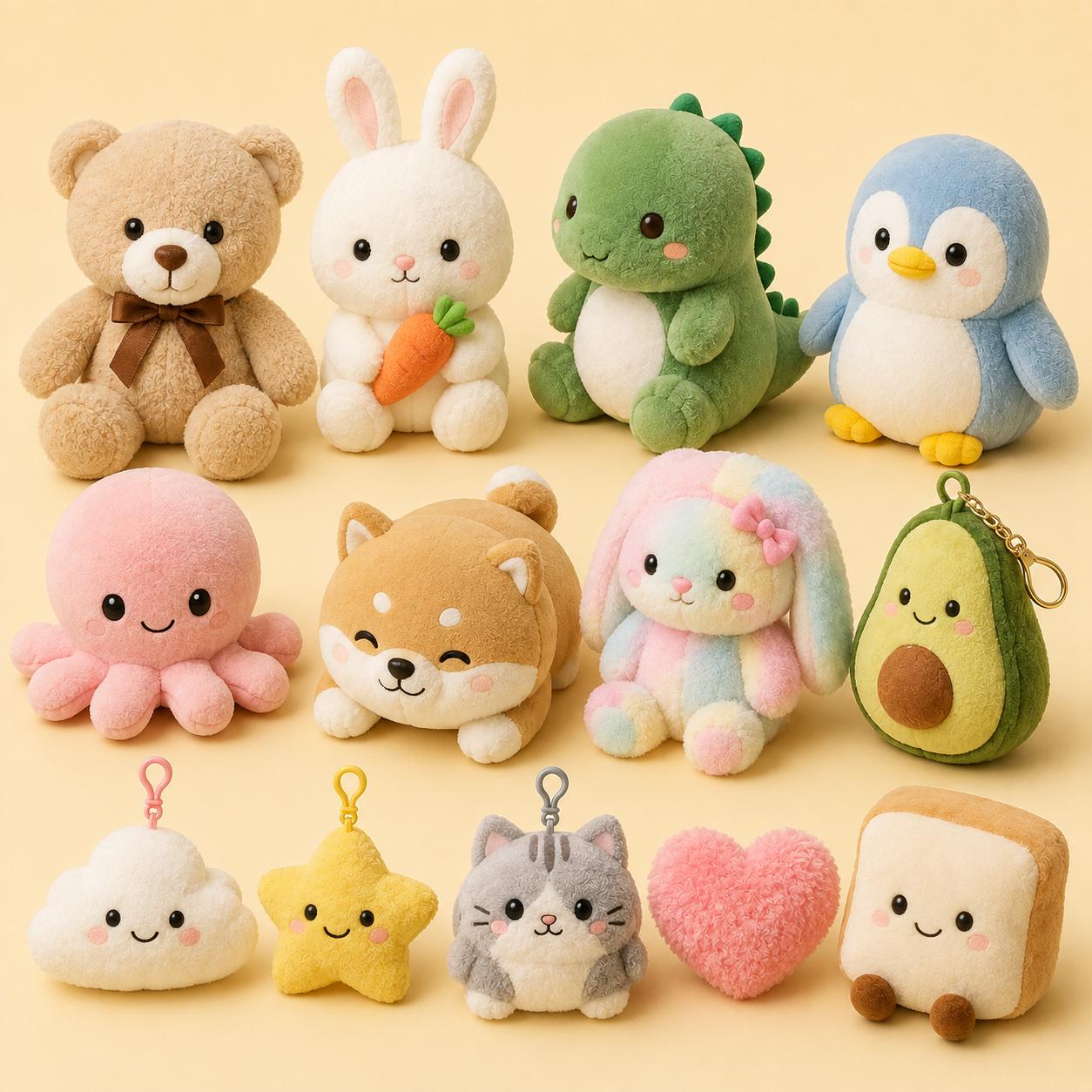
Plush & Soft Toys
Soft and cuddly plush toys designed for play, comfort, decoration and gifting, available in various animals, characters, sizes, fabrics and designs for toy, gift and promotional markets.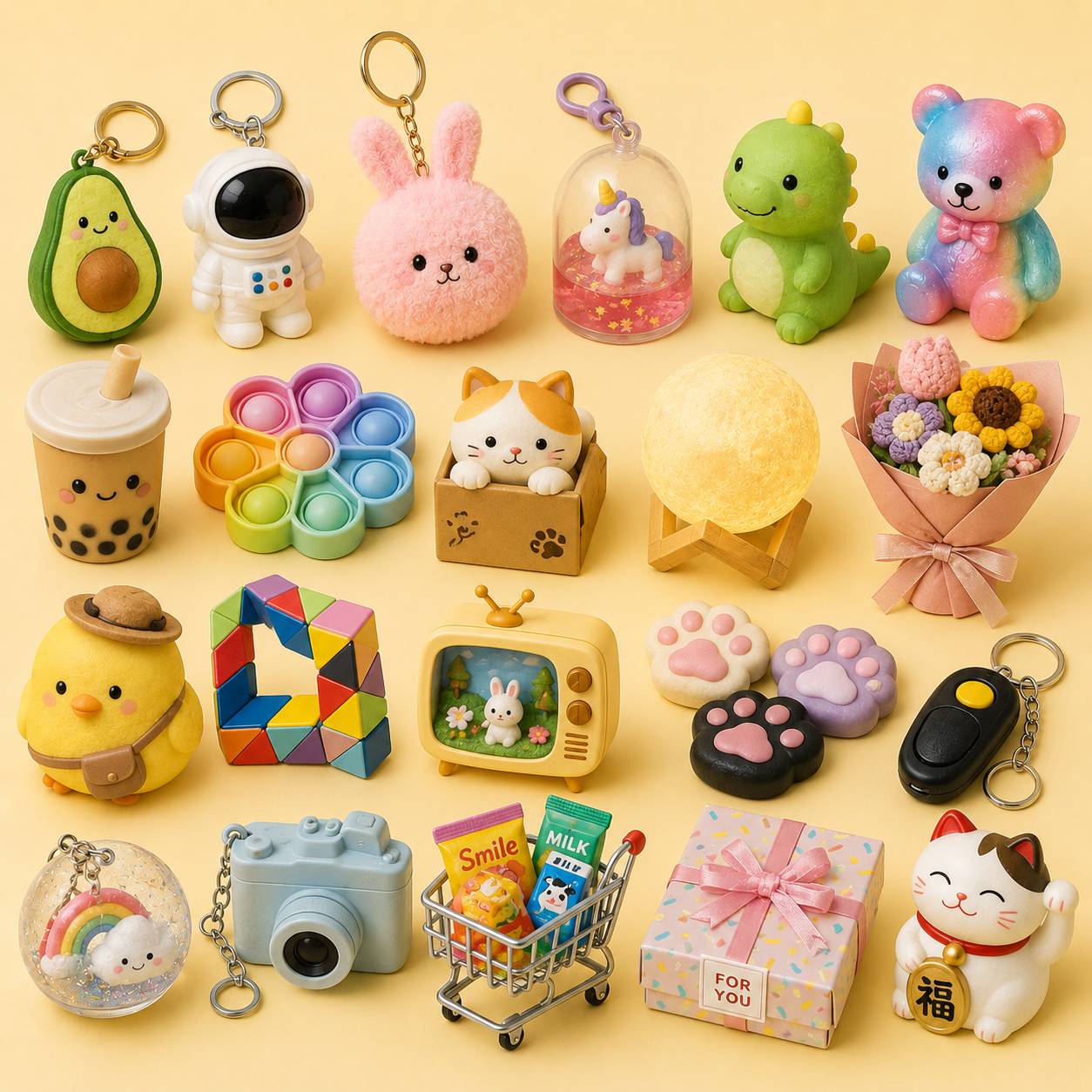
Novelty & Gift Items
Creative and eye-catching novelty and gift items designed for gifting, entertainment, decoration and impulse purchases, available in various fun, practical and trendy designs for gift, retail and promotional markets.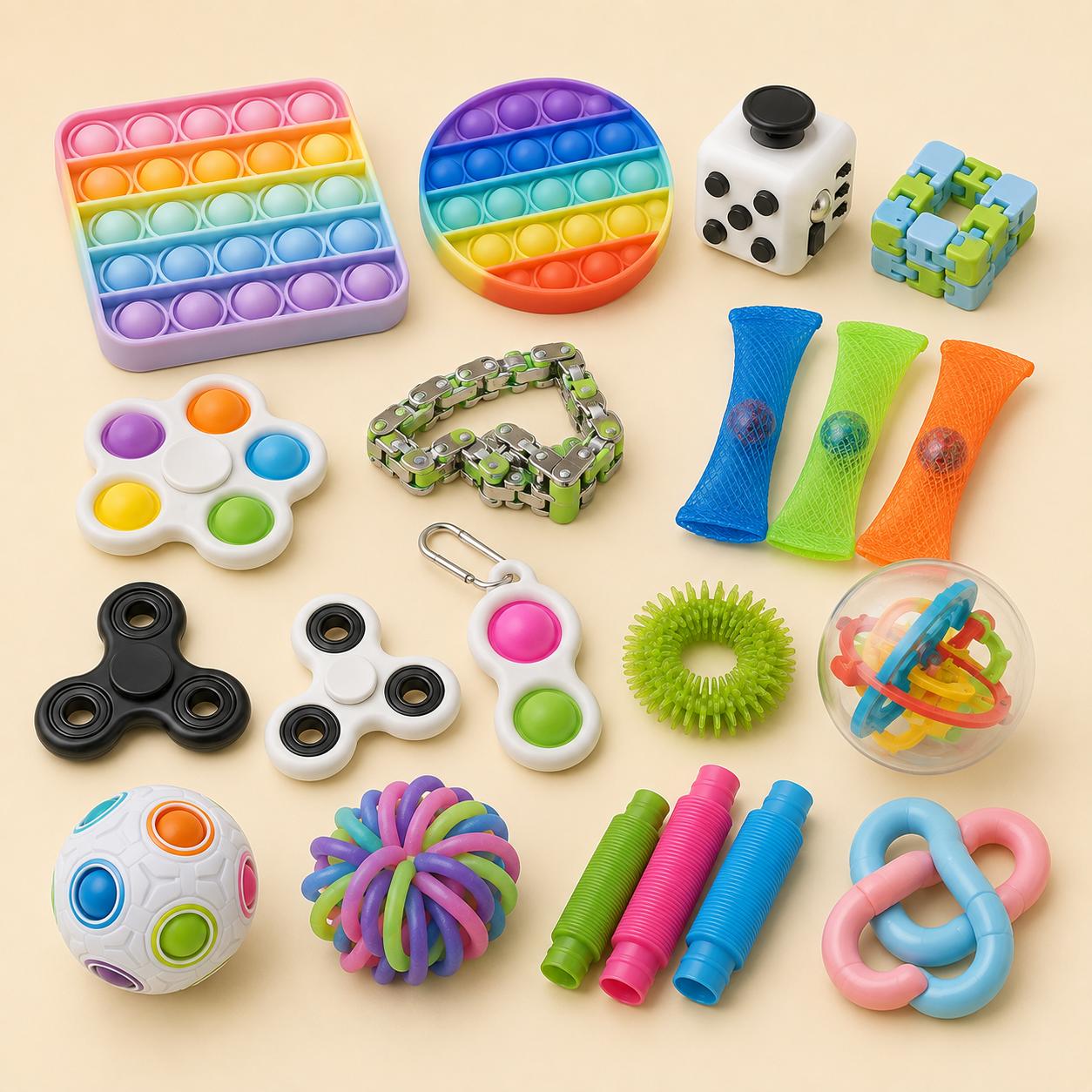
Fidget & Sensory Toys
Fun and engaging fidget and sensory toys designed for stress relief, sensory stimulation and interactive play, available in various shapes, materials, colors and designs for toy, gift and educational markets.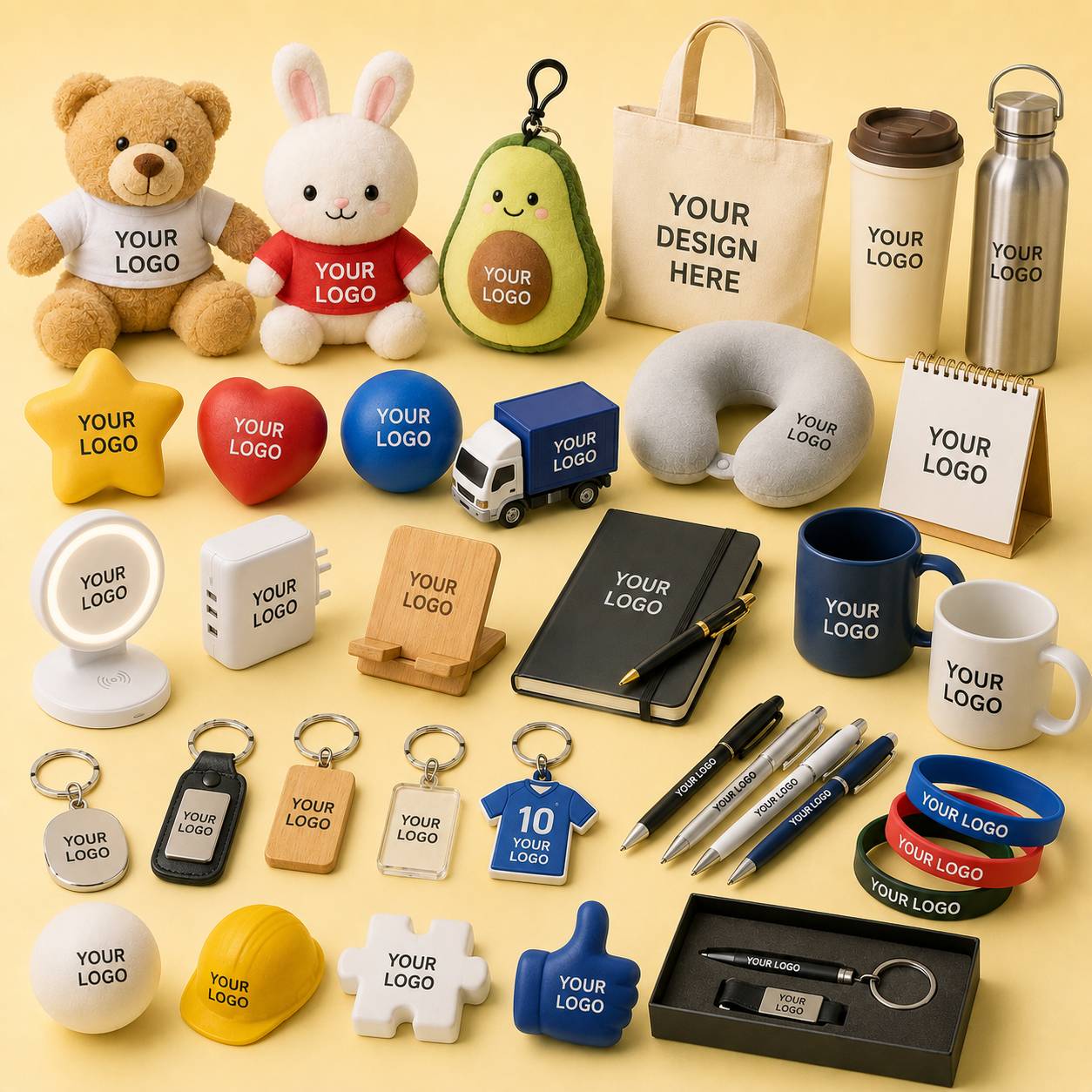
Custom & Promotional Gifts
Customized gift and promotional products designed for brand promotion, corporate events, marketing campaigns and special occasions, with flexible options for custom logos, colors, designs, packaging and private-label solutions.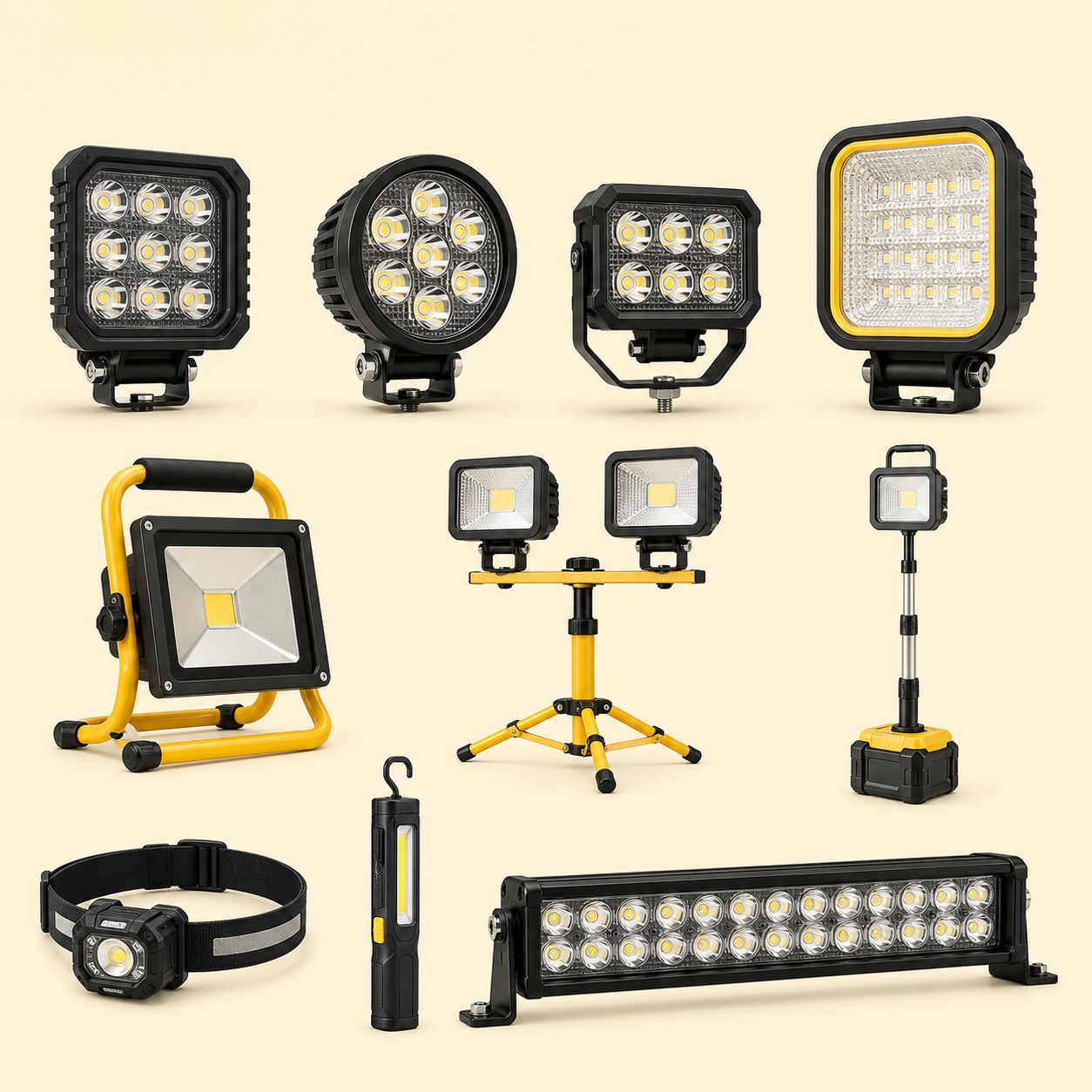
Workshop Lights
Bright and reliable workshop lights for clear illumination in garages, workshops and maintenance areas, available in various portable, rechargeable and adjustable designs for professional use.

TELL US ABOUT YOUR SOURCING NEEDS
Please fill out the form below and we will get back to you as soon as possible.